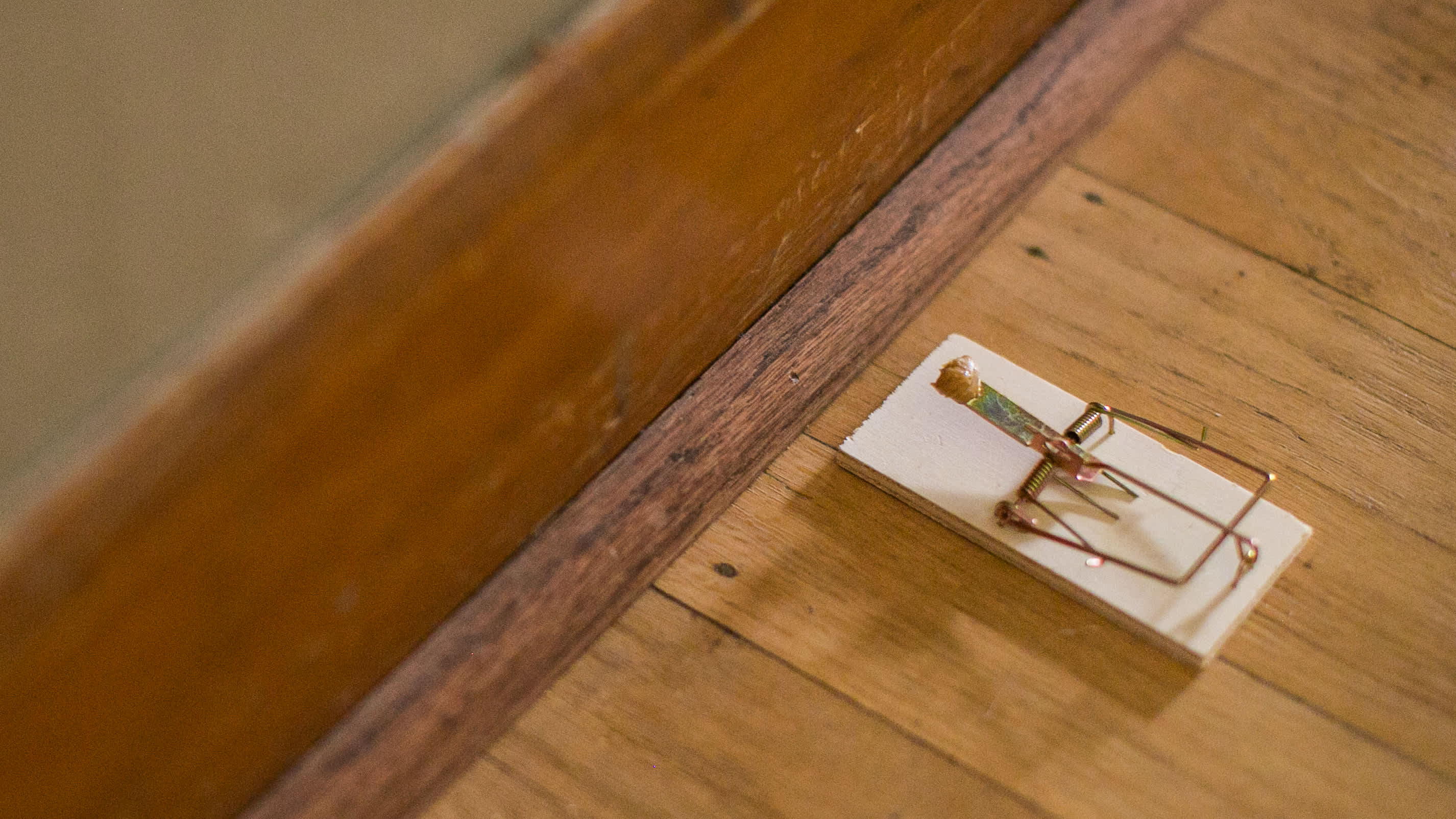
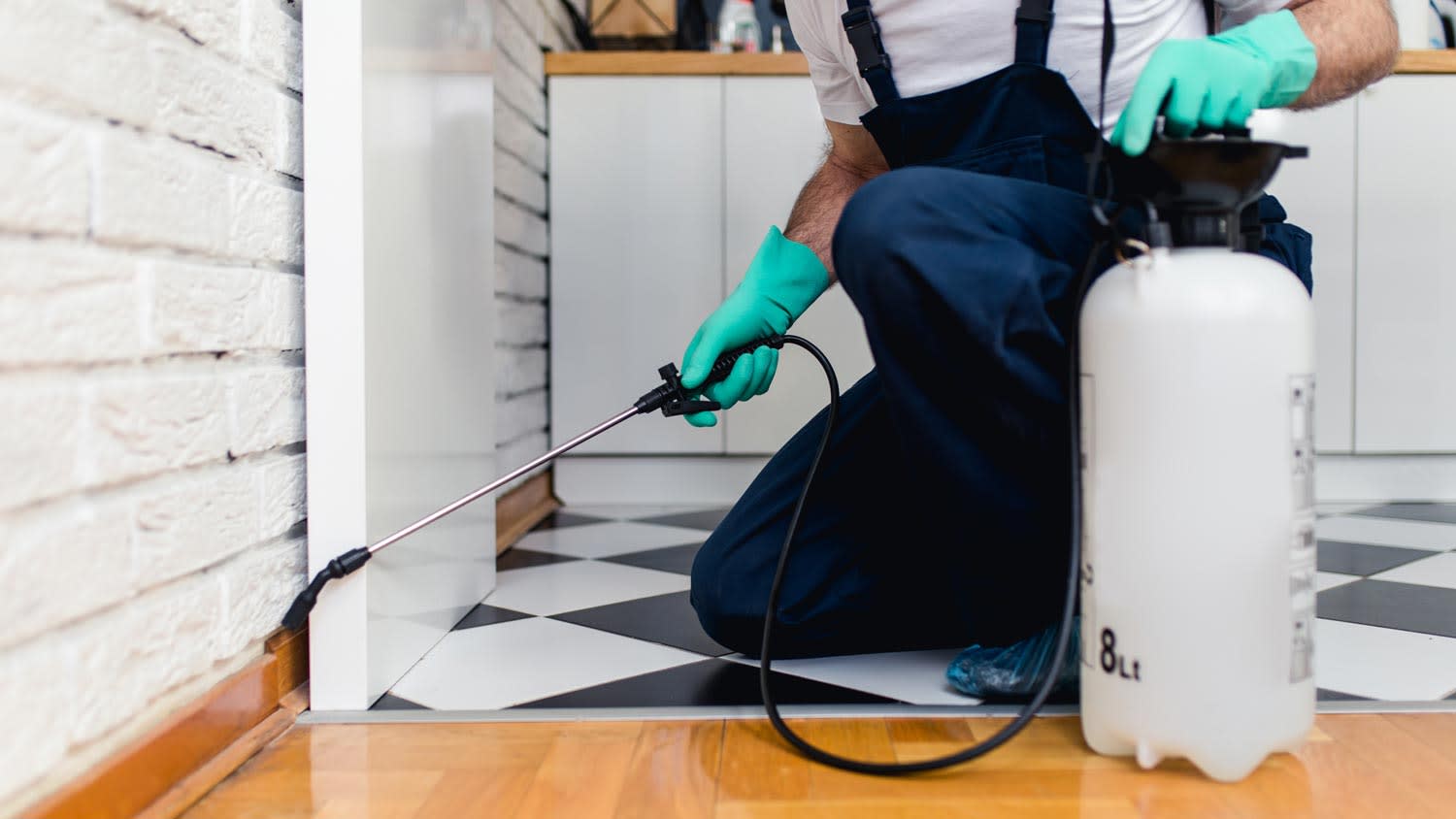
Land Shark Services, LLC works around your busy schedule by offering 24/7 pest control services. Based in Williston, ND, we also do duct cleaning services.
"I have a contract with them so I have to use them again. It pays for itself eventually if you get good repair people. You don't control who they send."
When baiting an iguana trap, several items should be avoided. Do not use poisonous baits, such as those intended for rats or mice. This practice is often illegal, is unlikely to attract iguanas, and poses a significant risk to pets or other wildlife. Additionally, avoid using herbs, fruits, and vegetables that are toxic to iguanas, such as fresh sage, rosemary, avocados, and eggplants. While ripe fruit can be an effective bait, be sure to remove any pits or seeds from fruits like apples, pears, and peaches, as they are highly toxic. Finally, steer clear of citrus fruits, which act as a natural deterrent.
Some of the plants listed above, like daffodils, are poisonous to many animals if eaten. But wild animals instinctively avoid them, for the most part. Household pets don’t always have the same survival instinct, which is why it’s a good idea to familiarize yourself with common plants that pose a danger to cats and dogs.
Termites are most active and cause the most damage during the spring and summer, as warm temperatures and increased moisture accelerate their activity. This is also when swarming typically occurs, allowing colonies to expand. However, termites remain active year-round, especially in warmer climates or heated homes. Once a colony is established, it can continue to damage wood 365 days a year, even during cold weather.
Deer rely on scent to tell them what’s safe and unsafe, so effective deer repellents have to be pungent. Make your own natural repellent by combining a beaten egg, one tablespoon of cooking oil, one tablespoon of dish soap, and a half cup of milk. Pour it into a spray bottle and spray around your garden, avoiding anything you will want to eat later. This stinky repellent will ward off any deer that want to make your produce their next meal. But keep in mind that if your windows are nearby, the scent may waft over.
If you’re wondering whether silverfish can fly, they can’t—they don’t have wings. Instead, they wriggle their bodies and move quickly in a fish-like motion, hence their name. Despite their speed, they are limited to crawling along floors, walls, and ceilings. Silverfish are known for their agility and ability to hide in small cracks and crevices, but they cannot jump or fly.
The Lakota, ND homeowners’ guide to pest control services
From average costs to expert advice, get all the answers you need to get your job done.