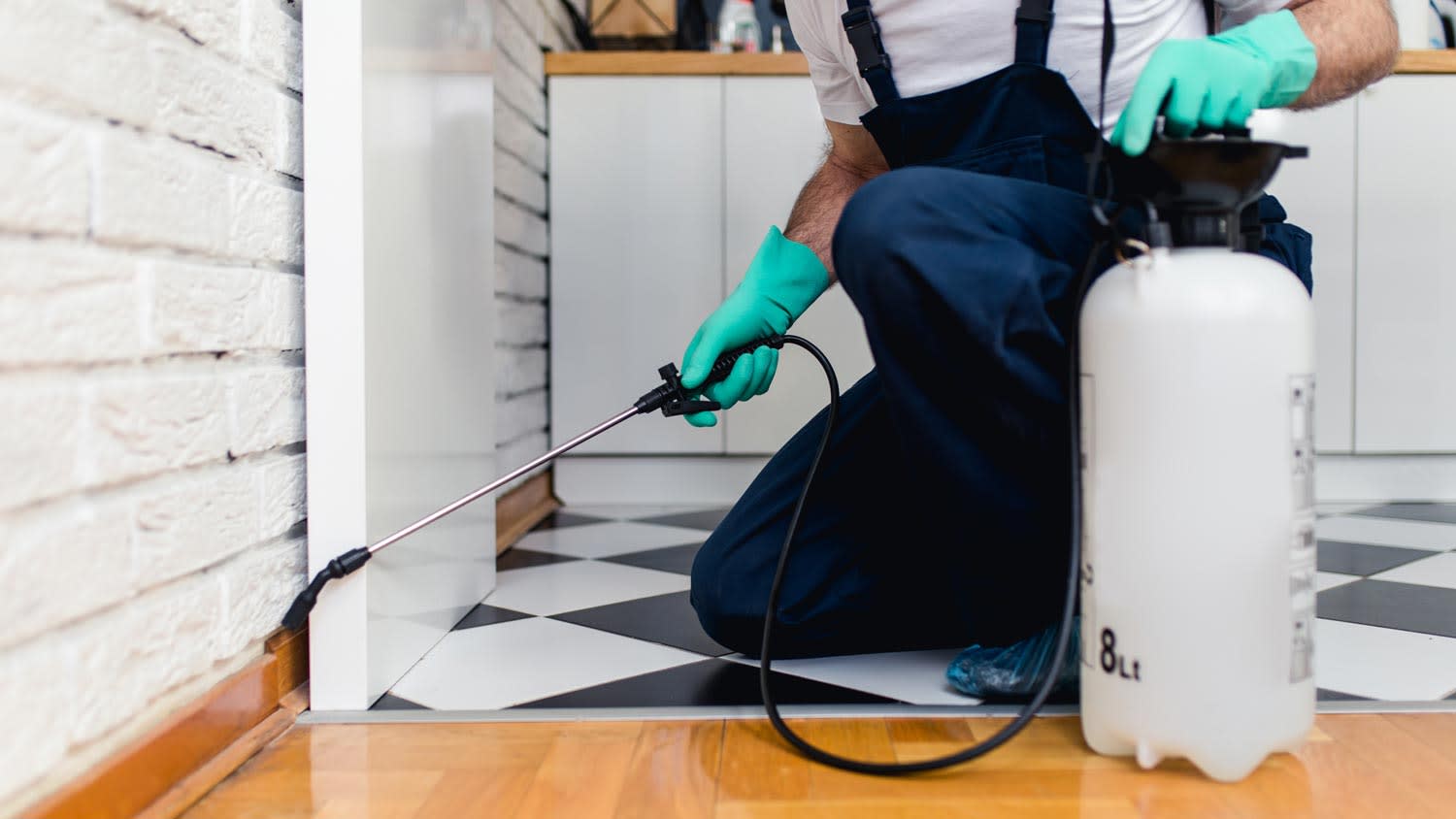








Top-rated pest control specialists.

Get matched with top pest control specialists in Hatton, ND

Enter your zip and get matched with up to 5 pros

Need a pro for your pest control project in Hatton, ND?

Select your specific project to find the pro for you.

Find Pest control specialists in Hatton

[email protected]
New to Angi
Pest Control - Bugs and InsectsPest Control - Bugs and Insects - For BusinessPest Control - Rodents+1 more

Serving Hatton, ND and surrounding areas

In business since 2020

Free estimates

Credit card accepted

We take great pride in our experience, expertise, quality, and customer service that we provide to meet the consumer’s needs. It is our mission to provide excellent workmanship and complete customer satisfaction from start to completion of a project. In order to understand the needs and expectations of our customers, we take great care to work and communicate with every customer in a professional manner. Our reputation is based on service, safety, and quality, regardless of how large or small the job.

Pest Control questions, answered by experts

When you spray a roach, the chemicals, usually a mix of neurotoxins like pyrethroids or pyrethrins, start affecting its nervous system almost immediately. It disrupts the roach’s nerve signals, causing paralysis and eventually death. You'll often see the roach twitch, flip over on its back, and stop moving within seconds to minutes.

Spiders have lots of scent-sensitive hairs on their legs. Scented oils they aren’t fans of can act as a natural spider repellent to help keep their populations at bay when you rub them around your home’s entry points. Studies suggest mint and chestnut oils are two scents that spiders hate.

Skunks are nocturnal creatures, meaning they are primarily active at night, particularly around dusk and dawn. Their activity levels increase as the weather warms up, and they are generally dormant or inactive during the winter. Skunks are especially active during the spring months when they are foraging for fresh food and seeking mates. While they are typically not seen during the day, daytime activity is possible if a skunk is having trouble finding food, has babies to care for, or is severely ill.

Treating a property for ticks costs between $50 and $150 on average. This preventative measure may be necessary if you live in an area with high tick presence or suspect a tick infestation on your property. Prices will vary based on your landscape, the size of the treatment area, and the severity of the infestation. 

Humans attract fleas with their body heat, the carbon dioxide (CO2) they exhale, body odors, and movement. Fleas love hiding in warm, dark places like hair and scalps, armpits, and groin areas. Fleas prefer to feed on pets and wildlife, but they do bite humans when other warm-blooded mammals aren’t available.

The Hatton, ND homeowners’ guide to pest control services

From average costs to expert advice, get all the answers you need to get your job done.