"I only use James when I need some work done to my house. He responds fast, gets the work done quicker than just about anyone else I've ever used and seems very concerned with leaving his customers happy."
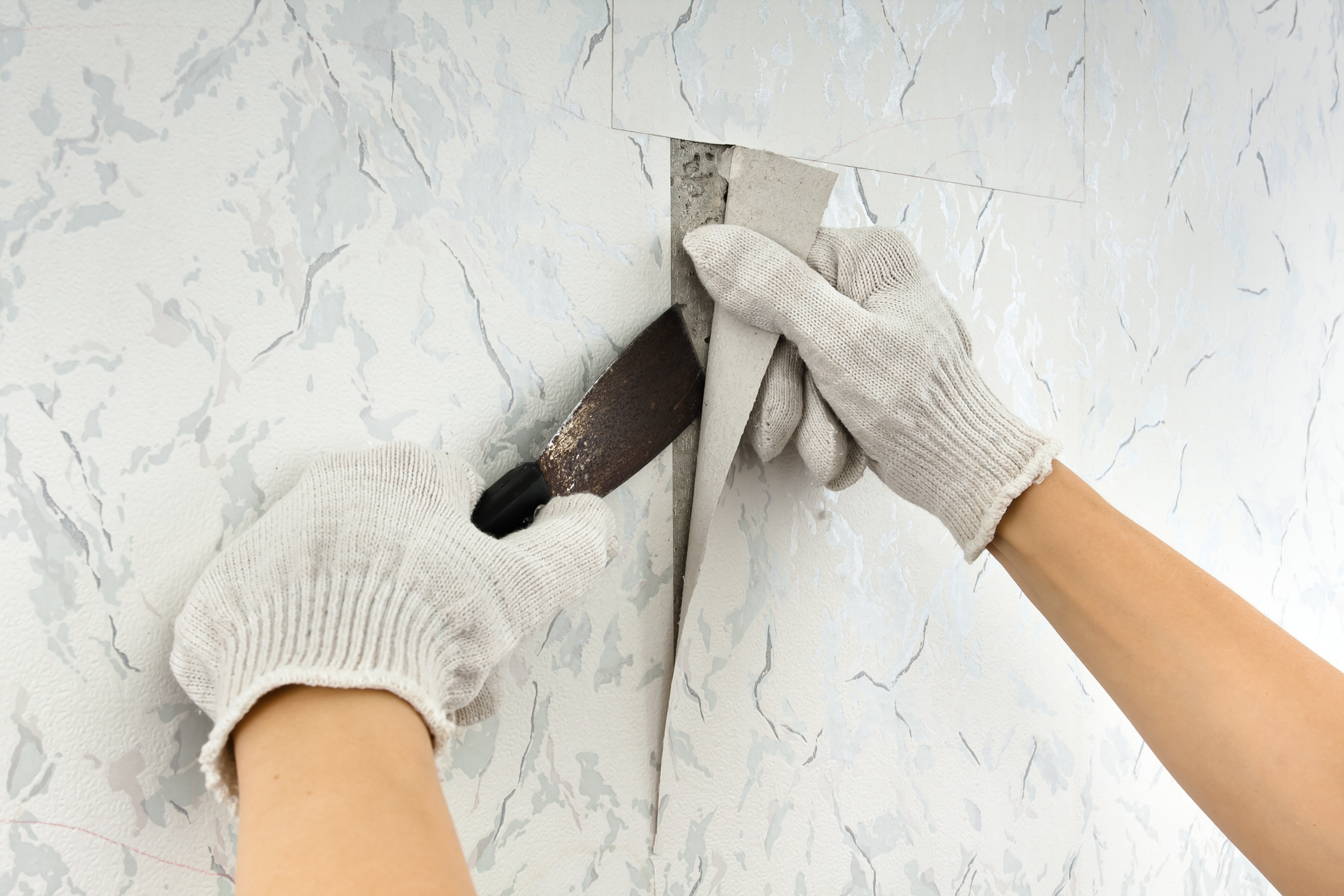
While you can remove wallpaper yourself, it is a labor-intensive process that risks damaging your walls. Common DIY methods include using a steamer to loosen the adhesive or spraying the paper with a solution of hot water and vinegar or dish soap before scraping. However, steamers can cause irreparable damage if used incorrectly, and the spray-and-scrape method can harm drywall if it gets too wet or you scrape too aggressively. For these reasons, hiring a professional is often the fastest, easiest, and safest option. A pro has the experience and specialized tools to remove wallpaper efficiently without damaging the underlying surface, which saves time and minimizes the prep work needed for your next wall treatment.
If you’re installing new wallpaper and have leftover glue, you can remove unused wallpaper paste from the bucket or pan it’s in by letting it dry. If it’s an oil-based paste, seal it in a plastic bag and throw it in the garbage. Otherwise, toss the leftover wallpaper paste in the trash. Although it’s water-soluble, don’t rinse unused wallpaper paste down the sink because it could dry in the pipes and cause a blockage.
While many types of peel-and-stick wallpaper can be used in bathrooms, they may not adhere as well in humid environments as traditional wallpaper. For best results, choose a vinyl or polyester-based wallpaper, as these materials are more durable and water-resistant. Good ventilation is also crucial to reduce humidity from steamy showers. In bathrooms with high moisture and inadequate ventilation, even high-quality peel-and-stick wallpaper is likely to peel over time.
Using a fabric softener solution is a popular and low-cost DIY method for removing wallpaper, but its effectiveness is limited. While it may work on some types of wallpaper, it is unlikely to be successful on vintage styles, and there is no evidence that it is more effective than other removal methods. There are also several potential downsides: the solution can leave behind a residue that may damage your walls or interfere with the adhesion of new wallpaper. Additionally, this method can create a strong, overpowering aroma that takes a long time to dissipate, making it a poor choice for homeowners sensitive to smells.
Yes, many types of peel-and-stick wallpaper can be used in bathrooms, especially those made of vinyl or polyester. However, its success depends heavily on the level of moisture and ventilation. In bathrooms with good ventilation, such as those with fans, it can be a durable option. Peel-and-stick wallpaper may not adhere as well as traditional wallpaper in very humid conditions. For bathrooms that see a lot of moisture, like a kids' bathroom or a full bath with a steamy shower and poor ventilation, even high-quality peel-and-stick wallpaper is likely to peel over time.
The Hebron, ND homeowners’ guide to wallpaper removal services
From average costs to expert advice, get all the answers you need to get your job done.
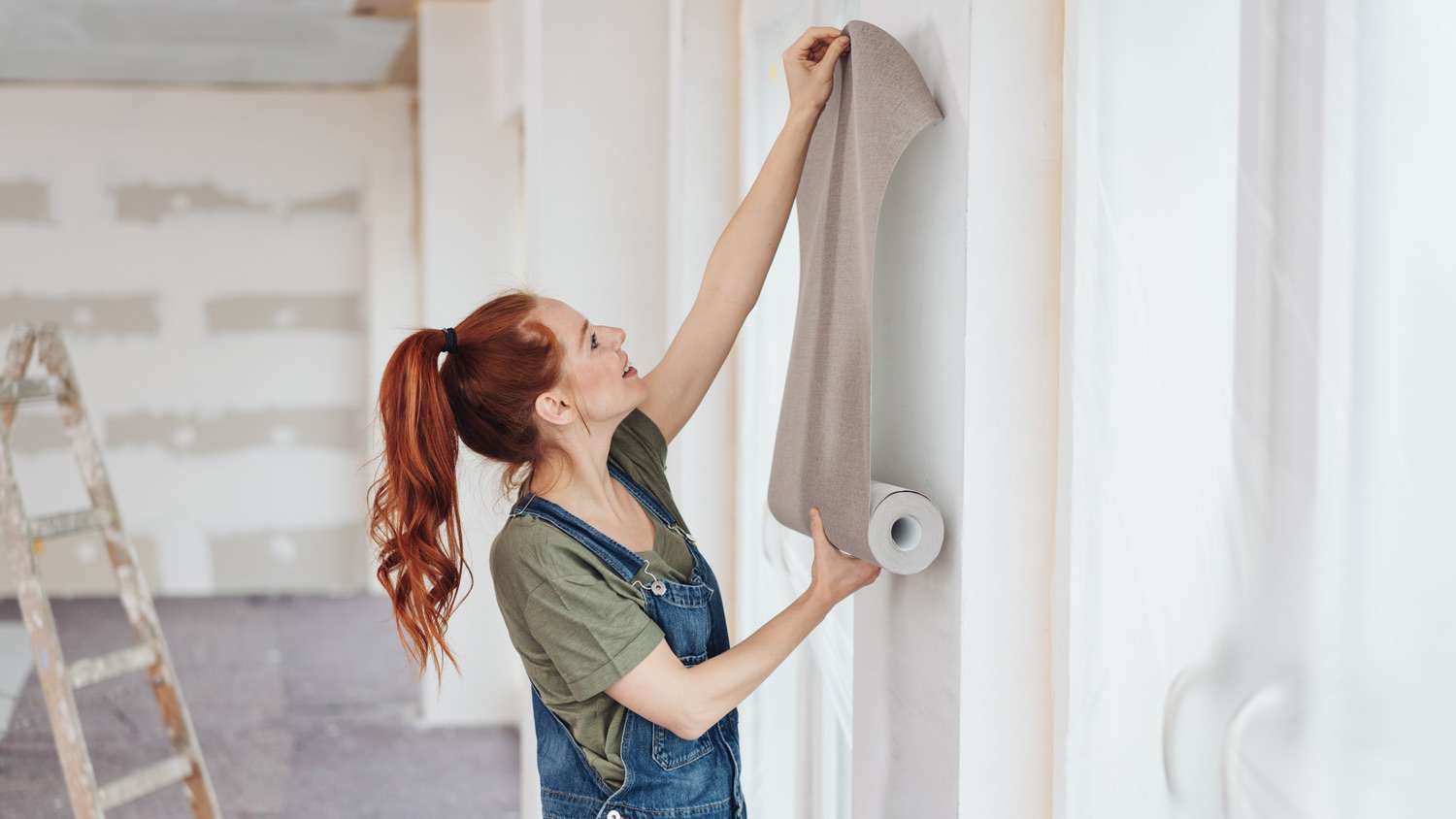
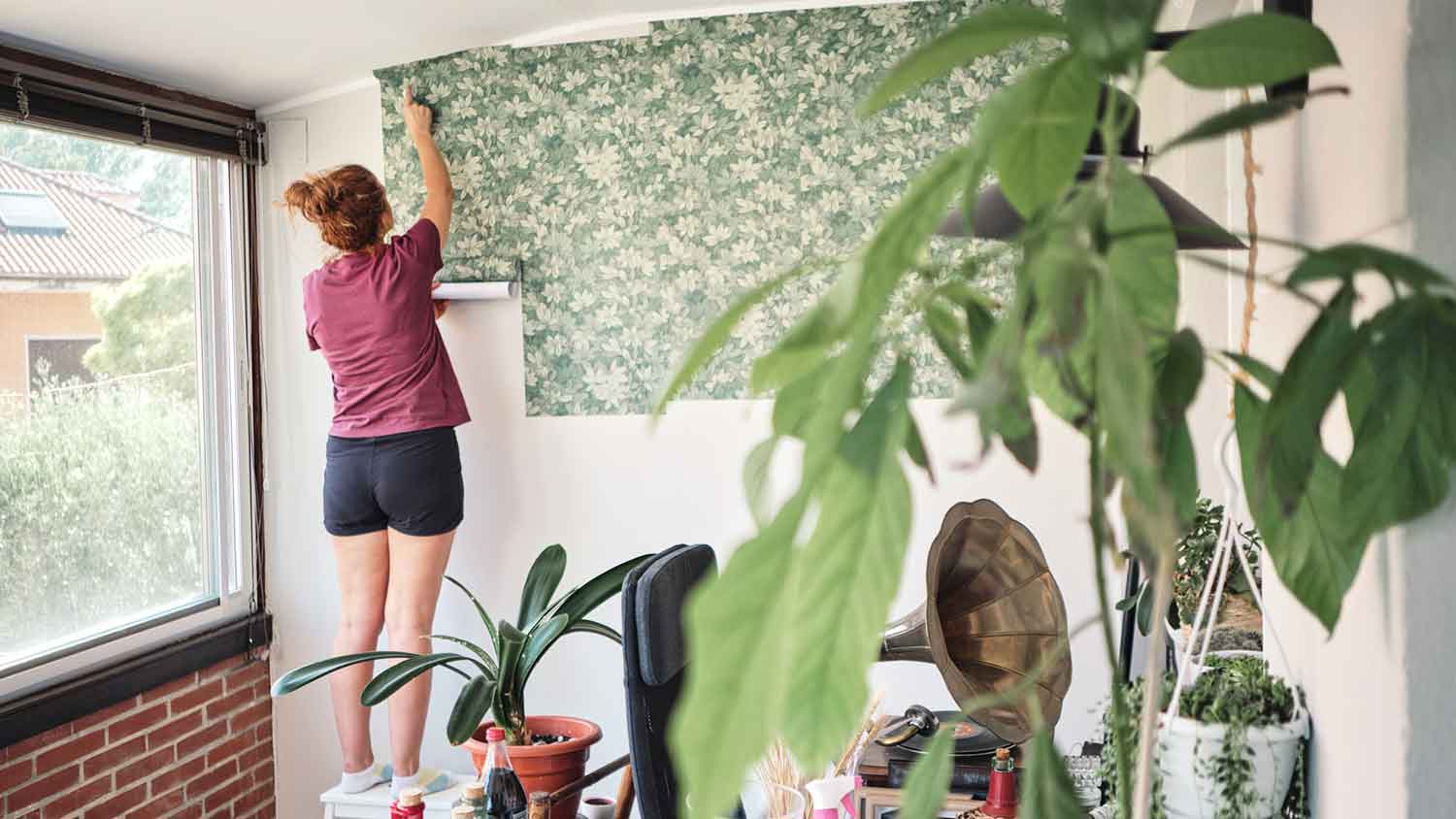
Discover wallpaper installation cost. Learn about material, labor, and project factors to estimate your budget and make informed choices for your home.
Taking down wallpaper is a tedious and time-consuming job. Here are some tips on how to hire someone to remove wallpaper for you to make your life easier.
Wallpaper removal requires physical labor and can be a sticky mess. Consider these tips on the best ways to remove wallpaper to make the process as smooth as possible.