"I only use James when I need some work done to my house. He responds fast, gets the work done quicker than just about anyone else I've ever used and seems very concerned with leaving his customers happy."
While textured walls can elevate a space in many ways, there are a couple of downsides to consider. Namely, they’re hard to clean, and some textures fall out of fashion quickly. Make sure to consider all your options to find one you truly love before diving in.
As long as the surface you’re putting the tile on is properly prepped, peel-and-stick backsplashes should stay on and last anywhere from 3 to 5 years. The best way to ensure the tile stays on is to sand down and clean the wall before applying your design.
Most jobs take 1-3 days, depending on room size and adhesive strength.
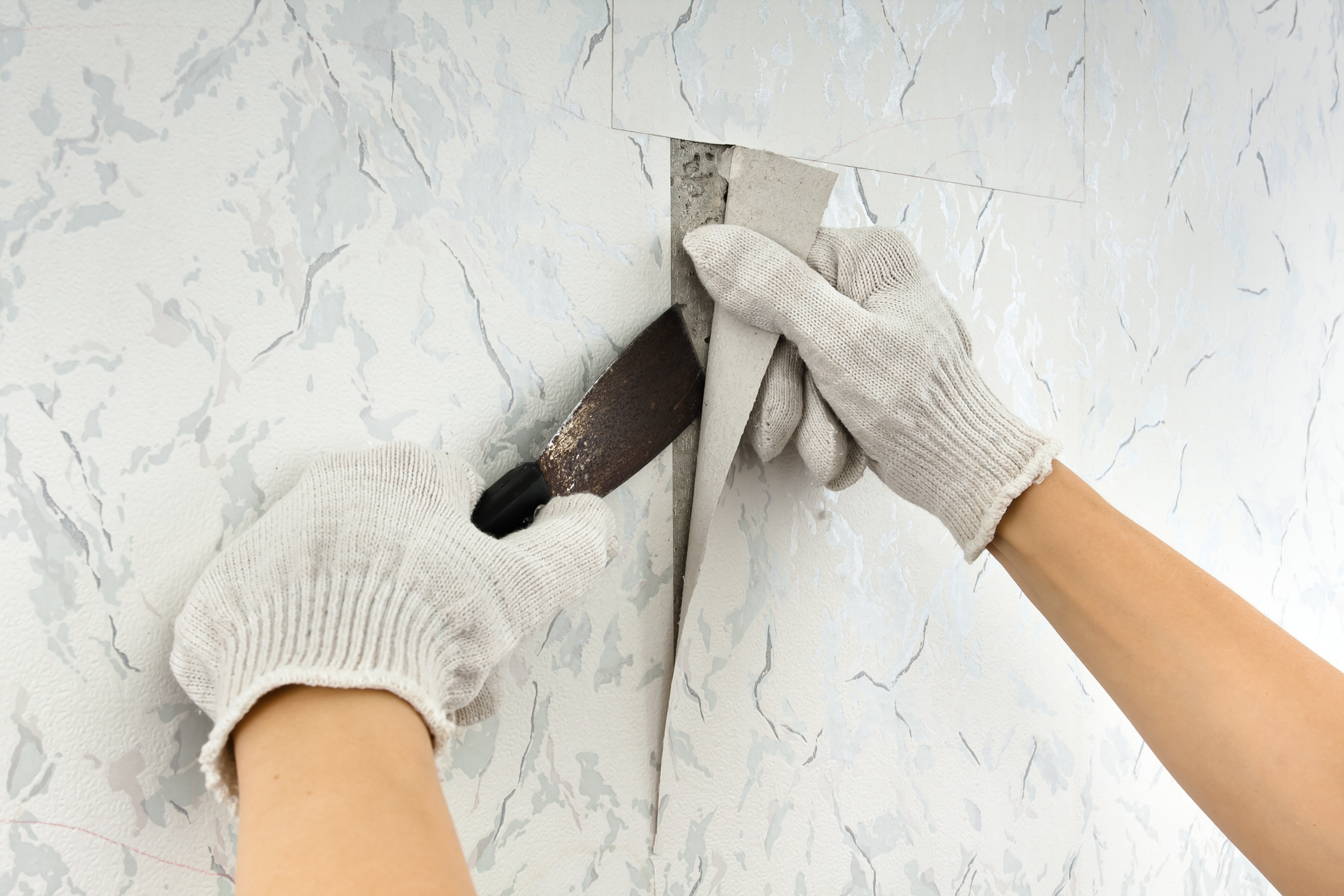
Rubbing alcohol may help dissolve stubborn wallpaper adhesive that remains after removal, but be sure to apply it carefully to prevent damaging your walls. Apply a small amount using a cotton swab or pad, then gently scrape or wipe the adhesive away.
You may end up with extra wallpaper once your project is finished. Hang on to that wallpaper, as you may need to use it to patch up areas that get damaged later on. If you have a lot of excess wallpaper, try getting creative with it. You can use it to line the inside of a cabinet or drawers, for example.
The Lemmon, SD homeowners’ guide to wallpaper removal services
From average costs to expert advice, get all the answers you need to get your job done.
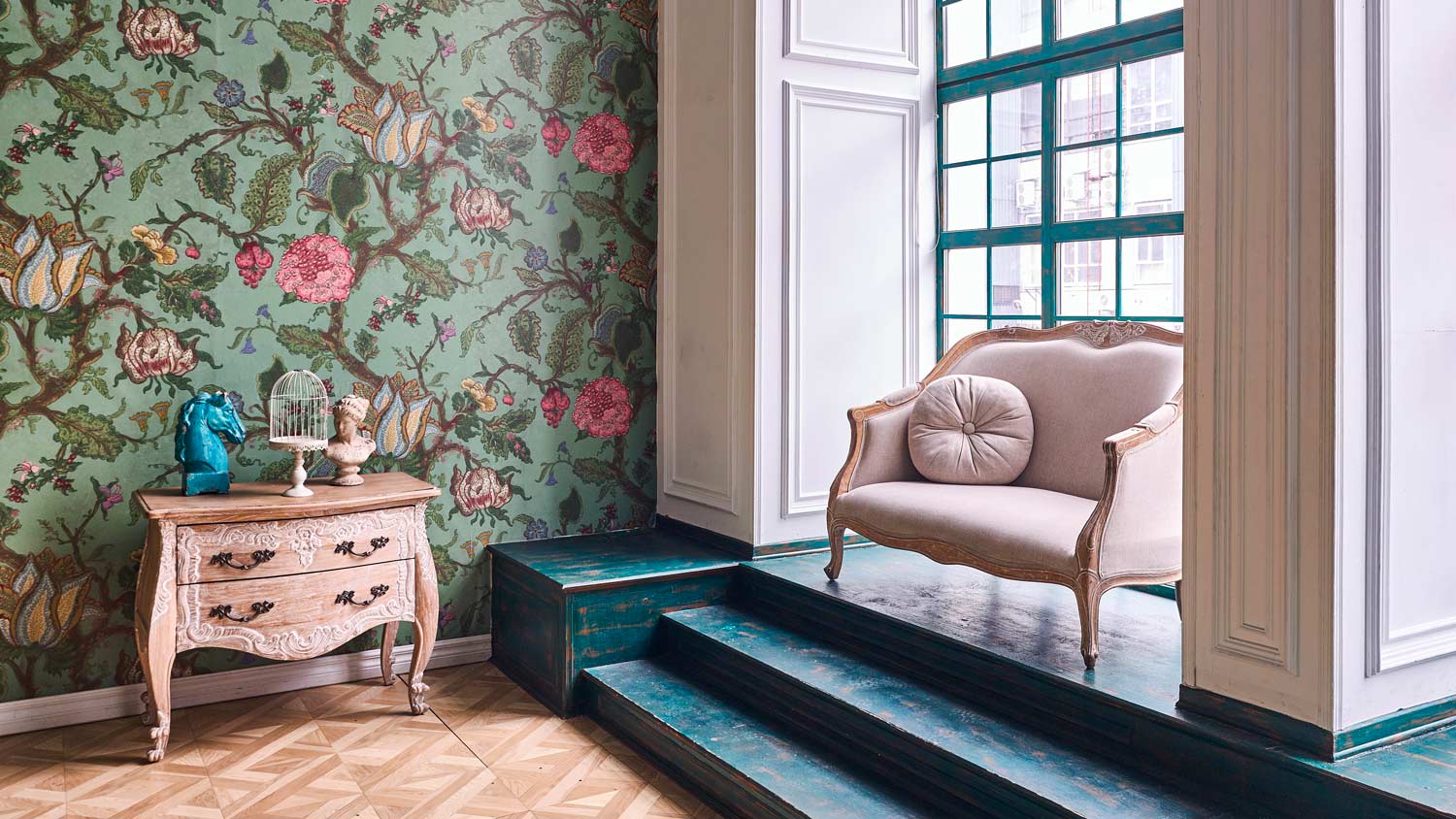
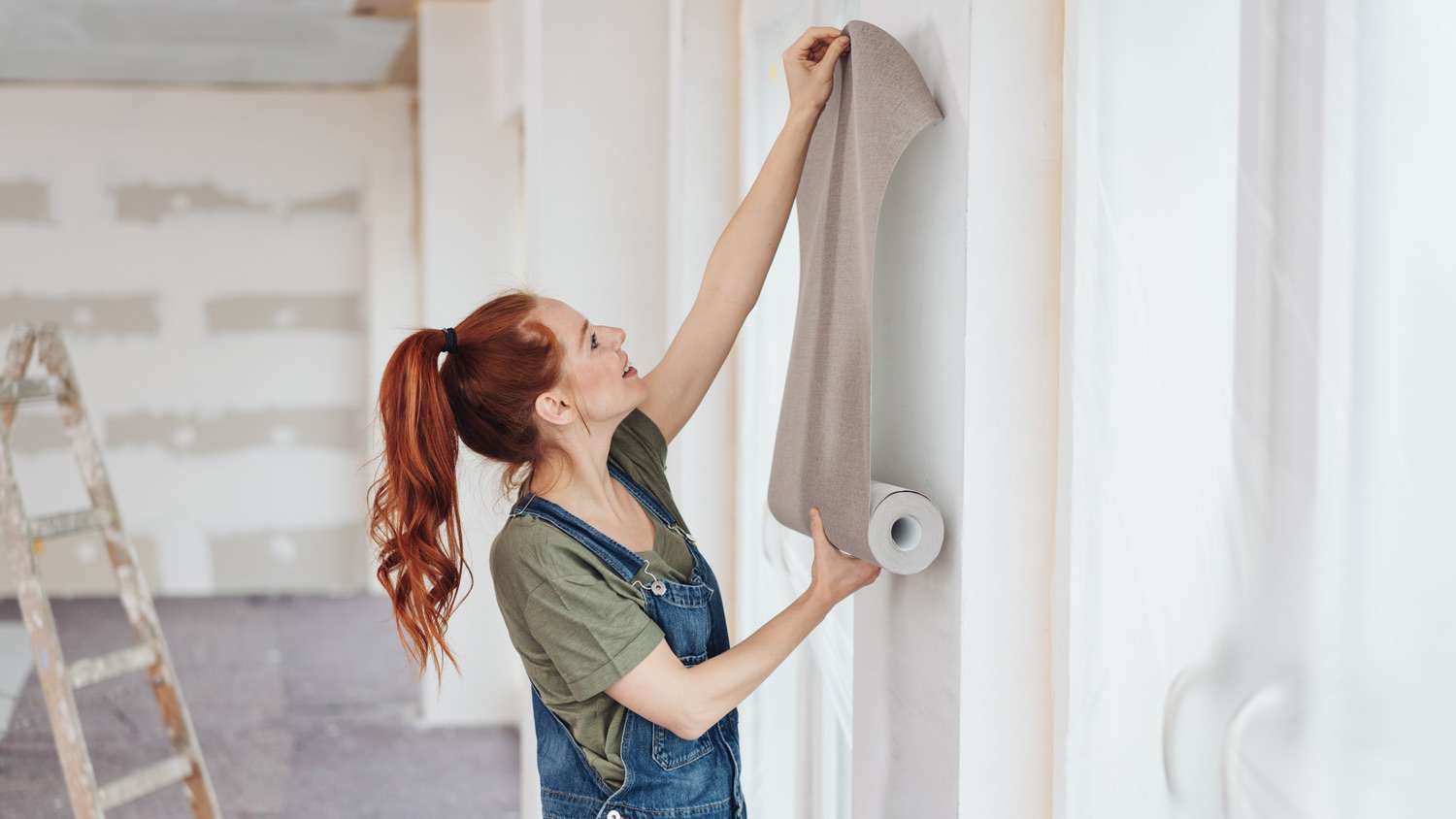
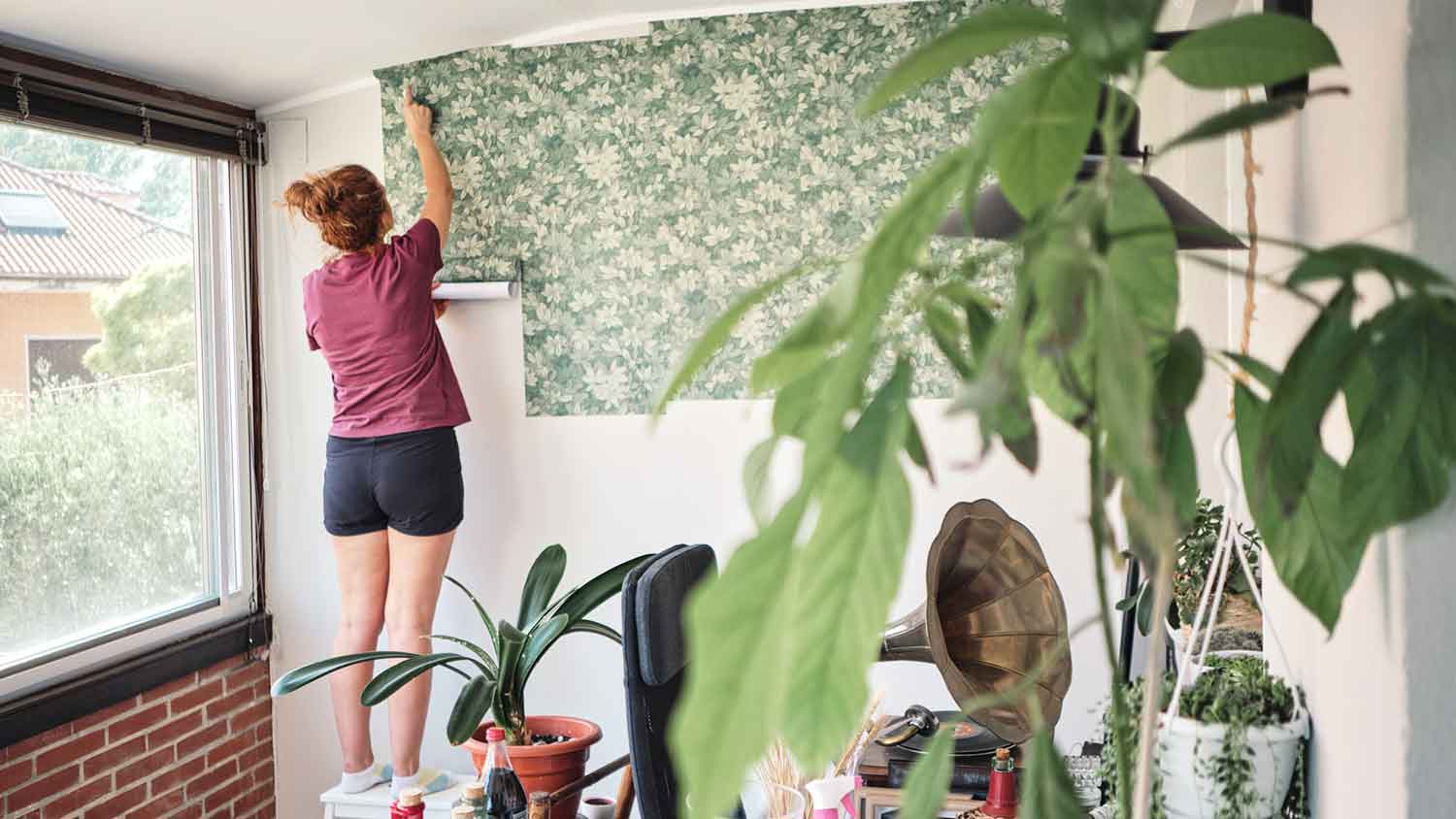
Discover wallpaper installation cost. Learn about material, labor, and project factors to estimate your budget and make informed choices for your home.
Planning a room update? Learn about the wallpaper removal process, costs to expect, and how to find and hire the right local pro for a paint-ready finish.
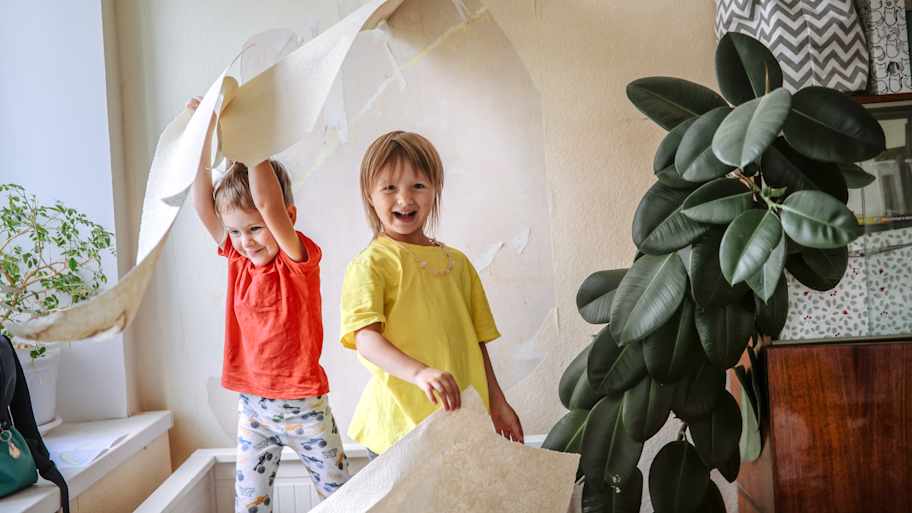
Taking down wallpaper is a tedious and time-consuming job. Here are some tips on how to hire someone to remove wallpaper for you to make your life easier.