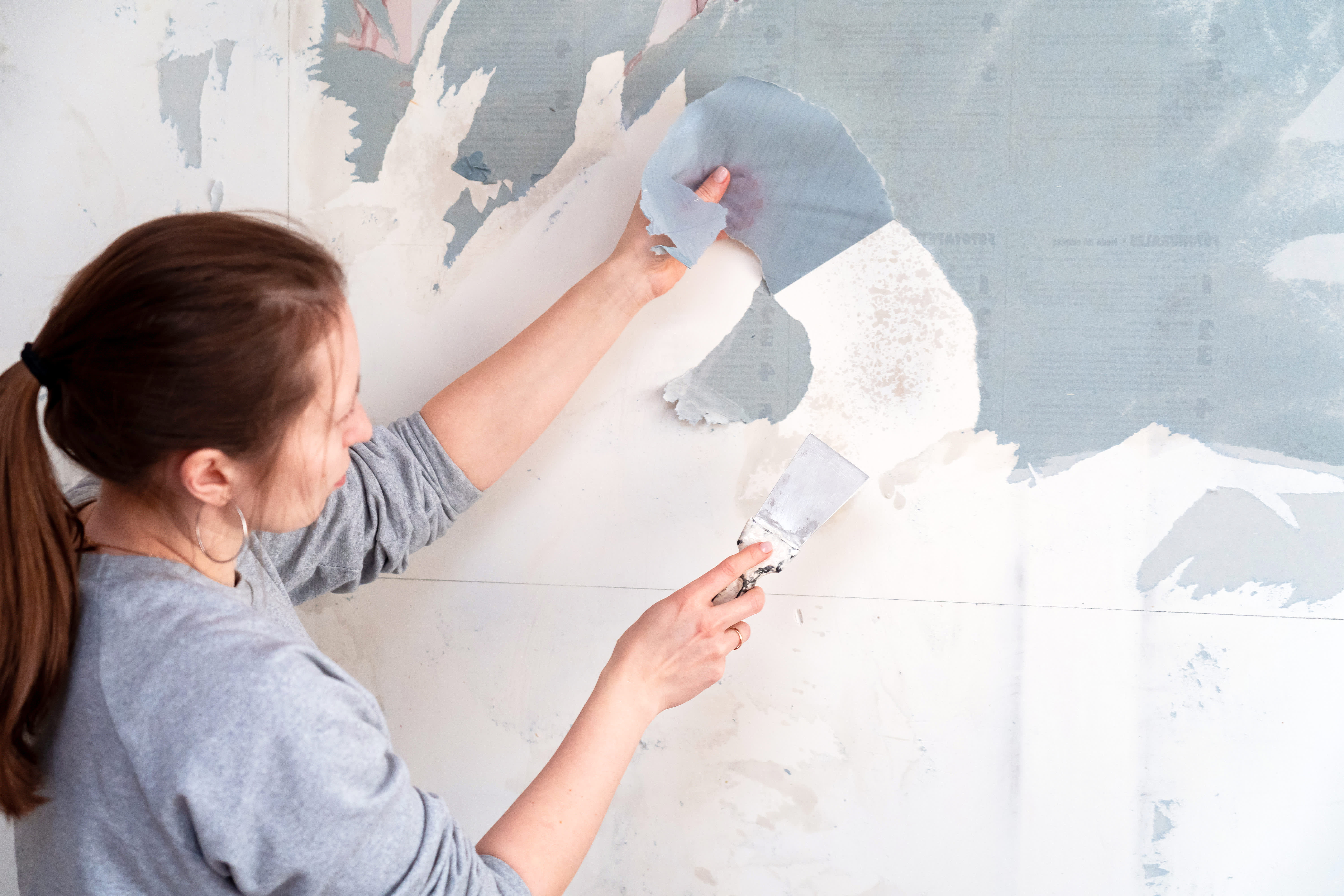
Top-rated wallpaper removers.

Best wallpaper removers near Wilton, ND

Enter your zip and get matched with up to 5 pros

Need a pro for your wallpaper removal project in Wilton, ND?

Select your specific project to find the pro for you.

Top-Rated Wallpaper removers in Wilton - Updated Nov 2026

Wallpaper Removal FAQs, answered by experts

When comparing peel-and-stick and traditional wallpaper, the better choice depends on your specific needs and space. Peel-and-stick wallpaper is more budget-friendly and easier to DIY install. On the other hand, traditional wallpaper lasts much longer and holds up better in a wider variety of spaces, including areas with moisture like kitchens and bathrooms.

Removing a wallpaper border requires the same process to remove full walls of wallpaper. Clear the area, spray down the surface with your hot water and vinegar solution or store-bought spray, wait 10 to 15 minutes, then scrape it off with a putty knife. Sometimes, border wallpaper lifts easier than larger sheets, so you can just peel it right off the wall by hand.

While it is possible to paint over wallpaper, it is generally better to remove it first to guarantee a smooth, professional finish. Painting over wallpaper can save time, but it may lead to issues if not done correctly.

You can paint over existing wallpaper if it is in excellent condition: smooth, non-textured, clean, and firmly adhered to the wall. Ensure there are no bumps, tears, or peeling areas, and that all corners and seams are securely glued down. You might also consider painting over wallpaper if removing it would damage the underlying wall. Additionally, some wallpapers are specifically designed to be paintable, which can add texture to a room.

However, there are risks. If the wallpaper is textured, damaged, or peeling, these imperfections will show through the new paint. The moisture from the paint can also loosen the wallpaper's adhesive, causing it to bubble and potentially damage the wall. To mitigate these issues, clean the surface thoroughly and use an oil-based primer to help the paint adhere and prevent the old adhesive from bleeding through.
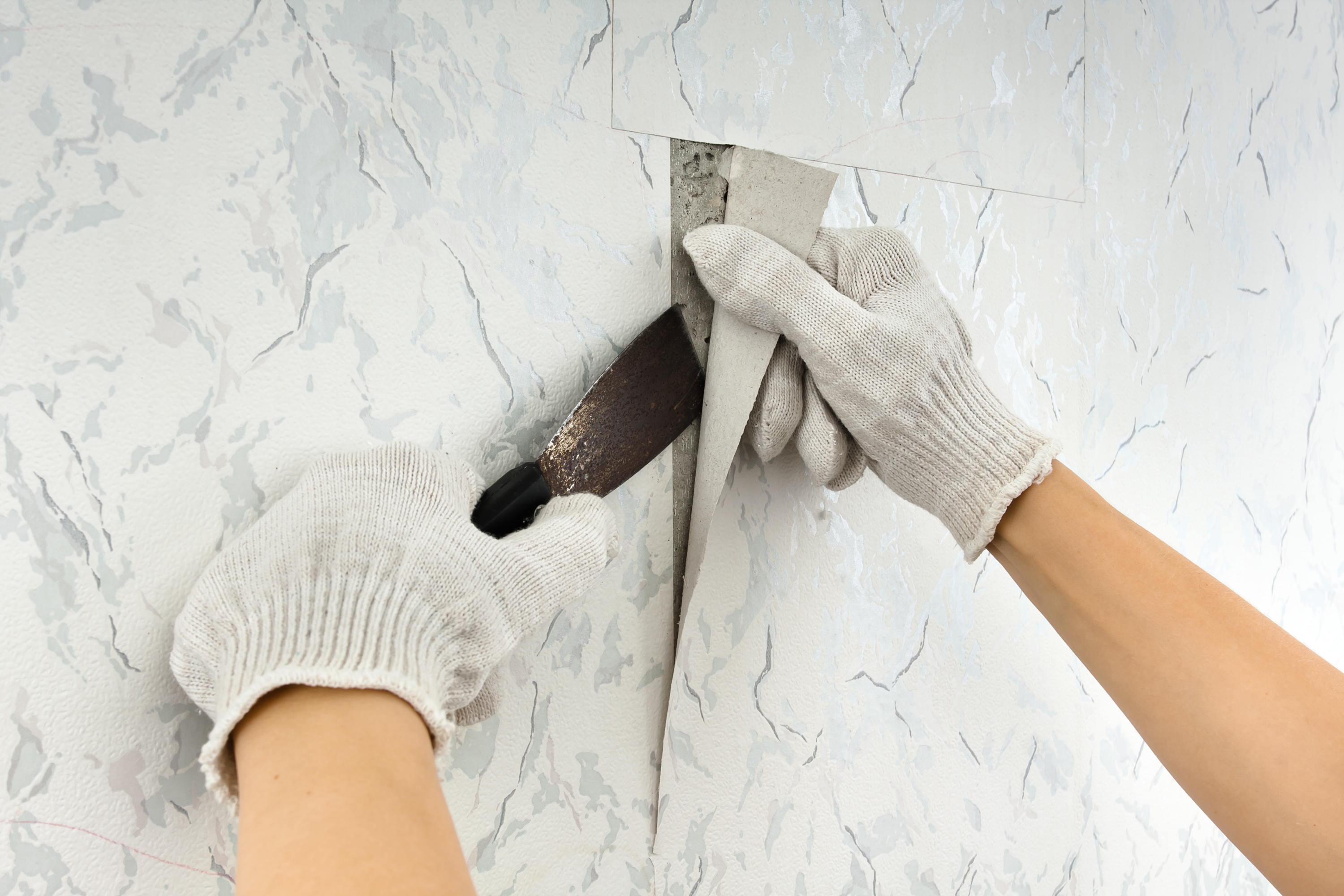

In most cases, it is not recommended to wallpaper over existing wallpaper, as the success depends on the type of paper already on the wall. While you might be able to cover non-coated wallpaper, you should never apply new wallpaper over a vinyl-coated one, which is more common. Doing so can lead to poor adhesion, resulting in bubbles, imperfections, and peeling. It can also trap moisture, potentially causing hazardous mold growth between the layers.

Even if the existing wallpaper is suitable, experts recommend applying only one new layer. Adding multiple layers (more than two total) can cause significant adhesion problems, leading to warping and bubbling. For the best results, the recommended approach is to remove the old wallpaper and all paste residue before hanging the new paper. If you are unsure about your wallpaper type, consider consulting a professional.

You’ll need to wash the walls to remove wallpaper adhesive residue after removal as part of the prep process for painting or rehanging wallpaper. Old adhesive can cause texture issues and prevent paint or wallpaper from adhering properly to the wall’s surface.

The Wilton, ND homeowners’ guide to wallpaper removal services

From average costs to expert advice, get all the answers you need to get your job done.