We here at Veras Construction take pride our work and always pay attention to the minor details. Our customers know they can rely on us no matter what the project may be. We are always going the extra mile to ensure quality on everything we do. For prompt and professional work, call us today for your painting needs.
J Drywall has a single mission: Complete Customer Satisfaction! We strongly believe in giving our customers the most for their money. We work with only the highest quality materials and experienced professionals. We have consistently focused on the needs of our customers, providing personalized attention and a stress-free experience. This approach has set us apart and makes us a great company for your project.
\n
We pride our company on reliability, great communication, integrity, and quality work. We are experts in our trade and will do our best to keep you as educated as we can on your particular task or project. We look forward to earning your business!
H&M Drywall LLC has a single mission: Complete Customer Satisfaction! We strongly believe in giving our customers the most for their money. So, we work with only the highest quality materials, experienced and professional craftsmen. We have consistently focused on the needs of our customers, providing personalized attention and a stress-free experience.
We serve North Dakota with best in class service for roofing, drywall and plaster projects. Call us so we can show you why our 25 years of experience will help you get the job done right the first time. Let us show you why most of our first time customers become long term clients!
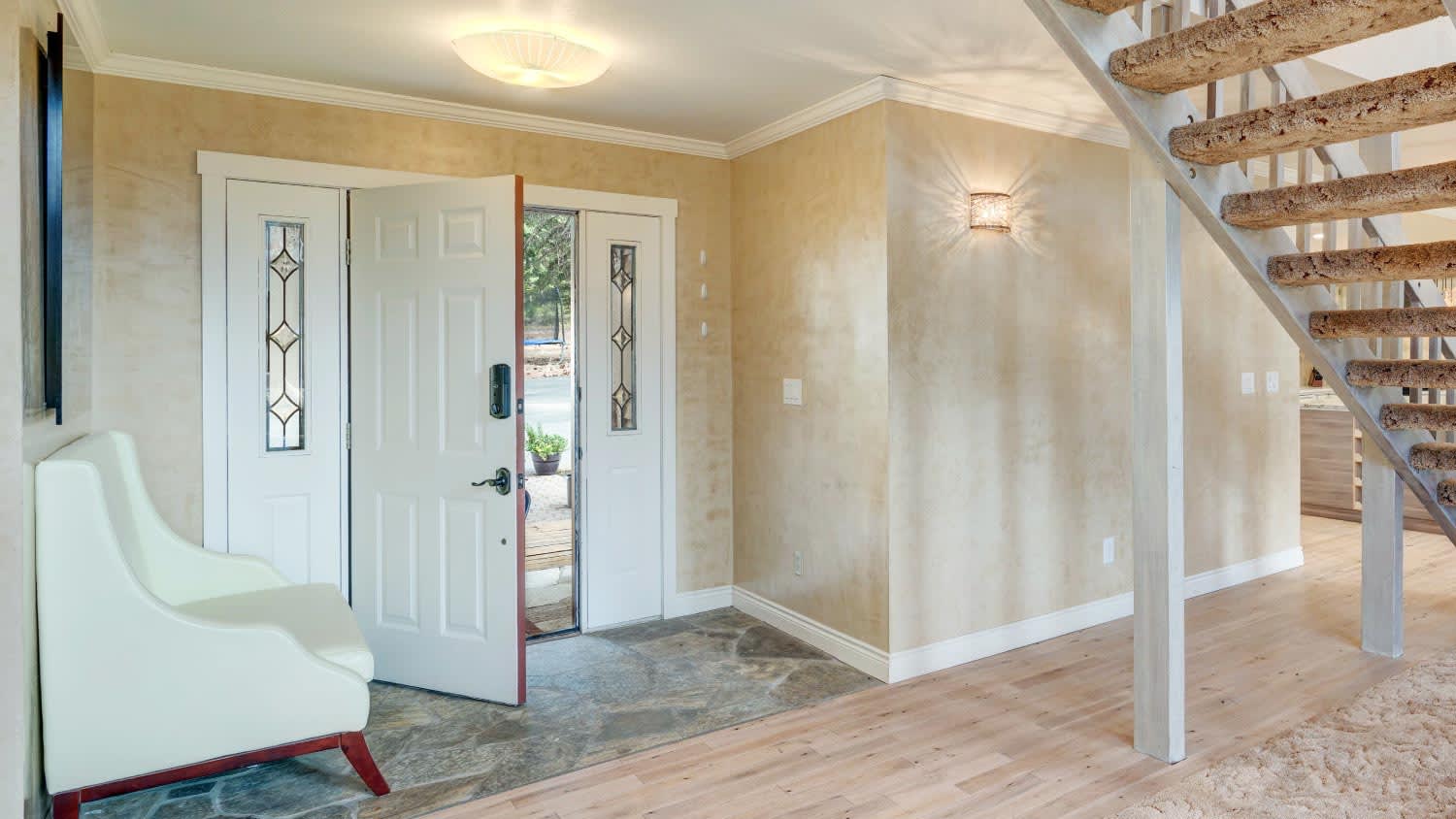
Whether Venetian plaster increases your home's value often depends on the buyer's preference. As a purely aesthetic upgrade, it doesn't add structural value in the same way a kitchen or bathroom remodel might. However, its beautiful and attractive appearance can make a home more appealing to potential buyers, possibly leading to more interest, higher offers, and increased competition when you sell.
Only use spackle on plaster walls when the imperfection is small. It’s best used for nail holes or small dings in the plaster. Spackle dries quickly, allowing you to continue the repair process shortly after using it. Plaster can be tricky to repair, though, so if you run into issues, call a pro so that you don’t risk further damage.
You can technically just paint over hairline cracks in plaster since these cracks are often harmless, but this will mostly be a waste of paint. Paint will only hide the hairline crack for a few months before it shows up again. The best solution is to repair the crack with flexible filler or joint compound before repainting.
Like many other repair projects, the cost to fix a behind-the-wall shower leak depends on several factors. The cost of your repair may depend on the type of leak (from a clog or burst pipe), type of piping, and location of the leak. The extent of the issue and how difficult it is to access the pipes can greatly impact and increase your price. On average, you can expect to pay around $150 to $600 to repair a leaking shower.
To maintain plaster walls, inspect them regularly for cracks and seal them early. Clean the walls by dusting regularly or using a gentle, damp cloth. It's also important to avoid moisture exposure. Repainting as needed will help maintain the wall's appearance and longevity.
The Hebron, ND homeowners’ guide to plaster repairs
From average costs to expert advice, get all the answers you need to get your job done.
Venetian plaster can add depth and texture to your aesthetic. Learn how much Venetian plaster costs based on factors like square footage and whether you hire a pro to help.
You can find plaster walls in a lot of older homes. What’s behind these walls—whether that’s lath or calcimine—can have an impact on how long they last. Finding out the age of your house can help you determine what you’re dealing with.