"I only use James when I need some work done to my house. He responds fast, gets the work done quicker than just about anyone else I've ever used and seems very concerned with leaving his customers happy."
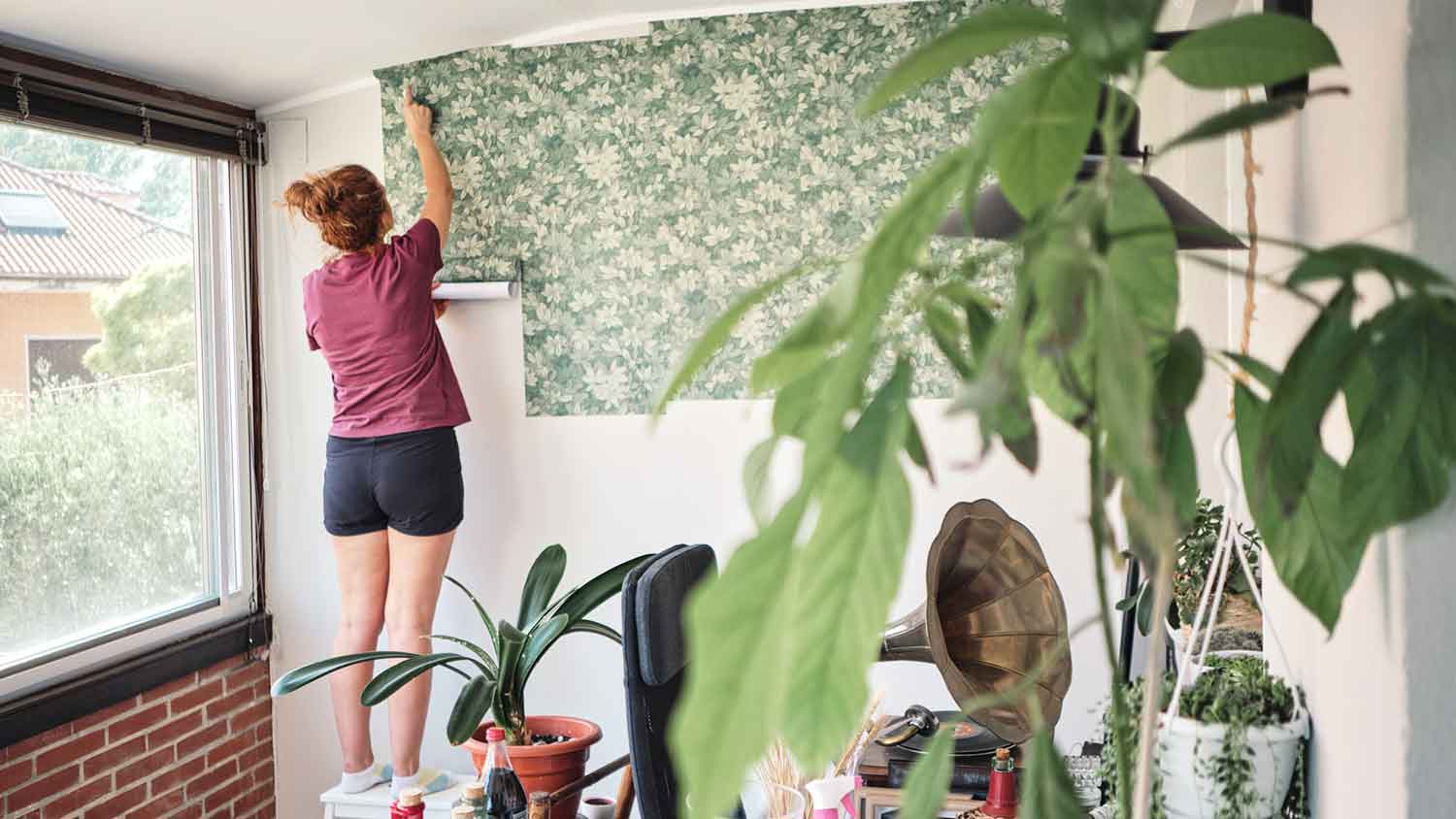
No, you don’t always have to remove old wallpaper before applying a new layer. However, you should pull off the existing wallpaper if it’s cracked, peeling, or in poor condition. We’d also recommend against putting wallpaper over textured or dark-colored wallpaper because the old layer may be visible through the new one. In addition, if you try to hang new wallpaper over vinyl-coated wallpaper, the adhesive might not stick properly.
Painting over wood paneling is an option that can save you money and time. However, if you go this route, the style and texture of the wood you paint over will still be evident. Painting over paneling is an excellent way to modernize an otherwise outdated aesthetic. Instead of removing wood panels, consider painting them a bright color–like white or ivory. This is essentially wainscoting, but without any of the required installation.
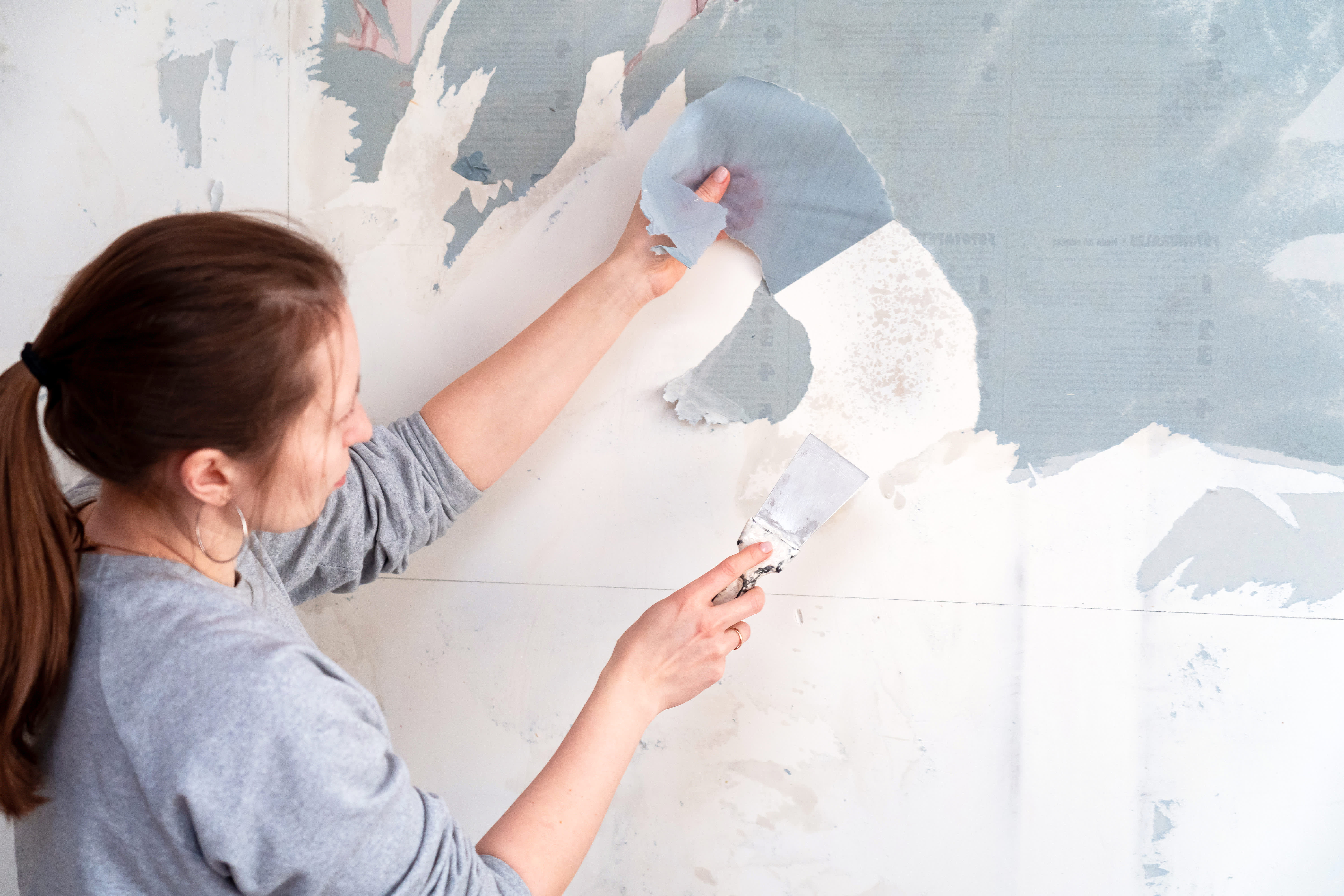
Removing a wallpaper border requires the same process to remove full walls of wallpaper. Clear the area, spray down the surface with your hot water and vinegar solution or store-bought spray, wait 10 to 15 minutes, then scrape it off with a putty knife. Sometimes, border wallpaper lifts easier than larger sheets, so you can just peel it right off the wall by hand.
Yes, many types of peel-and-stick wallpaper can be used in bathrooms, especially those made of vinyl or polyester. However, its success depends heavily on the level of moisture and ventilation. In bathrooms with good ventilation, such as those with fans, it can be a durable option. Peel-and-stick wallpaper may not adhere as well as traditional wallpaper in very humid conditions. For bathrooms that see a lot of moisture, like a kids' bathroom or a full bath with a steamy shower and poor ventilation, even high-quality peel-and-stick wallpaper is likely to peel over time.
You may end up with extra wallpaper once your project is finished. Hang on to that wallpaper, as you may need to use it to patch up areas that get damaged later on. If you have a lot of excess wallpaper, try getting creative with it. You can use it to line the inside of a cabinet or drawers, for example.
The Hettinger, ND homeowners’ guide to wallpaper removal services
From average costs to expert advice, get all the answers you need to get your job done.
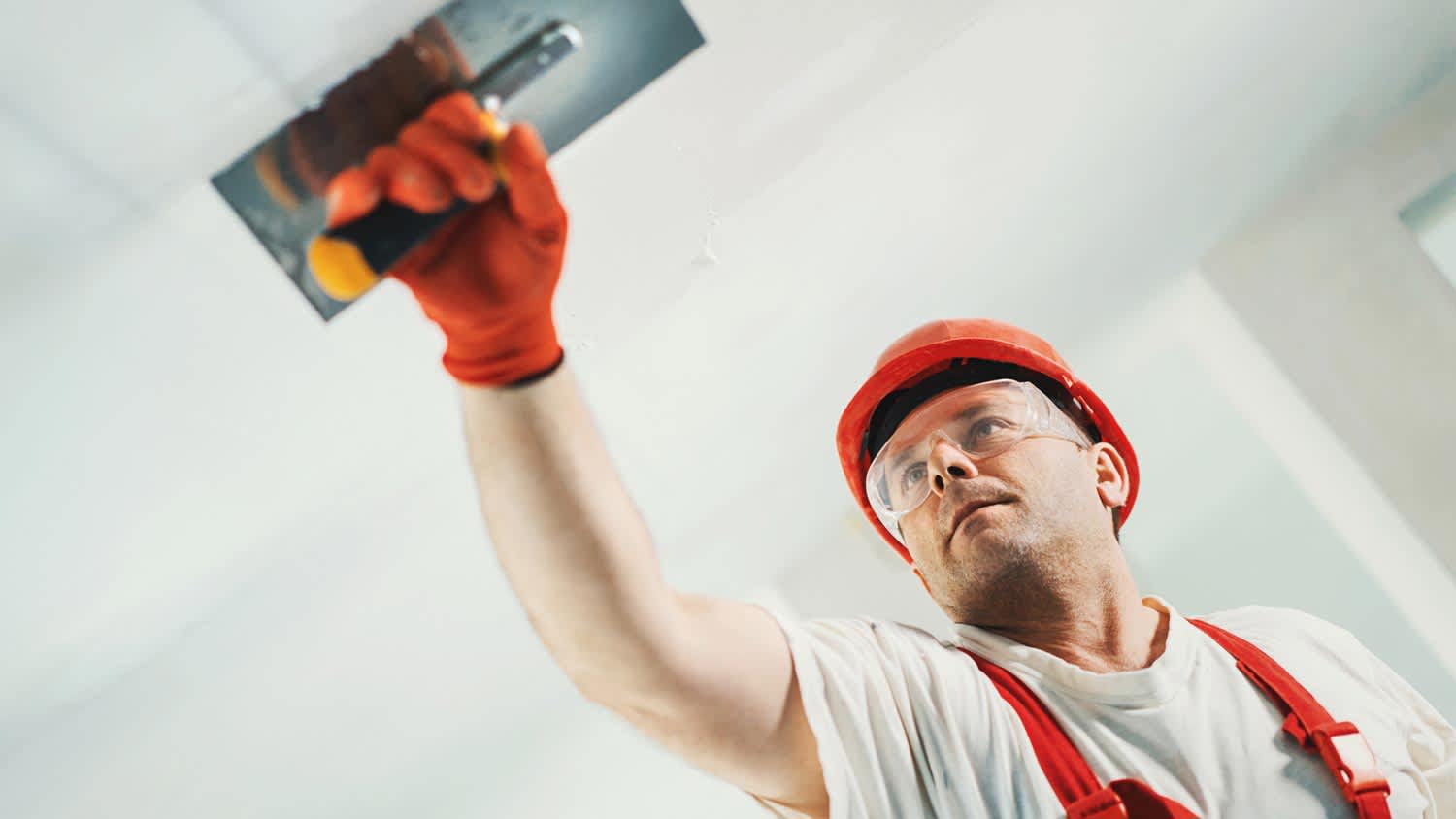
Skim coating drywall is a great alternative to replacement, and is often more affordable. Use this guide to estimate the cost to skim coat walls in your home.
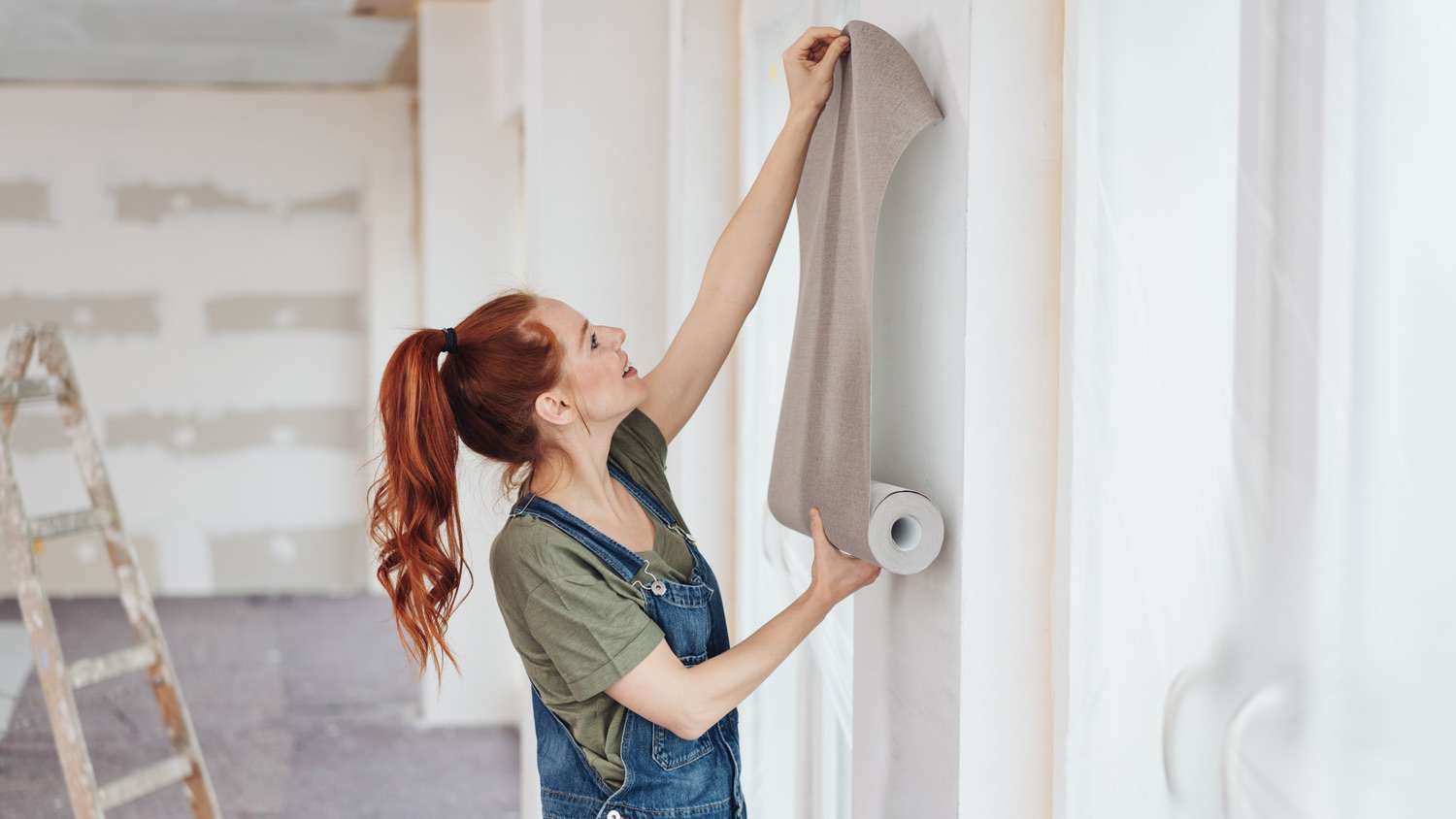
Discover wallpaper installation cost. Learn about material, labor, and project factors to estimate your budget and make informed choices for your home.
Planning a room update? Learn about the wallpaper removal process, costs to expect, and how to find and hire the right local pro for a paint-ready finish.
Wallpaper removal requires physical labor and can be a sticky mess. Consider these tips on the best ways to remove wallpaper to make the process as smooth as possible.