"I only use James when I need some work done to my house. He responds fast, gets the work done quicker than just about anyone else I've ever used and seems very concerned with leaving his customers happy."
Using a fabric softener solution is a popular and low-cost DIY method for removing wallpaper, but its effectiveness is limited. While it may work on some types of wallpaper, it is unlikely to be successful on vintage styles, and there is no evidence that it is more effective than other removal methods. There are also several potential downsides: the solution can leave behind a residue that may damage your walls or interfere with the adhesion of new wallpaper. Additionally, this method can create a strong, overpowering aroma that takes a long time to dissipate, making it a poor choice for homeowners sensitive to smells.
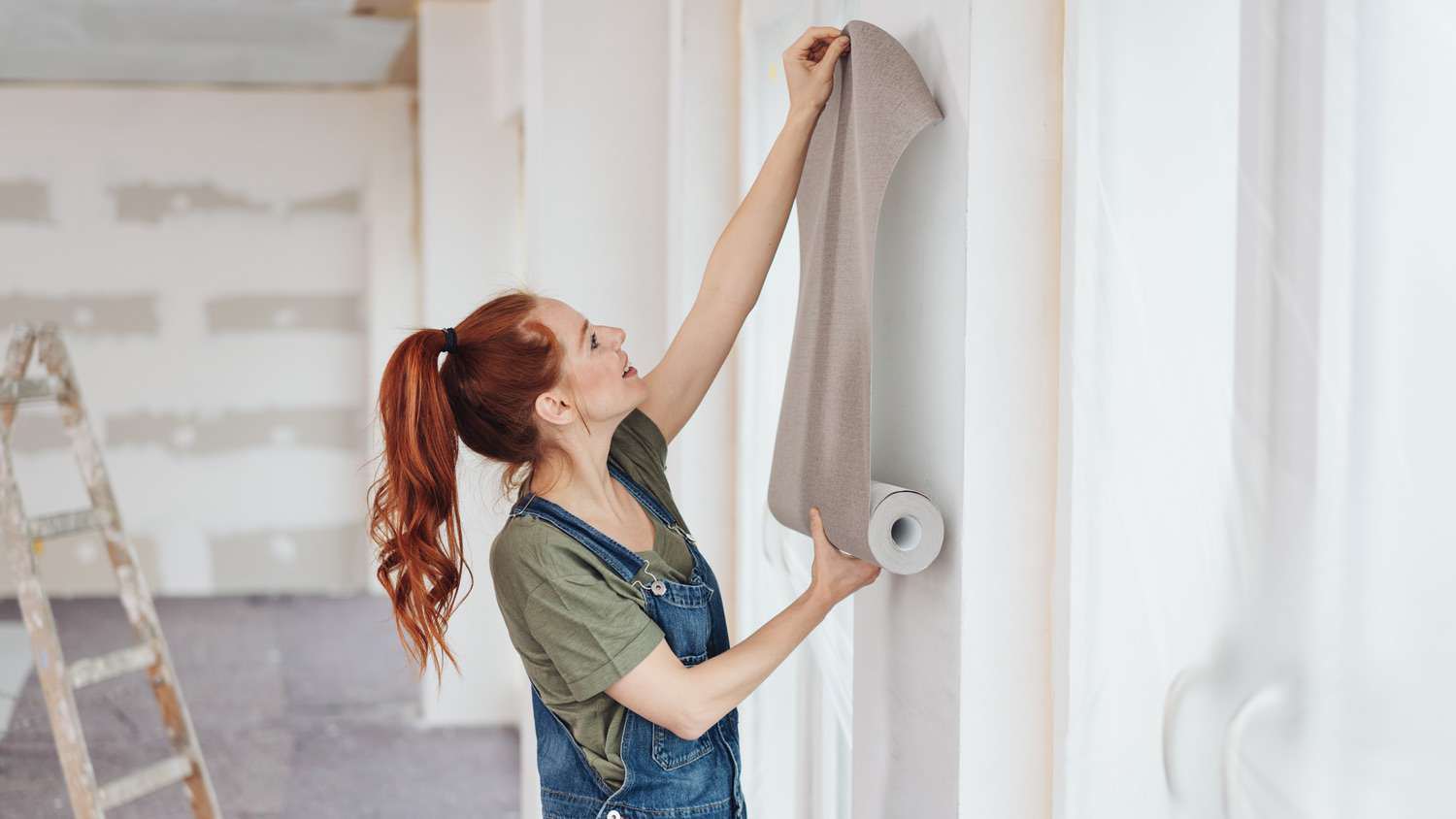
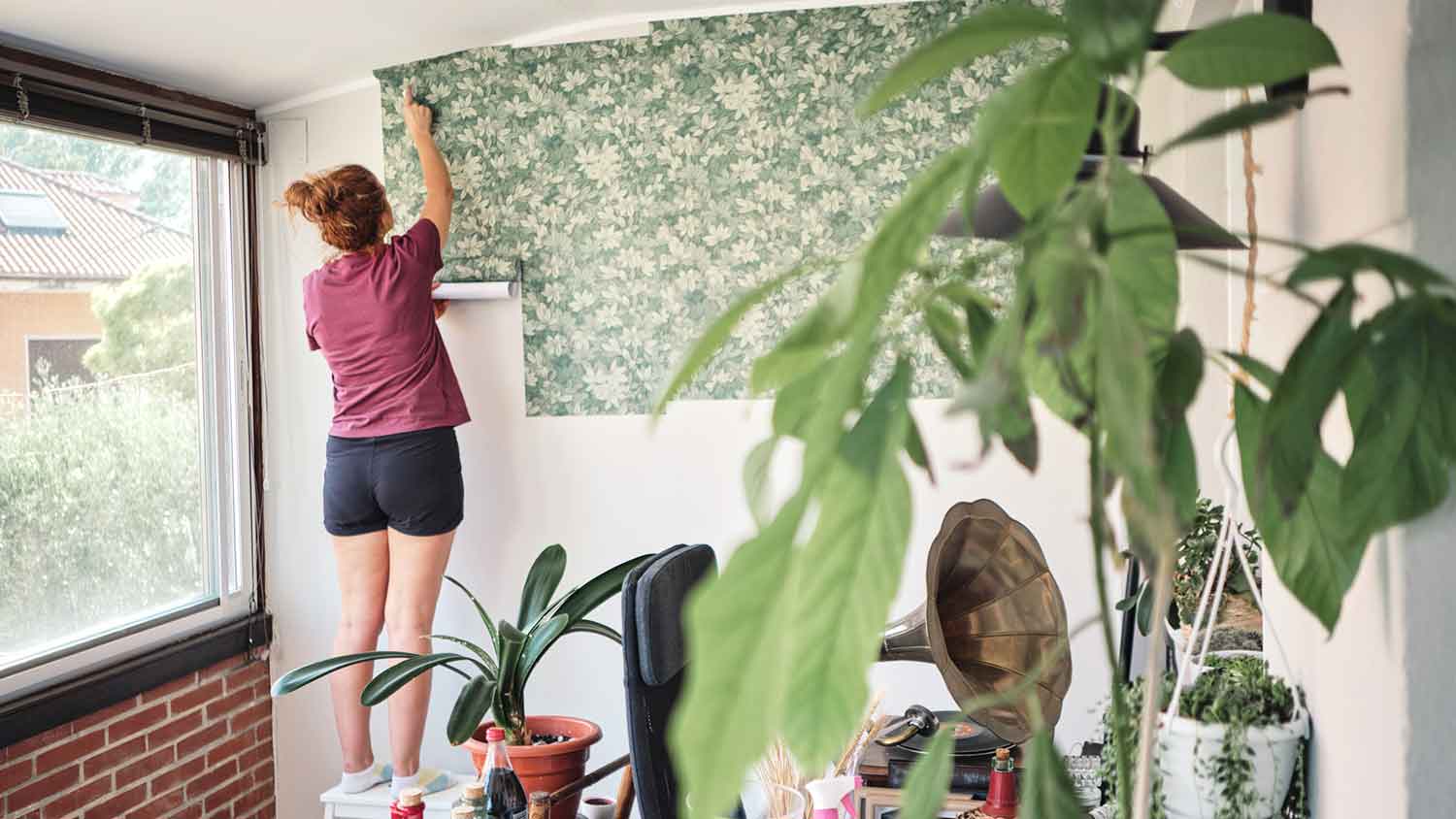
Peel-and-stick wallpaper is designed to be removed without damaging walls, making it a good choice for renters or temporary design changes. However, damage to paint or drywall can occur under certain conditions. To prevent issues, the wall surface must be properly prepared before application—it should be clean, smooth, dry, and correctly primed or painted. Applying wallpaper to a freshly painted surface can cause the paint to peel off during removal. Additionally, removing the wallpaper too quickly or aggressively can also cause damage. For best results, always follow the manufacturer's instructions for both application and removal.
Painting over wood paneling is an option that can save you money and time. However, if you go this route, the style and texture of the wood you paint over will still be evident. Painting over paneling is an excellent way to modernize an otherwise outdated aesthetic. Instead of removing wood panels, consider painting them a bright color–like white or ivory. This is essentially wainscoting, but without any of the required installation.
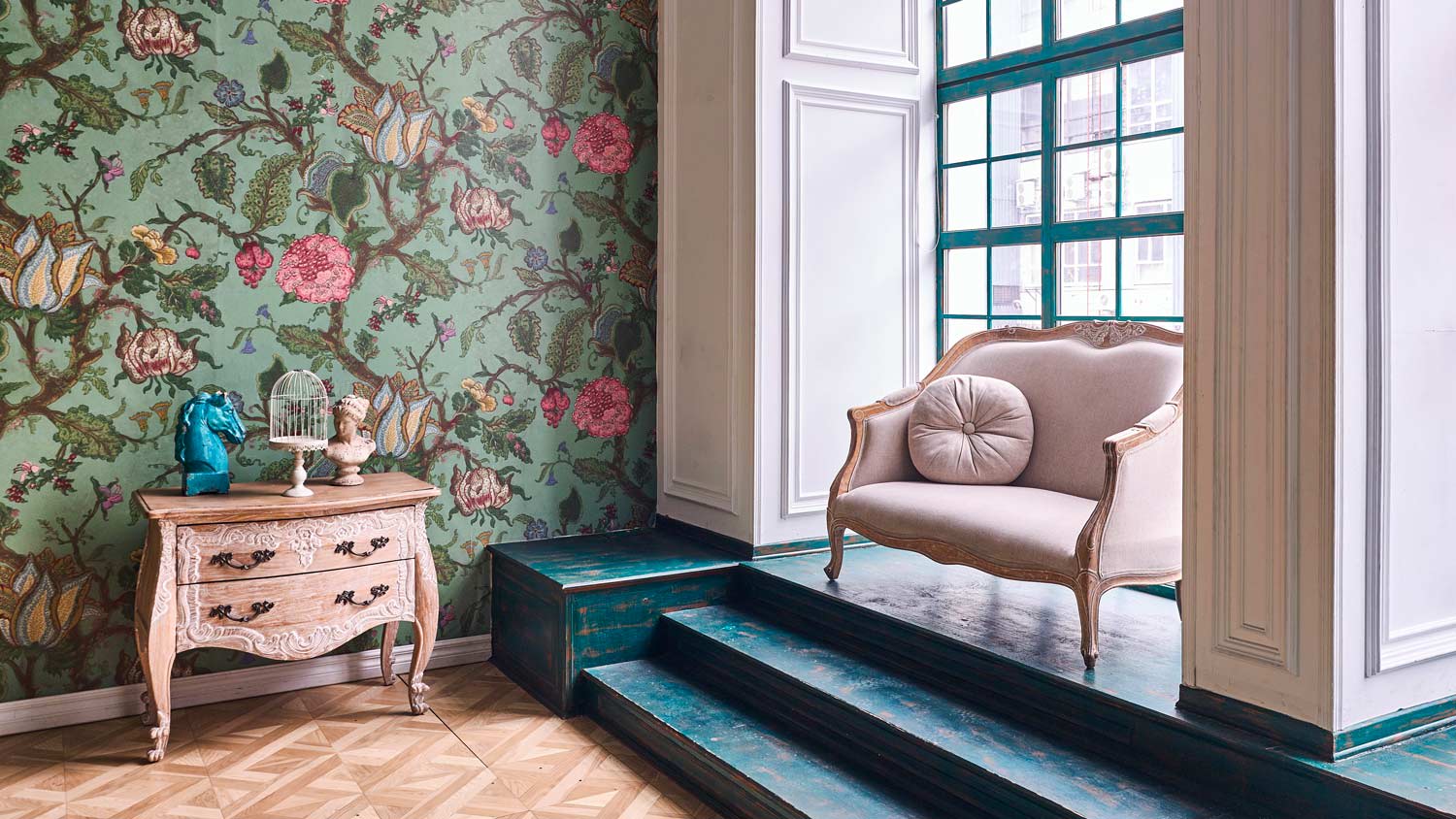
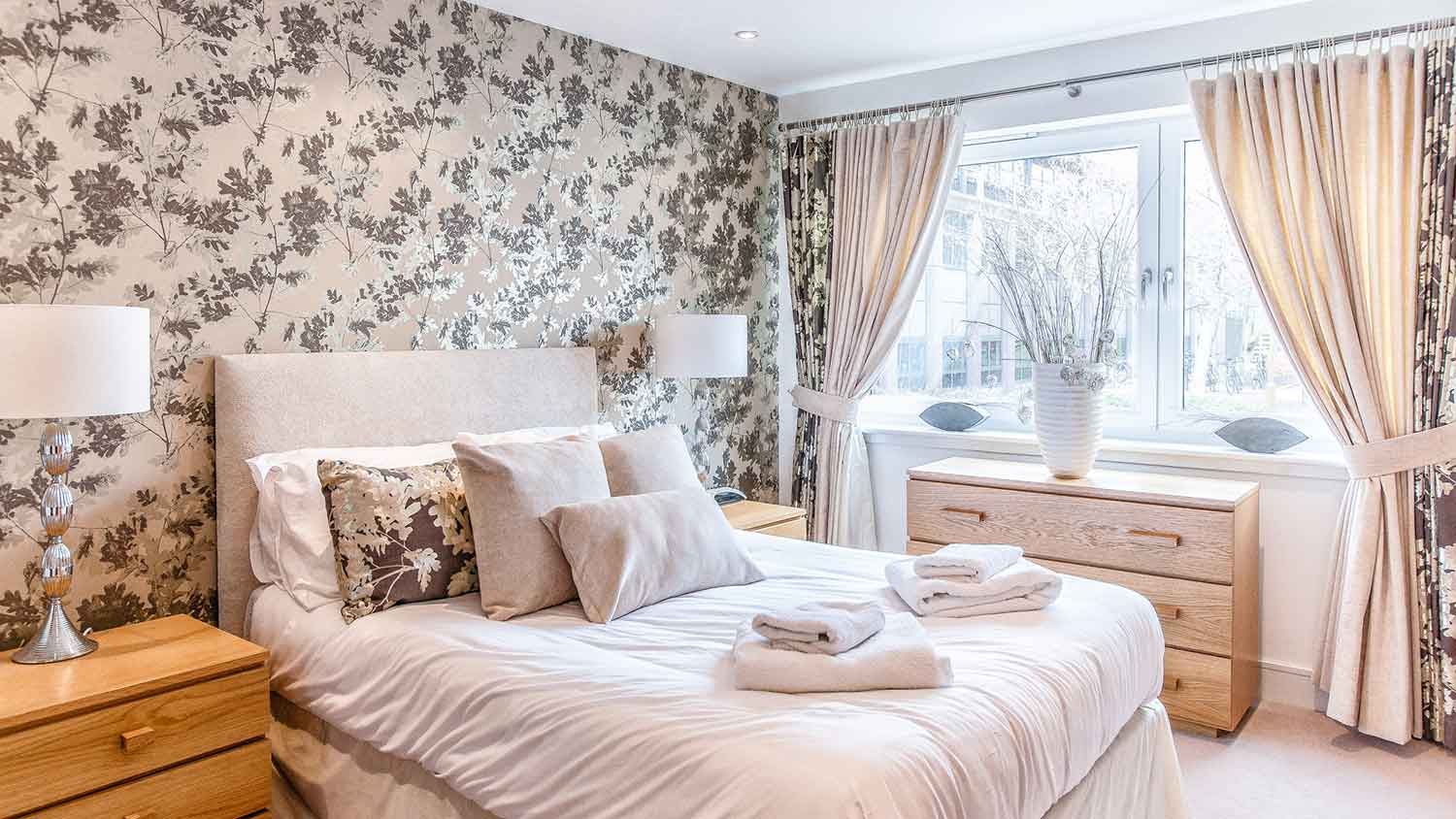
The pros of wallpaper include its durability and longer lifespan than paint, as well as its versatility. The durability can translate to lower long-term costs for upkeep and replacement, and the versatility means you have more options for customizing rooms in your home. Some downsides include that it’s difficult to remove, it’s not ideal for rooms or areas exposed to high moisture content or sun exposure, and it’s tricky to install. A professional wallpaper hanger can help mitigate these issues, though, by installing it properly and in areas suitable for wallpaper.
Many peel-and-stick wallpapers aren’t moisture-resistant, so if you install them in high-humidity rooms, mold can grow behind the wallpaper. It’s best to reserve peel-and-stick wallpaper for bedrooms, living rooms, and other rooms with lower humidity levels. Not only does this minimize the risk of mold growth, but it also keeps the wallpaper from bubbling or peeling.
The Elgin, ND homeowners’ guide to wallpaper removal services
From average costs to expert advice, get all the answers you need to get your job done.
Discover wallpaper installation cost. Learn about material, labor, and project factors to estimate your budget and make informed choices for your home.
Planning a room update? Learn about the wallpaper removal process, costs to expect, and how to find and hire the right local pro for a paint-ready finish.
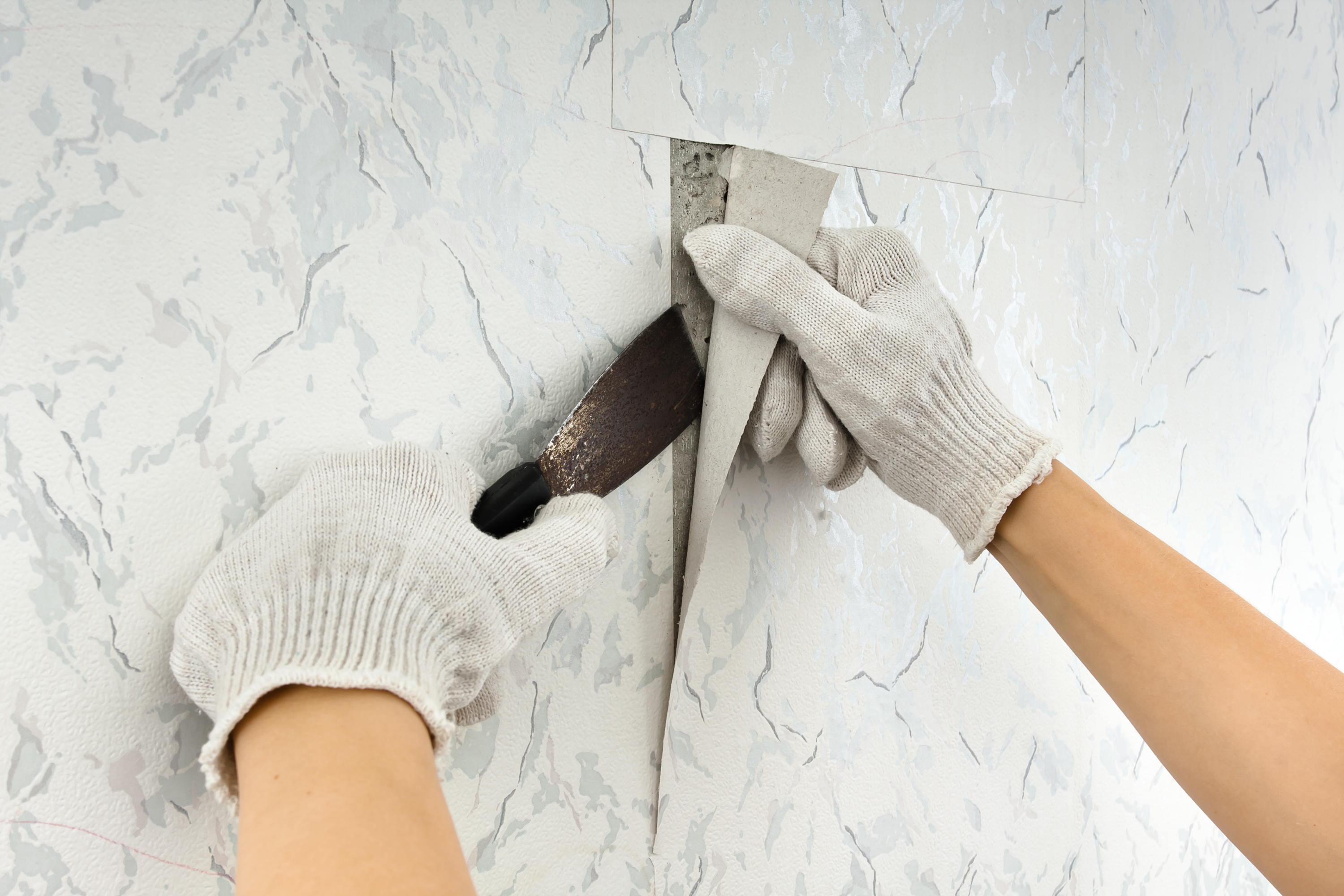
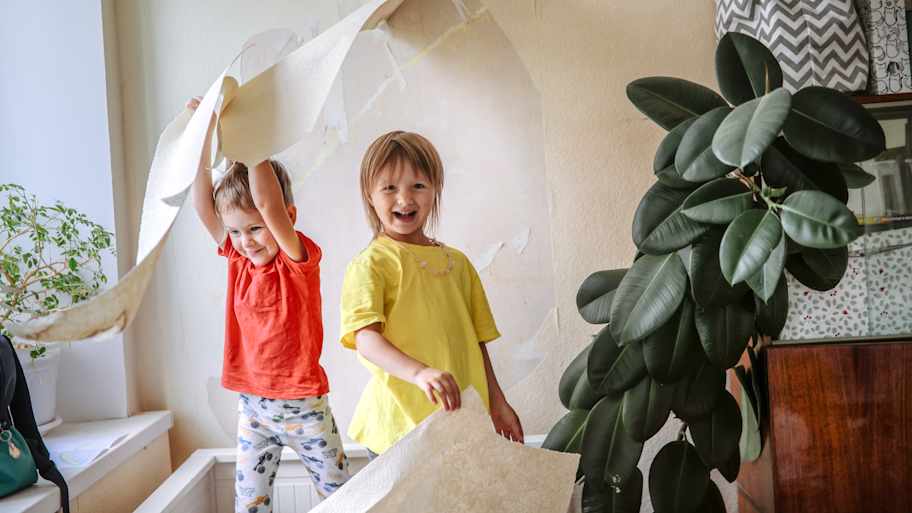
Taking down wallpaper is a tedious and time-consuming job. Here are some tips on how to hire someone to remove wallpaper for you to make your life easier.