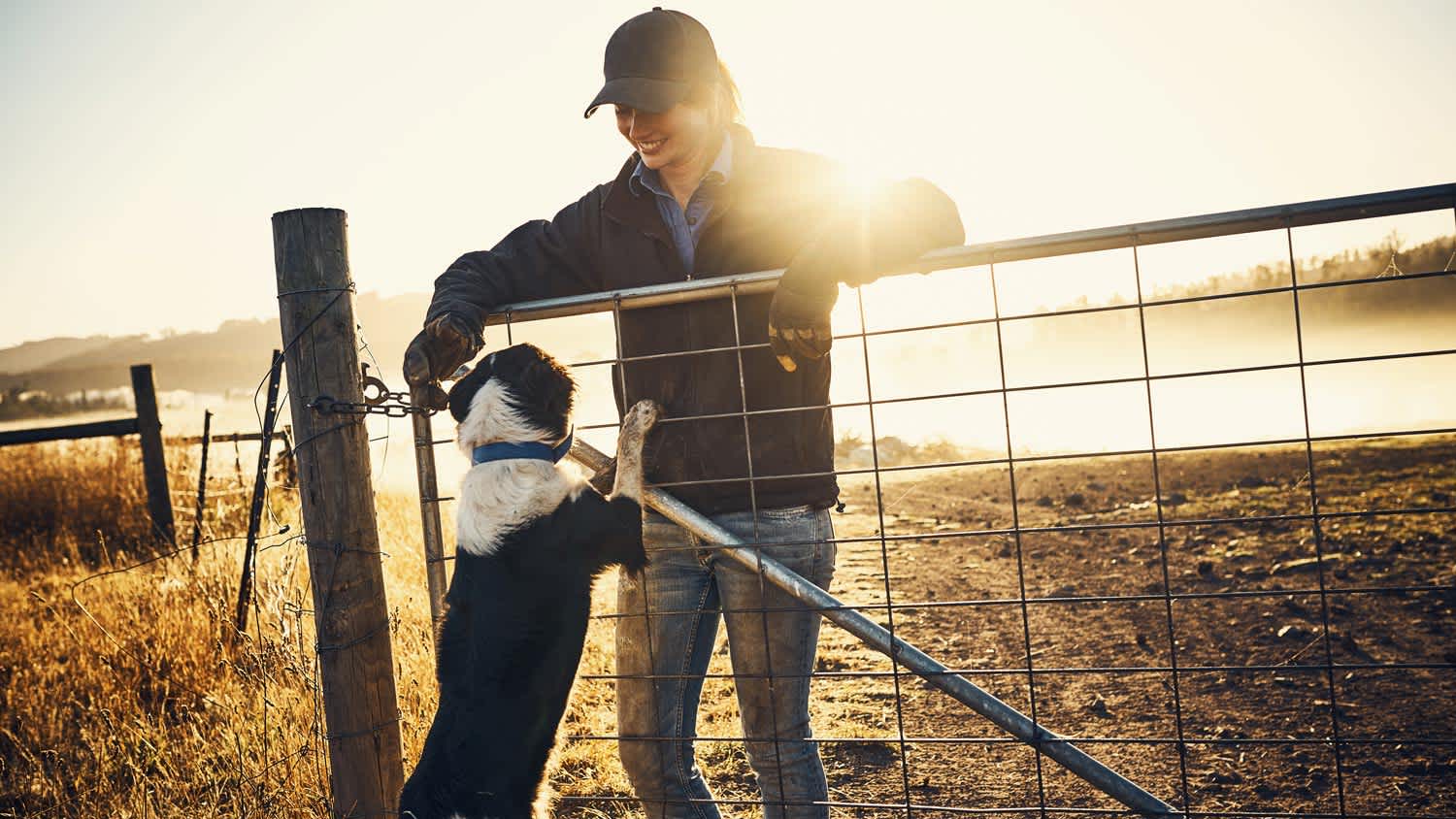
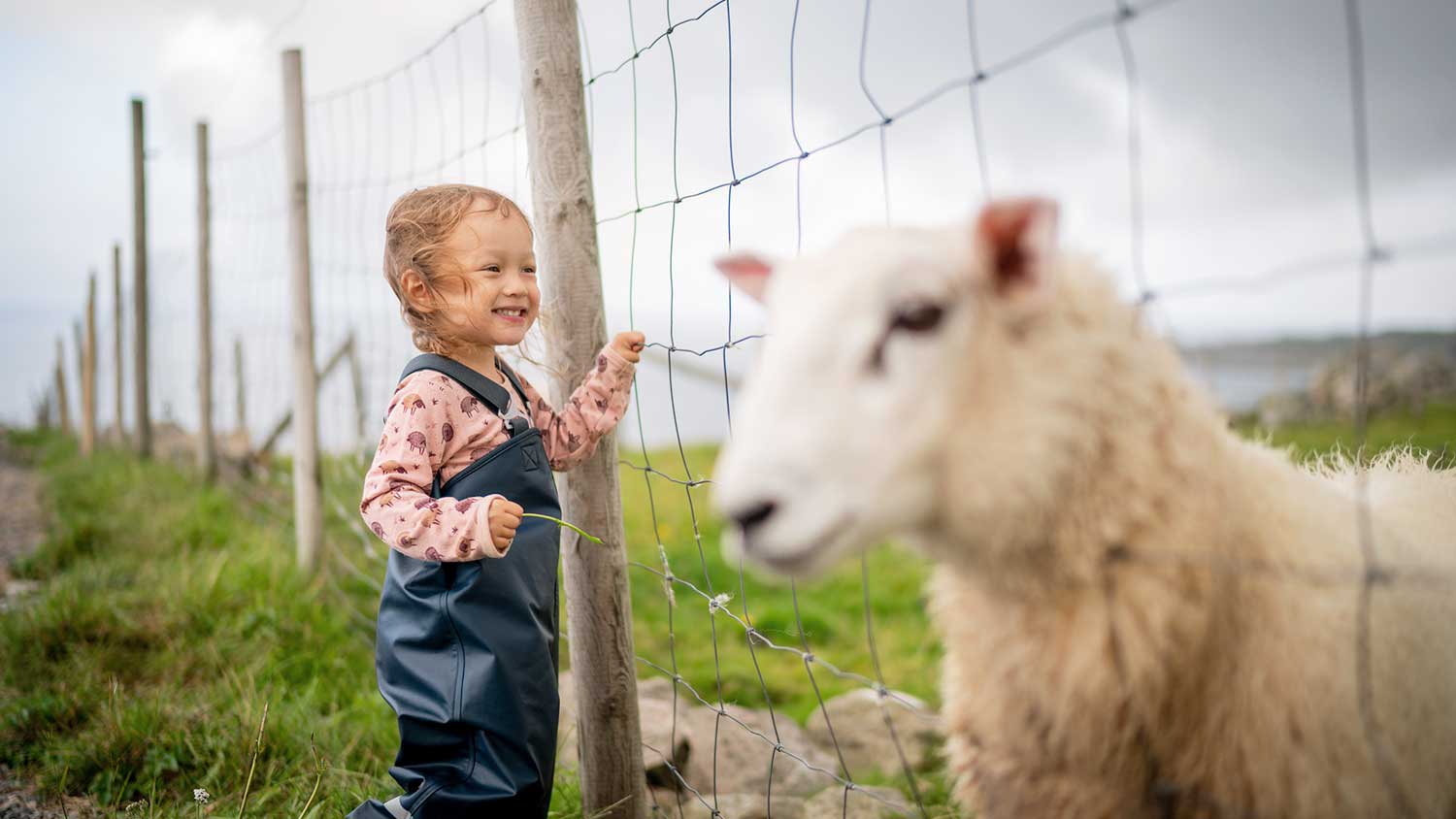
For the most part, goats are friendly and won’t charge at you, but there are exceptions to this rule, as there are with any animal handling practices. Typically, goats don’t attack unless they feel threatened. Avoid cornering or rough handling goats to avoid getting head-butted, bitten, or kicked, and always supervise goats when they’re near children or pets.
It’s debatable, but most will say either termites or bed bugs are the hardest to remove. When dealing with termites, you must find the central nest (as opposed to satellite nests) and exterminate the queen and all potential queens, which often takes the work of a specialist. Bed bugs, meanwhile, are incredibly hardy, good at hiding, and resistant to pesticides, so it takes very careful, very thorough work to get rid of them permanently.
While keeping any critter away permanently isn’t always possible, you can keep mice away from your home by setting traps, fumigating your space, and sealing known entry points. Once you’ve taken these steps, take time to work on prevention measures, such as clearing out all clutter and recyclables and removing all food sources.
Skunks are nocturnal creatures, meaning they are primarily active at night, particularly around dusk and dawn. Their activity levels increase as the weather warms up, and they are generally dormant or inactive during the winter. Skunks are especially active during the spring months when they are foraging for fresh food and seeking mates. While they are typically not seen during the day, daytime activity is possible if a skunk is having trouble finding food, has babies to care for, or is severely ill.
When baiting an iguana trap, several items should be avoided. Do not use poisonous baits, such as those intended for rats or mice. This practice is often illegal, is unlikely to attract iguanas, and poses a significant risk to pets or other wildlife. Additionally, avoid using herbs, fruits, and vegetables that are toxic to iguanas, such as fresh sage, rosemary, avocados, and eggplants. While ripe fruit can be an effective bait, be sure to remove any pits or seeds from fruits like apples, pears, and peaches, as they are highly toxic. Finally, steer clear of citrus fruits, which act as a natural deterrent.
The Hebron, ND homeowners’ guide to animal fencing services
From average costs to expert advice, get all the answers you need to get your job done.
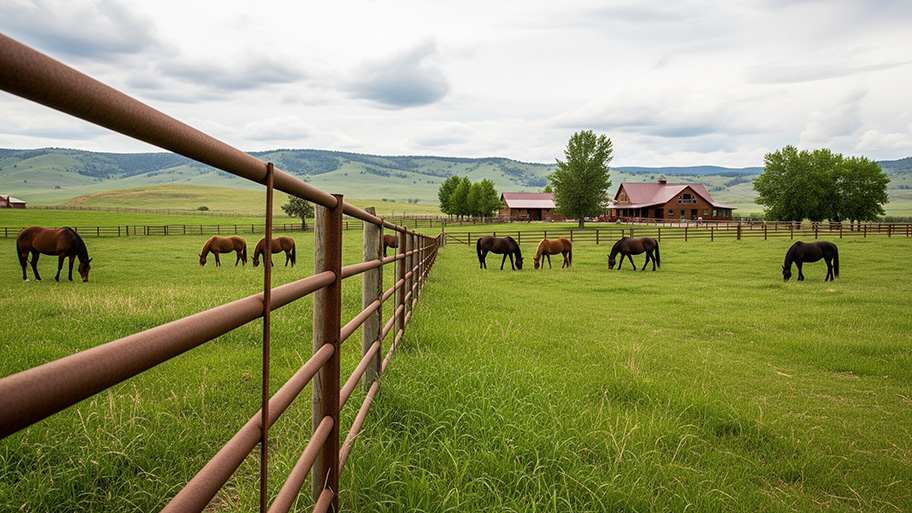
Pipe fencing is an extremely strong, durable option for containing horses and other livestock. This guide breaks down the factors that affect pipe fence cost.