You can make a DIY frog repellent with salt, citric acid, or vinegar. Spray the repellent around your pool to deter frogs from jumping in.
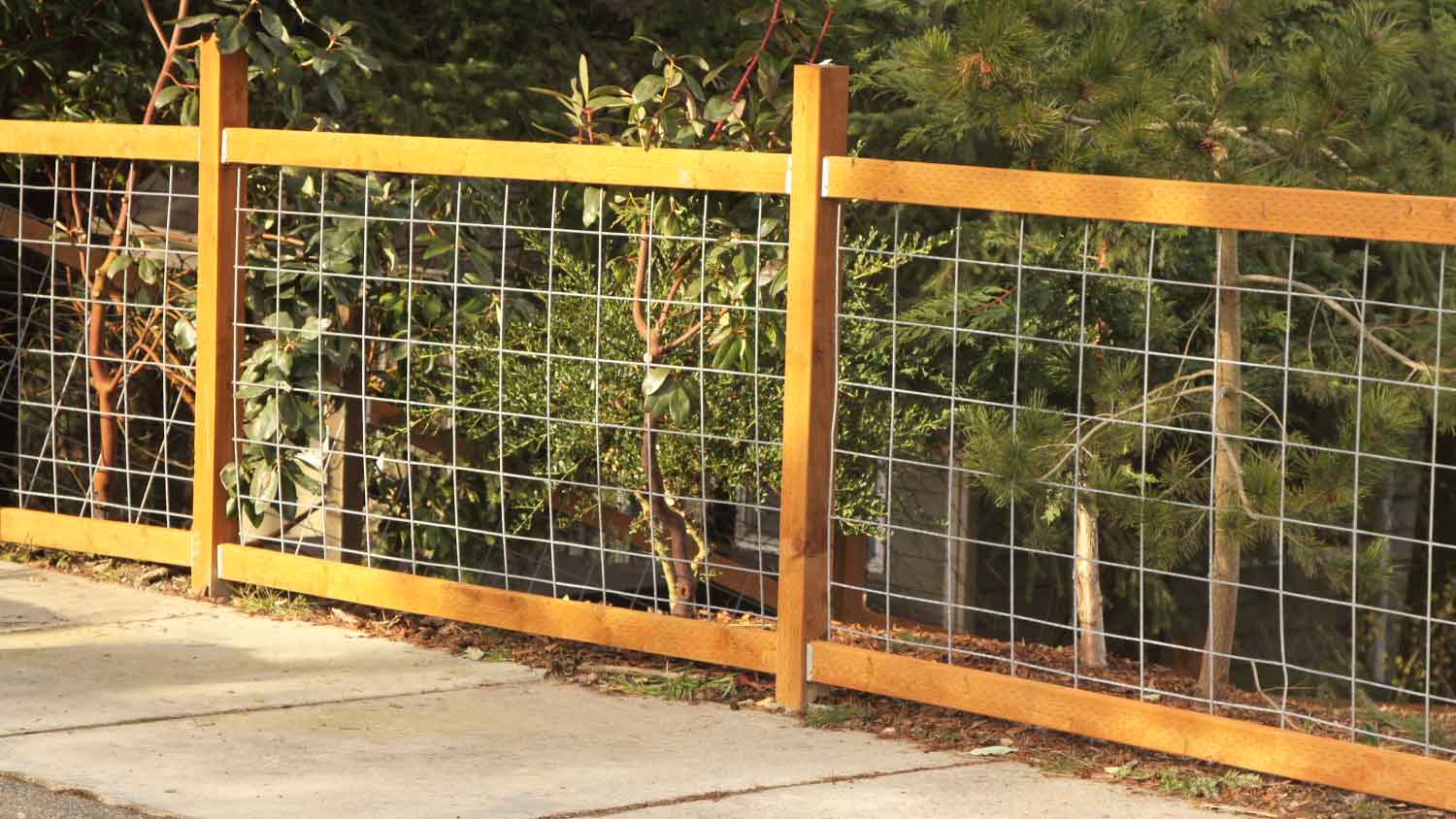
Fencing is one of the most effective ways to keep deer out of your garden, but there are other ways to keep deer away. You could put together a homemade deer repellent mixture using household items that deer hate. Mix hot sauce, garlic powder, liquid dish soap, and water in a spray bottle and spray it onto your plants. It won’t harm your garden or any animals but it will deter deer from chowing down. You can also plant your garden strategically by creating a perimeter of plants that deer don’t like to eat, herbs like oregano, mint, sage, and thyme.
Animal removal specialists specialize in removing critters and wildlife from in and around your home. These include:
Bats
Birds
Groundhogs
Moles and voles
Opossums
Mice and rats
Raccoons
Skunks
Squirrels
The specialist's method to remove these critters will depend on the animal. For example, groundhogs will be live-trapped and relocated, whereas, for birds, the expert will remove and discard the inactive nest and sanitize the area.
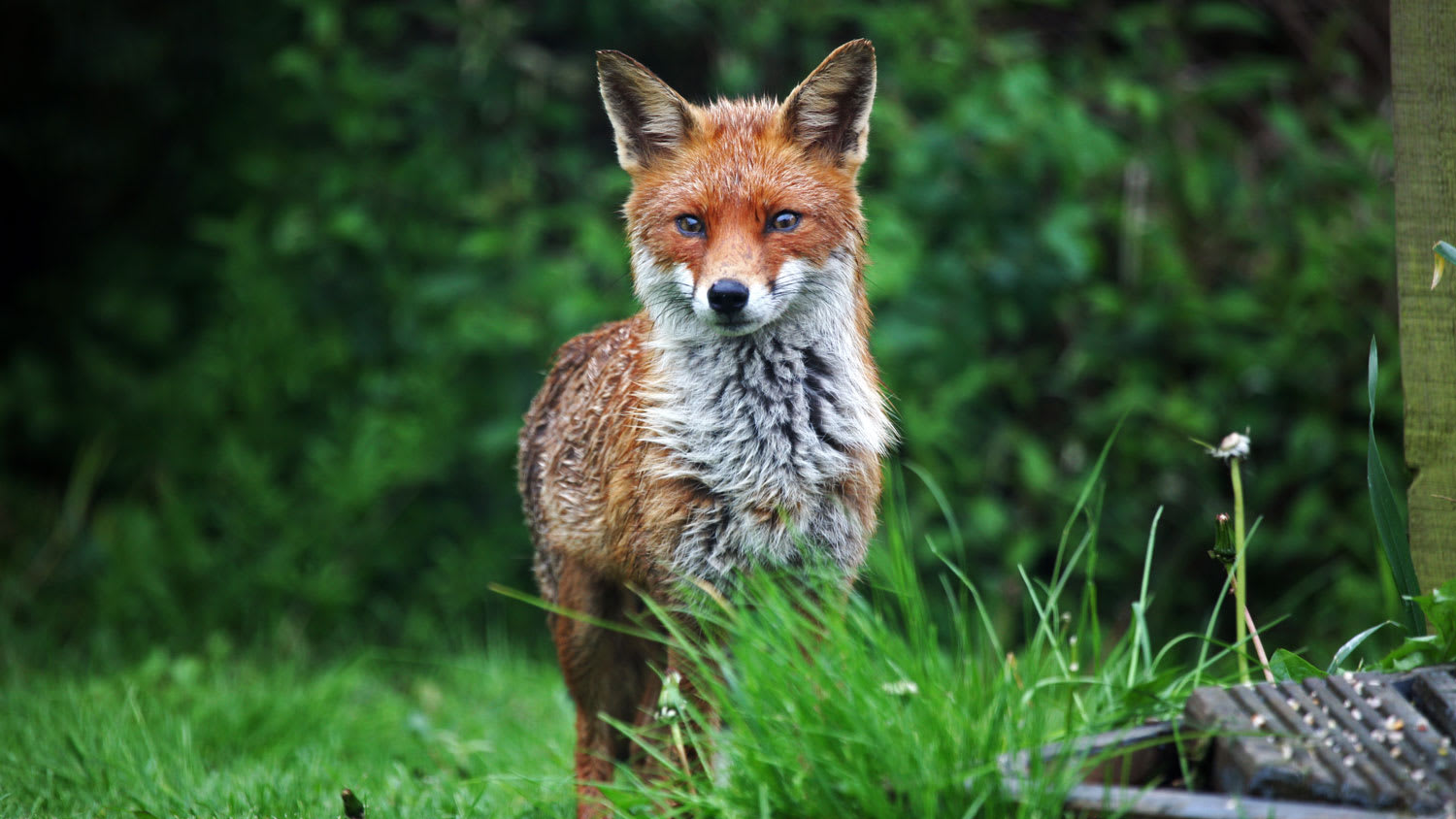
Foxes are primarily nocturnal, meaning you’re less likely to see one strutting onto your lawn in the middle of the day. However, daytime activity is more common if you have a female with her cubs on your property during the spring and summer. And you can see adaptable urban foxes at any time when regular food is available.
If the snakes in your yard are non-venomous species (like common Rat or Garter snakes), why not consider the live-and-let-live approach? Some benefits of not getting rid of snakes include:
They’re great at controlling disease-spreading rodent populations, including rats, mice, voles, and moles.
Some non-venomous species (like the common kingsnake) eat venomous species like rattlesnakes and copperheads.
Species like the garter snake keep down populations of garden pests like slugs and grasshoppers.
The Elgin, ND homeowners’ guide to animal fencing services
From average costs to expert advice, get all the answers you need to get your job done.
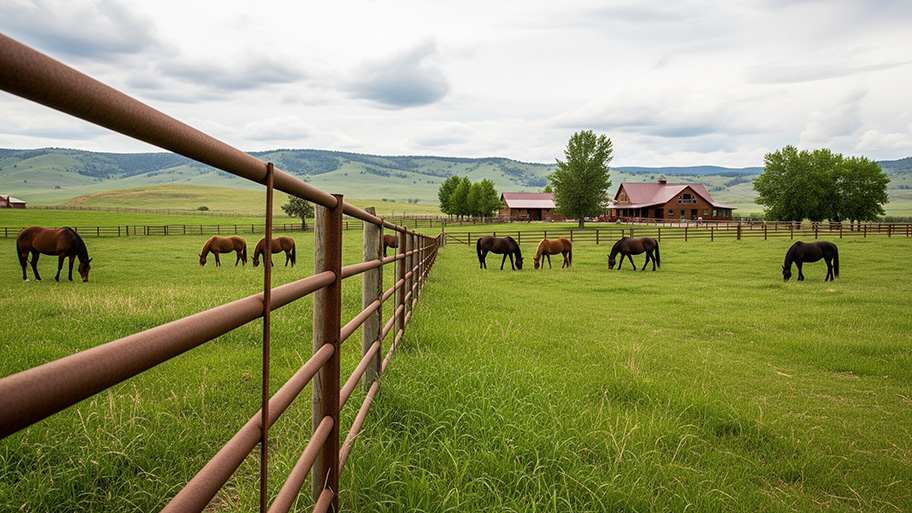
Pipe fencing is an extremely strong, durable option for containing horses and other livestock. This guide breaks down the factors that affect pipe fence cost.