Most types of lizards are active during warm summer daylight, especially when temperatures rise above 65 degrees Fahrenheit. Some lizards take cover under rocks or burrows on sweltering days to escape the heat, reemerging in the cooler afternoon. It is important to note that lizards are cold-blooded creatures that depend on their environment to regulate their body temperature.
The laws in Florida allow residents to kill iguanas on certain public lands and on private lands with landowner permission, even without a permit. Residents are encouraged to kill iguanas, a nonnative reptile seen as a pest throughout the state. Landowners are responsible for removal. Residents are not legally allowed to possess, transport, or relocate iguanas without a permit.
Skunks spray as a defense mechanism to ward off predators. The active ingredient in their sulfurous, oily musk is n-butyl mercaptan, which evaporates into a powerful and smelly gas. Once the spray hits the skunk’s target, the stench can linger for days, and water and common cleaning kits aren’t enough to wash it away.
If you happen upon a skunk in your yard, try to back away slowly to reduce the chance of them aiming at you. Encouragingly, they don’t use their weapon casually, as it can take up to 10 days for their life-saving weaponry to refill. Paw stamping, hissing, lifting their tail, and arching their back are early signs they feel trapped or under threat and that it’s time to make a careful retreat.
There are a few ways to keep pesky bugs away from your garden. One option you have is to plant flowers so beneficial insects like ladybugs can control pests for you. A similar method is companion planting, which means you’ll grow vegetables that’ll discourage pests, like garlic, onions, and basil. The best pest prevention method will depend on the bugs you have issues with and the plants in your garden.
You know if you have a skunk hole if you can smell the skunk’s musk. Skunks have a strong odor even when they aren’t spraying due to threats, and you may smell it coming from under a building or another hiding spot, such as a shrub or wood pile. They may also dig shallow holes around a lawn in search of food.
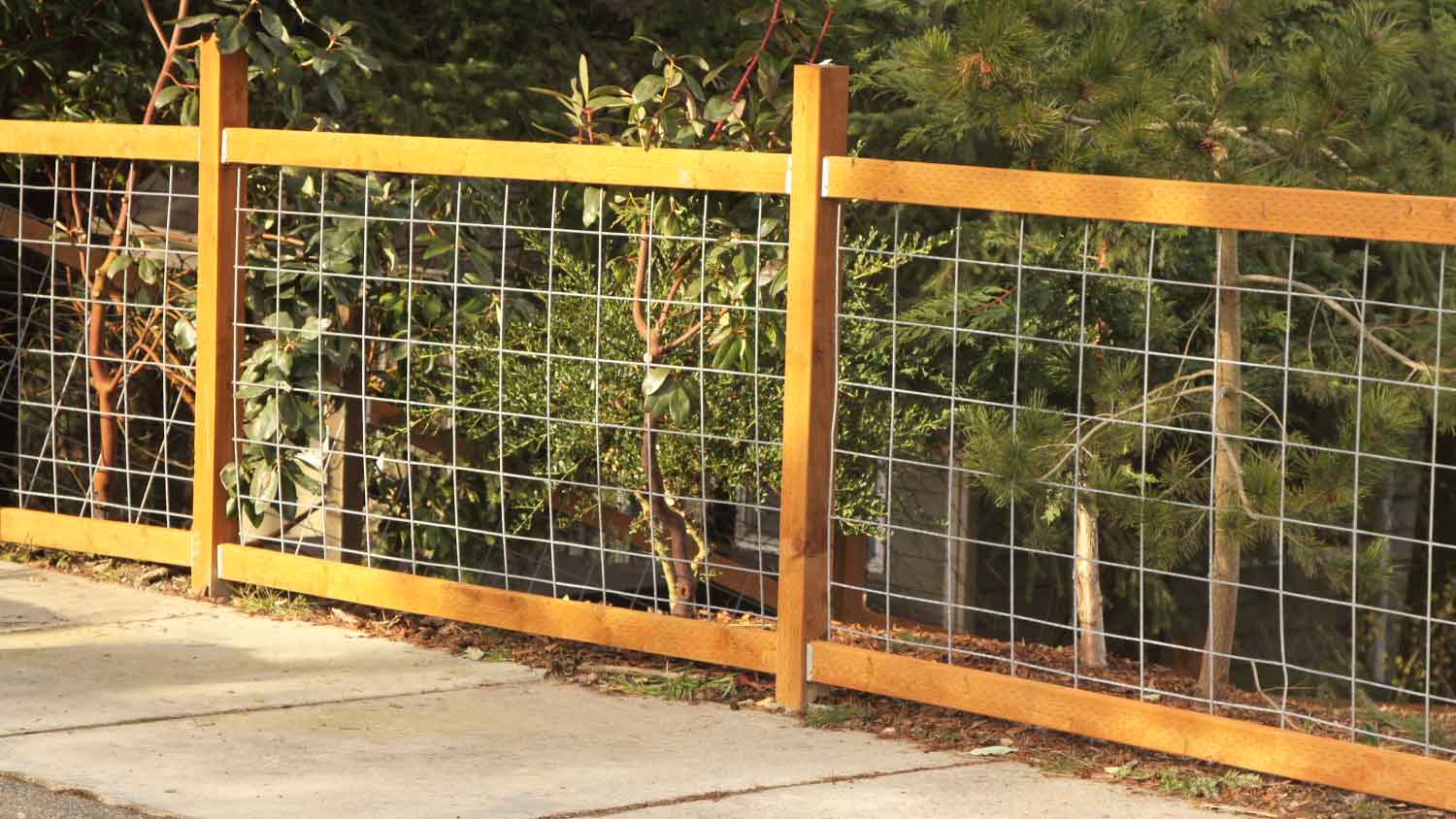
The Mott, ND homeowners’ guide to animal fencing services
From average costs to expert advice, get all the answers you need to get your job done.
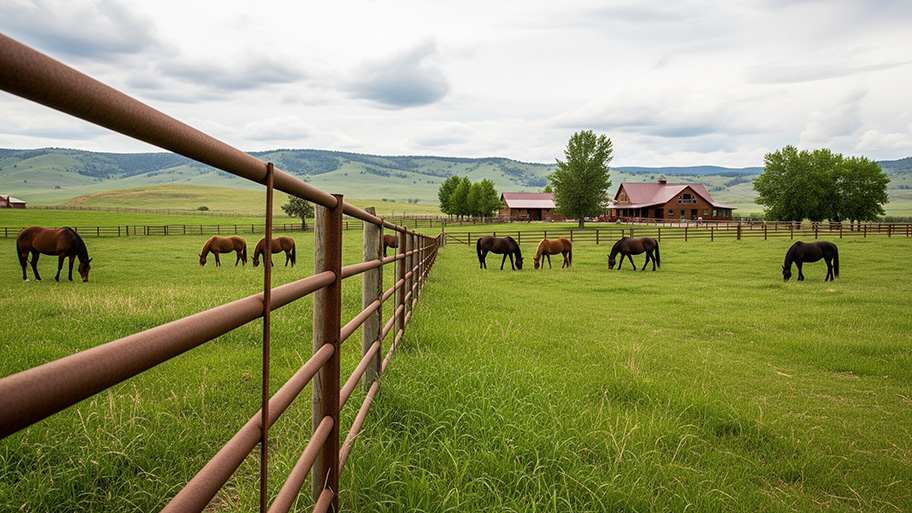
Pipe fencing is an extremely strong, durable option for containing horses and other livestock. This guide breaks down the factors that affect pipe fence cost.