"The technician emptied the freezer, which was in the basement, to work on the part that needed repair. Then he neglected to put anything back into the freezer, including a turkey I had bought for Christmas and a rack of ribs. Two days after he left, I went out of town for two weeks. The turkey actually exploded and spewed its liquid all over everything, which had to be discarded. I let AHS know and they couldn't even bother to call me or follow up on this. I'm considering not renewing my contract with them because of the quality (or lack thereof) of many of the providers they send."
Colby Enterprises, is a locally family owned and operated company with over 35 years of experience. We specialize in professional home improvement services. Our commitment is 100% guaranteed customer satisfaction on every project. Call us today, so that we can give you a free estimate and make your project come to life!
With over 40 years of experience in the Excavation industry, Helm Excavating INC is your industry expert in Bismarck and the surrounding areas. We pride ourselves on our extreme professionalism and attention to detail. Our customer satisfaction guarantee will assure you we will not leave your property until you are completely satisfied with our work. As a family owned and operated business you can trust that we will treat your home as we would treat our own. Give us a call today we look forward to working with you!
Here at W. Simpson Plumbing Services, LLC, we are a full service plumbing company for both residential and commercial. We are local, family owned and operated, and have a strong focus on customer service. We are fully licensed and ready to take on as much work as possible. Call us today for your free estimate. We look forward to meeting your home's needs.
Most home wells start at 100 feet, and many go as deep as 200 or 300 feet.
It takes quite a lot of water to meet the demands of showers, toilets, faucets, and appliances like dishwashers and laundry machines, and shallow wells struggle to provide this amount quickly. If you anticipate having high water usage in the future, it’s often better to drill slightly deeper and give yourself a bit more water storage than you need.
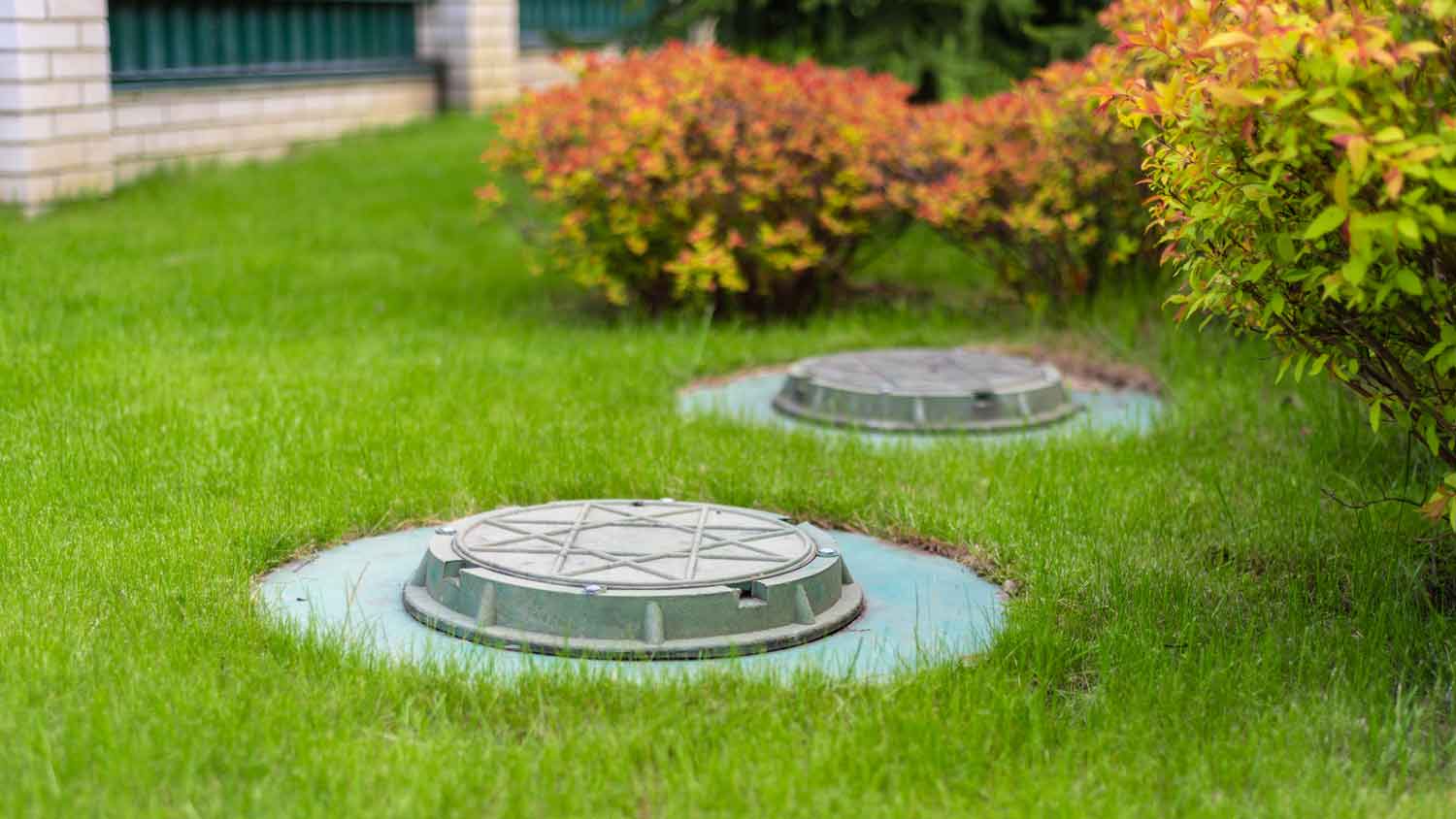
They can if they’re not installed correctly or if the caps or covers were dislodged by a lawn mower or other yard equipment. This is why it pays to hire a reputable septic tank company that’s experienced in septic tank installation and maintenance. You should also check caps and covers often to see that they’re in place and take measures to tighten or secure them, provided it is safe to do so.
Call a dedicated well and pump professional to install your new well pump. In some cases, plumbers may have the experience needed for the installation, but it’s always better to go with a specialized pro. Well and pump contractors have hundreds of hours of experience with all different types of wells and pumps.
Watch for slow drainage, pooling water in the yard, or unpleasant odors inside or outside. Addressing these issues timely avoids significant disruptions or costs.
A submersible pump should be at least 10 feet from the bottom of the well to minimize the risk of the pump drawing debris into the well water. Submersible pumps work best for wells that are 25 feet deep or less. If you have a deeper well, choose a jet pump instead of a submersible model.
The Towner, ND homeowners’ guide to septic tank services
From average costs to expert advice, get all the answers you need to get your job done.
Caring for your septic system is crucial to ensuring its long life. But how much does it cost to pump a septic tank? We explore the different cost factors.
It’s crucial to install a septic tank with the right volume to avoid wastewater backups. This guide will help you calculate the right septic tank volume.
Septic tank sizes vary depending on the size of your home, how many people live there, how much water you use, and more. Read on to learn how to determine the right size for you.