"I only use James when I need some work done to my house. He responds fast, gets the work done quicker than just about anyone else I've ever used and seems very concerned with leaving his customers happy."
The most common cause of gate sensors not working is damaged wiring. Only a professional should diagnose this because it requires working with the system's electronics. There are safety concerns, but more than that, you don't want to accidentally short out your system or cause any electrical damage. Insects, rodents, and fallen branches are common reasons your wiring could become damaged.
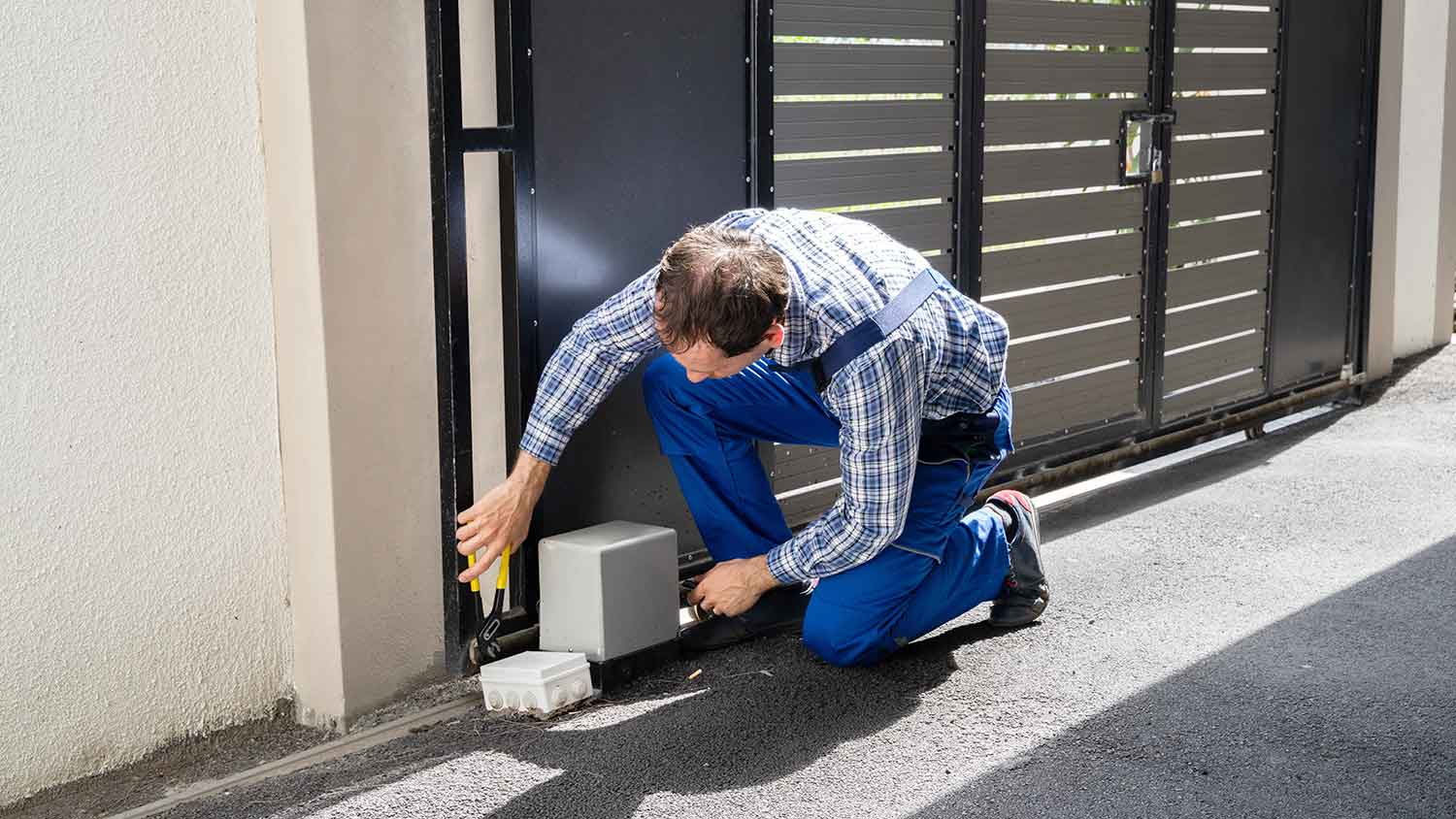
Gates are often stuck halfway due to physical blockages or damage to the rollers, wheels, or tracks the gate runs on. Check to make sure there are no obstructions before considering that the motor might be burned out or malfunctioning somehow. Hopefully, the issue is simple, and you can remove it with a broom or your hands, but if your gate is stuck and there's no obvious reason why, you should call a pro to diagnose the issue.
While entryways are seldom added to a house to increase the sale price, they are commonly constructed to increase the livability and enjoyment of a home. So, while they aren’t necessary, they do make for a more comfortable and luxurious-feeling home. Entryways are most valuable in areas of extreme heat, cold, or rain, as the space between the living area and the outdoors helps keep the outdoors outside. Plus, snow, wet boots, and mud are all corralled into one space that’s easy to clean.
Double gates come with the same gaps as single gates, with hinges taking up a quarter of an inch of space. The difference is that double fence gates also have a center gap, which needs a little more clearance. Space the center gap at half an inch instead of the usual three-eighths of an inch for a single gate.
Yes, professionals offer motorized or remote-controlled shutters for convenience and security.
The Ashley, ND homeowners’ guide to gate repair services
From average costs to expert advice, get all the answers you need to get your job done.
Gate installation costs depend on the material your gate is made of, and the type of gate you want to install. Explore all the gate installation cost factors in this guide.
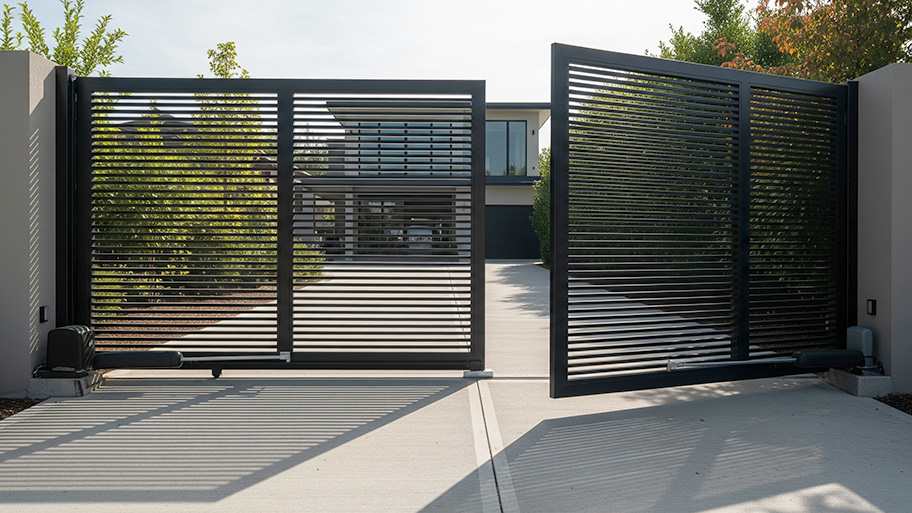
Discover the average automatic gate installation cost, key price factors, and ways to save. Get expert tips for homeowners planning a new automatic gate.
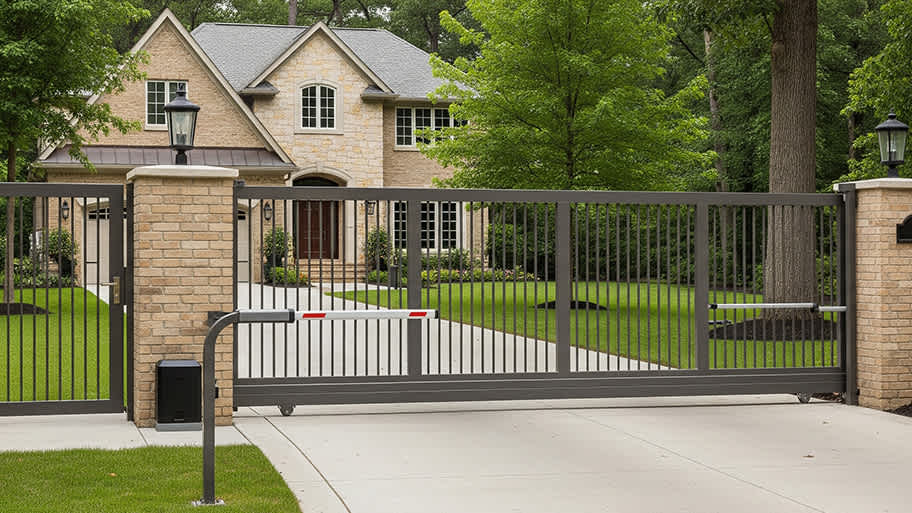
Curious about the parts of a sliding gate and how they operate? We've gathered everything you need to know if you're considering installing or repairing one.
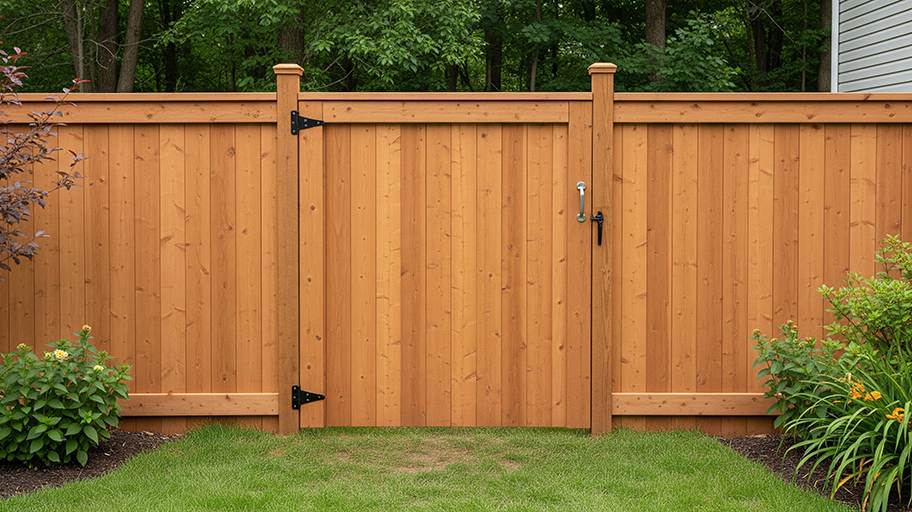
If your gate has significant space underneath, your yard isn’t fully secure. This guide offers three easy methods for how to fix a gap under a fence gate.