



Top-rated electricians.

Get matched with top electricians in Gibsonville, NC

Enter your zip and get matched with up to 5 pros

Need a pro for your electrical service project in Gibsonville, NC?

Select your specific project to find the pro for you.

TRUSTED BY GIBSONVILLE, NC HOMEOWNERS

  • Average homeowner rating star icon4.7
    Average homeowner rating
  • Verified reviews icon388
    Verified electrical services reviews

Find Electricians in Gibsonville

Avatar for Southern Accents Lighting and Electrical Contracting LLC
Southern Accents Lighting and Electrical Contracting LLC
5.0(
11
)

Serving Gibsonville, NC and surrounding areas

Approved

In business since 2019

Small jobs welcome

Credit card accepted

"Aaron has consistently delivered outstanding electrical services at my home, leaving me thoroughly impressed on several occasions. This exceptionally skilled young man stands out for his professionalism, honesty, and trustworthiness. Far beyond a mere handyman, Aaron possesses a remarkable ability to tackle even the most intricate electrical challenges with remarkable ease and absolute confidence. He ensures peace of mind by strictly adhering to all safety codes, guaranteeing not just a job well done but perfection achieved at an incredibly fair price. Despite my high standards and keen eye for detail, I've found his workmanship flawless. Aaron undoubtedly earns a five-star rating from me, along with my enthusiastic endorsement for anyone in need of top-tier electrical services. Your satisfaction is guaranteed with Aaron at the helm of your electrical projects."
5 neighbors recently requested a quote

Recommended by100%of homeowners
Avatar for Hamilton LP Lightning Rods
Hamilton LP Lightning Rods
5.0(
11
)

Serving Gibsonville, NC and surrounding areas

Approved

In business since 1964

Free estimates

Offers commercial services

"Customer service was outstanding, from initial estimate to completion of project everything was done to the highest level of quality and courtesy. I'm thankful to have hired Hamilton Lightning Protection to keep my family safe from the threats of lightning."
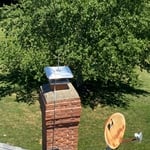
Chimney rod and conductor cable
Front of home,system is barely noticeable
Hiding the cables best we can
Rear of home
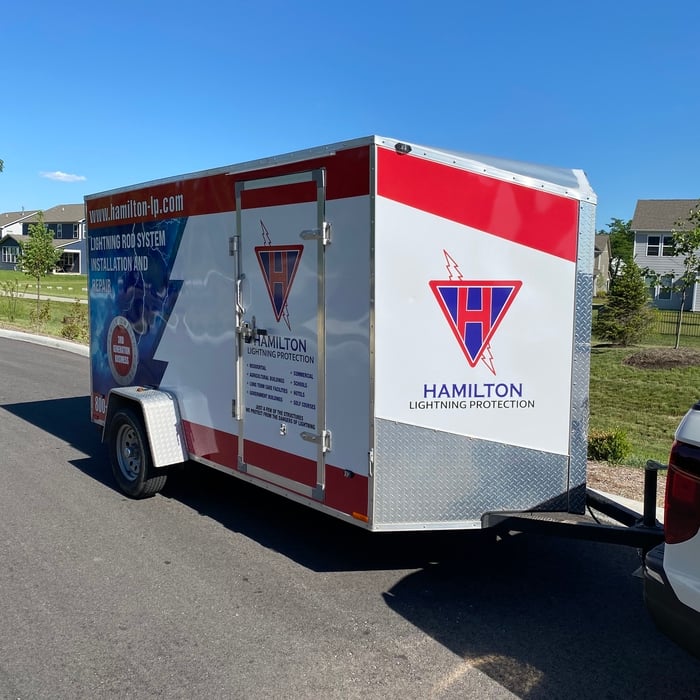
Work trailer

+4

Response time1 day
38 neighbors recently requested a quote
Recommended by100%of homeowners
...
Showing 1-10 of 279
Electrical questions, answered by experts

Ultimately, the best device depends on what you’re measuring. A voltmeter only measures volts, while a multimeter measures volts, current, resistance, humidity, and possibly much more, depending on the model. If you think you’ll need to measure more than volts, consider investing in a multimeter so you have a tool that can help you with various household projects.

Yes, a bad switch can cause other outlets not to work. If the switch is part of a circuit that controls multiple outlets, a fault in the switch can disrupt the entire circuit. It can happen if the switch is wired incorrectly, has a loose connection, or is damaged. Fixing or replacing the faulty switch can often restore power to the affected outlets

Most electric water heaters have a built-in shut-off switch, so you can simply turn that to the OFF position. Some water heaters have the switch inside a panel, so you might need to unscrew the panel, remove it, move aside the insulation, and then shut the water heater off. To make sure it’s off, you can also locate the switch for your water heater in your electrical panel and shut the power off there. Most electrical panels have dedicated switches for the water heater, so you can shut off the power without affecting the rest of your home.

Most people don’t think twice when using loose outlets, but they are a safety hazard. Loose outlets can cause issues with the flow of electricity in your home, resulting in electricity jumping from one connection point to another. When this happens, it can cause a spark that could start an electrical fire in your walls.

Choosing between 12- or 14-gauge wire for your house depends on the electrical requirements of the circuit. A 12-gauge wire is thicker and can handle more power, making it better suited for devices such as kitchen appliances, air conditioning units, or electric heaters.

A 14-gauge wire is thinner and can handle less electrical current than a 12-gauge wire. It's ideal for circuits with lower power requirements, such as lighting or general-purpose outlets in bedrooms or living rooms.

The Gibsonville, NC homeowners’ guide to electrical services

From average costs to expert advice, get all the answers you need to get your job done.