



Top-rated electricians.

Get matched with top electricians in Red Springs, NC

Enter your zip and get matched with up to 5 pros

Need a pro for your electrical service project in Red Springs, NC?

Select your specific project to find the pro for you.

TRUSTED BY RED SPRINGS, NC HOMEOWNERS

  • Average homeowner rating star icon4.6
    Average homeowner rating
  • Verified reviews icon207
    Verified electrical services reviews

Find Electricians in Red Springs

Avatar for W B Lightning Rods
W B Lightning Rods
4.6(
372
)
Lightning Protection - Install or Repair

Serving Red Springs, NC and surrounding areas

Approved

In business since 2001

Free estimates

Warranties offered

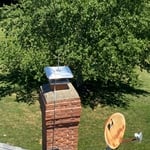
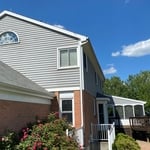
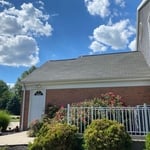
"We have been hit twice by lightning by God's grace either one hit our home however the last strike burnt art motorhome to the ground William was hired to install lightning protection lightning rods on our home and two out buildings he took the time to explain to us everything we needed to know answering every question professionally conducted himself in the utmost professional manner I would highly recommend lightning rods and even more highly recommended hiring William to do the job we are going to do an expansion later on and he will be the one and only contractor I will call to continue our lightning protection"
lightning protection
 Residential LPS
lightning protection
 Residential LPS
lightning protection

+79

Response time1 day
184 neighbors recently requested a quote
Recommended by96%of homeowners
...
Showing 1-10 of 168
Electrical questions, answered by experts

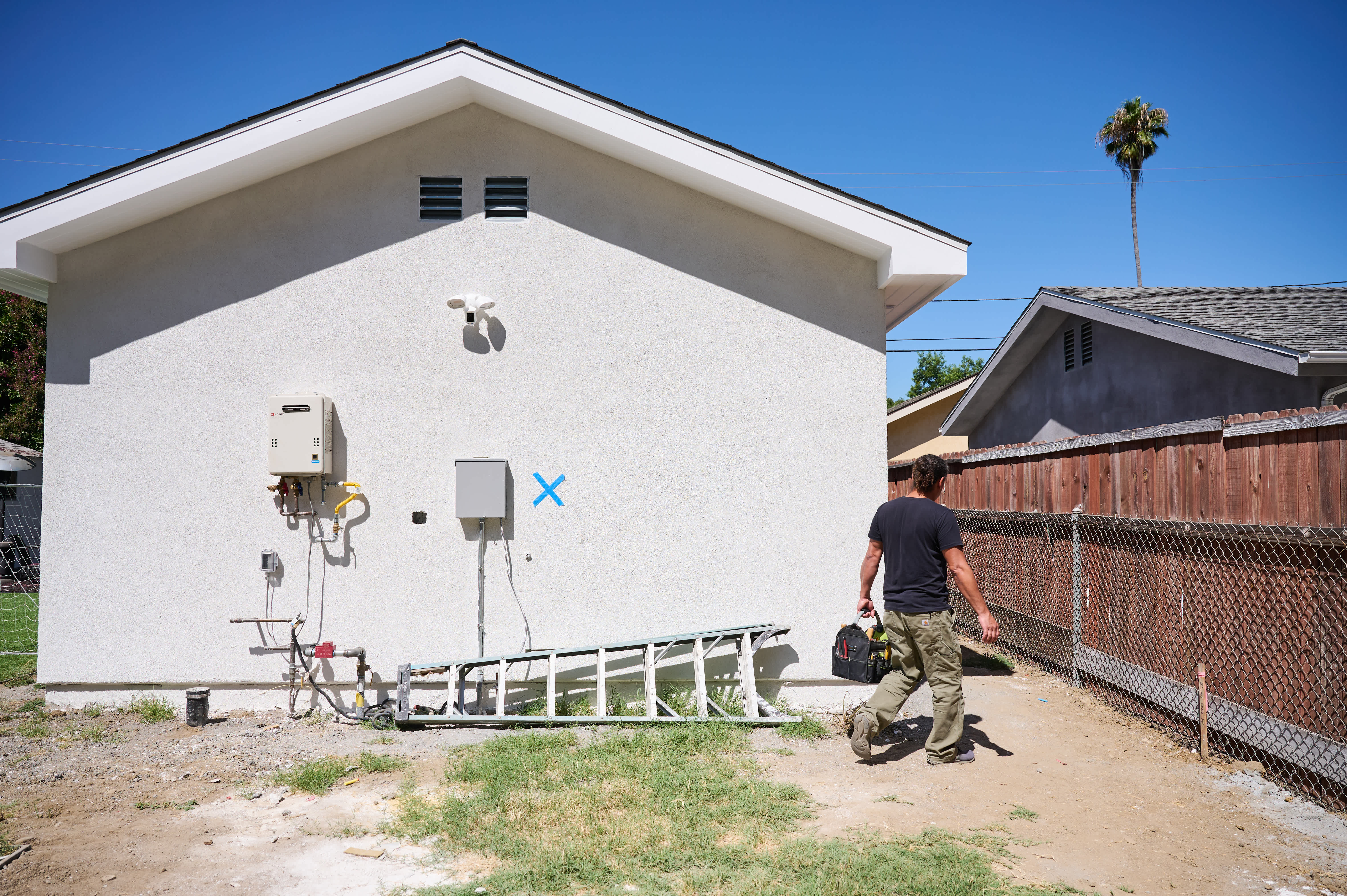
Outdoor outlets should be at least 15-amp, but preferably 20-amp. The exact rating will depend on the electrical load of the devices that will be plugged into the outlet and the capacity of the circuit. It's important not to overload the circuit, which can cause safety hazards such as tripped breakers or electrical fires. In general, a circuit rated for at least 20 amps is recommended for outdoor outlets, while each outlet should be rated for at least 15 amps.
The most common gauge for indoor outlets around your home is 12- and 14-gauge wires. But if you’re working with larger appliances like ovens, washing machines, or dryers (all of which require more amplitude), you might find 10-, eight-, or six-gauge wires to help support those hefty appliances.
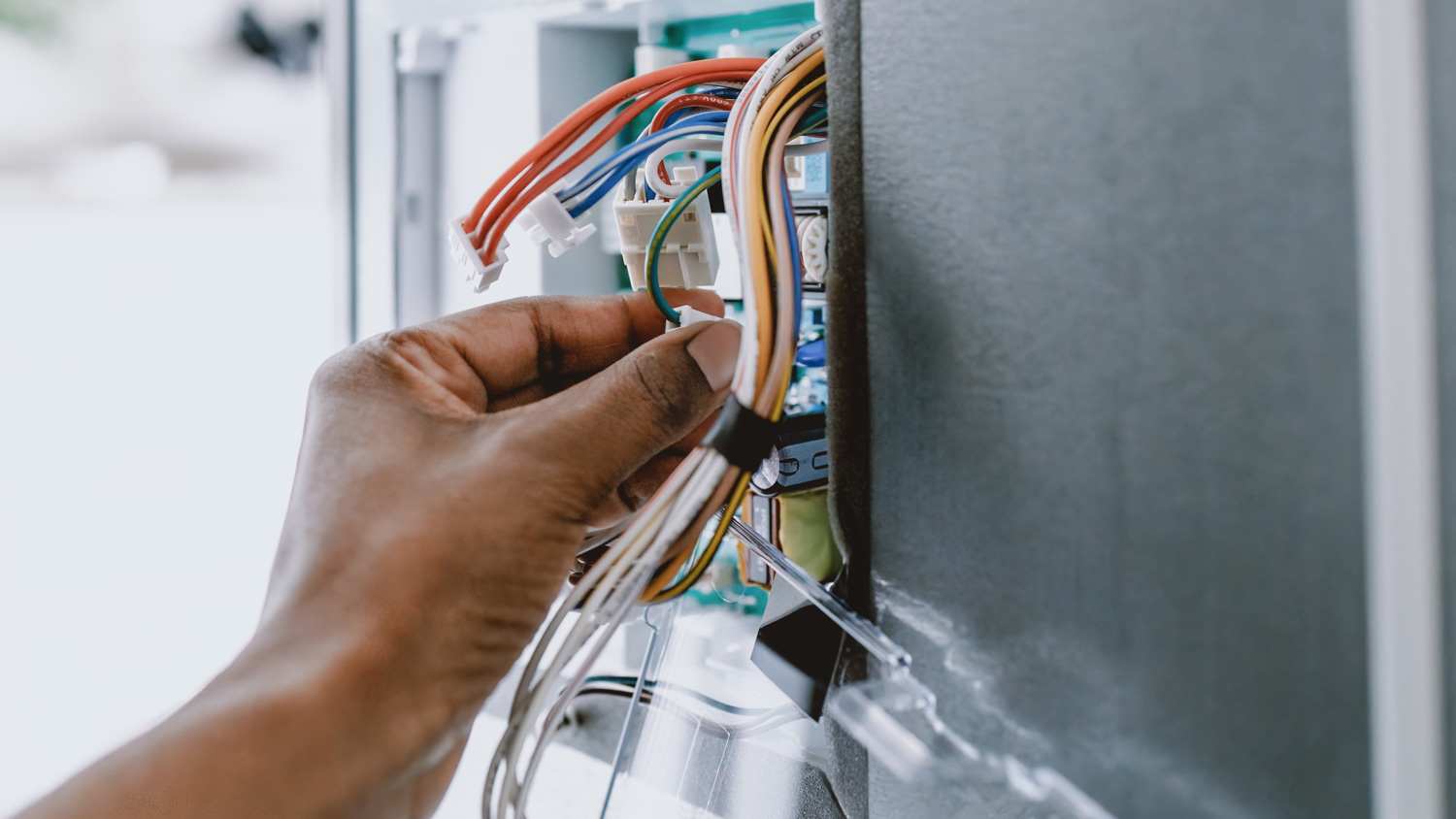

While some doorbells go silent, others will ring constantly or randomly when they are on the fritz. A doorbell can ring continuously for a few reasons. The button may be stuck in the "on" position, causing the bell to sound repeatedly. Alternatively, one of the wires could have come loose and is touching a metal surface, causing the bell to short circuit and keep making noise.

To upgrade electrical systems in older homes, you might need to reroute new wires with lath and plaster walls. That’s because it’s more challenging to get inside the walls of an older home compared to a modern home, which usually uses drywall. But there are easier ways to level up your electrical game in an older home. For instance, you can swap out an old furnace for a new electric heat pump, or you could use a heat pump for water heating.

For most applications, you won’t need a neutral for 240V. There are certain codes and regulations that differ between areas so just because you technically may not need one in order for the device to function properly, it may still be a local requirement. Professionals in your area know the requirements, which is just another reason to hire one instead of taking on a project that is frankly not very DIY-friendly.

The Red Springs, NC homeowners’ guide to electrical services

From average costs to expert advice, get all the answers you need to get your job done.