



Top-rated radon detection and reduction specialists.

Get matched with top radon detection and reduction specialists in Vanceboro, NC

Enter your zip and get matched with up to 5 pros

Need a pro for your radon detection and reduction project in Vanceboro, NC?

Select your specific project to find the pro for you.

Find Radon detection and reduction specialists in Vanceboro

Avatar for Elite Home Inspections, LLC
Elite Home Inspections, LLC
5.0(
12
)
Radon Gas - Testing

Serving Vanceboro, NC and surrounding areas

Approved

In business since 2025

Free estimates

Small jobs welcome

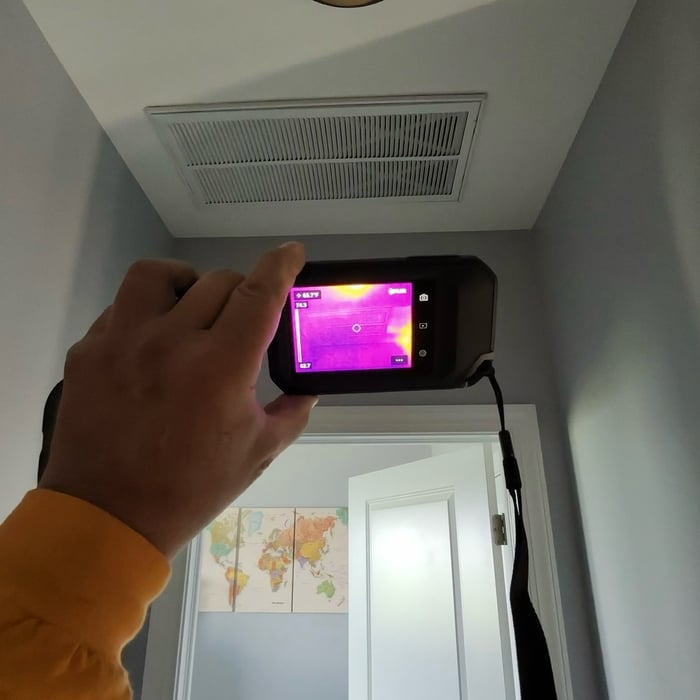
"April helped us line up a last minute inspection for a new build for us. They were extremely thorough and found a few significant problems that we were able to take to the builder. They included lots of photos of the issues which was helpful. They used thermal imaging too which was new to us but helps detect problems that may not have been seen otherwise. We got our report along with a summary the next day and had excellent communication and follow through. We will definitely use them in the future and highly recommend."
4 neighbors recently requested a quote
M&D Property Solutions
4.5(
23
)
Radon Gas - AbatementRadon Gas - Testing

Serving Vanceboro, NC and surrounding areas

Approved

In business since 2017

Emergency services offered

Warranties offered

"Needed fencing installed to keep groundhogs from taking up residence under our deck. Brady came up with a creative and complete solution that made sure the varmints were out and would not return. Would use again."
Master bedroom
Master bedroom
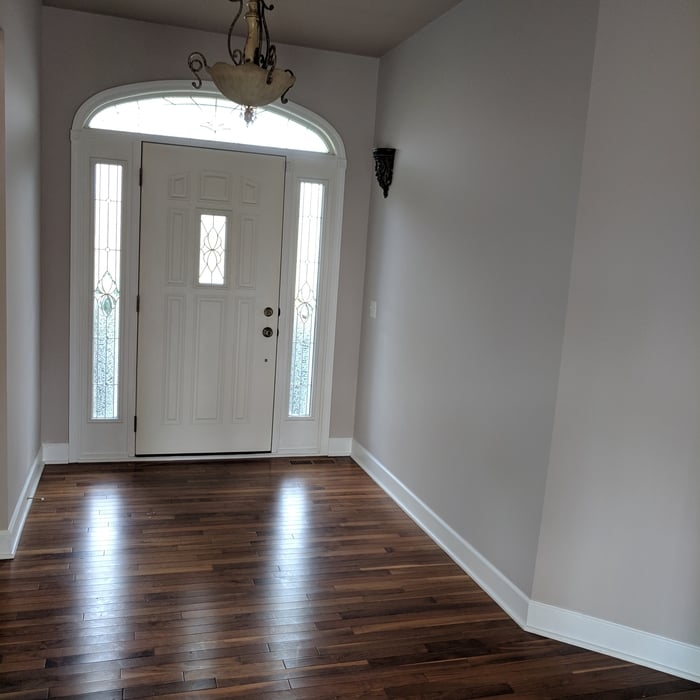
Front hall
Living area
Entry

+10

Response time1 day
2 neighbors recently requested a quote
Recommended by100%of homeowners
Radon Detection and Reduction questions, answered by experts

Abatement includes sealing entry points and venting with systems that reduce radon levels below recommended EPA limits. It is handled by certified professionals.

The average radon mitigation system uses about 876 kWh of electricity per year, although the exact amount of electricity used will vary depending on the size of the radon fan. Once the system is installed, the annual increase to your energy bill could range from $30 to $300 per year, again depending on the size of the fan.

No level of radon is technically safe, but since it is naturally present everywhere, it is impossible to avoid entirely. The average radon level in homes across the United States is 1.3 picocuries per liter (pCi/L). The Environmental Protection Agency (EPA) recommends taking action to reduce radon levels if your home's test results are between 2 and 4 pCi/L or higher.

Your radon mitigation system may be loud because it’s time to replace it. Any sounds are usually from the inline fan that helps create the vacuum and resulting airflow. If you hear a new, loud mechanical or humming noise from your radon fan, it might be time to replace it. Most fans used in radon mitigation systems last up to 10 years, but may need to be replaced sooner.

Radon enters your home when warm air begins to rise and exits through the roof, creating a vacuum that pulls cooler air from under the foundation. Part of that air is radon, which is an invisible, odorless gas that develops naturally when radioactive particles are deep within the ground. Those particles usually come from decaying matter in soil and rocks.

The Vanceboro, NC homeowners’ guide to radon detection and reduction services

From average costs to expert advice, get all the answers you need to get your job done.