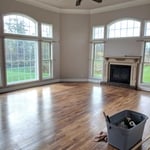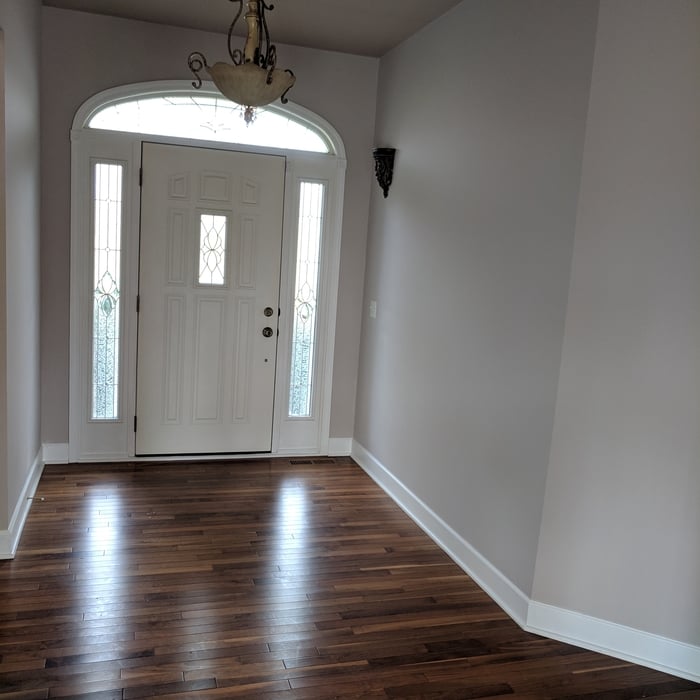

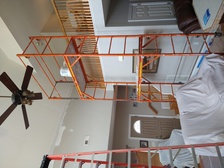

Top-rated drywall pros.

Best drywall pros near Mooresboro, NC

Enter your zip and get matched with up to 5 pros

Need a pro for your drywall service project in Mooresboro, NC?

Select your specific project to find the pro for you.

Top-Rated Drywall pros in Mooresboro - Updated Nov 2026

Avatar for Straight Edge Painting Pros
Straight Edge Painting Pros
5.0(
71
)
Drywall - InstallDrywall - Install - For BusinessDrywall - Repair+1 more

Serving Mooresboro, NC and surrounding areas

Approved

In business since 2014

Free estimates

Emergency services offered

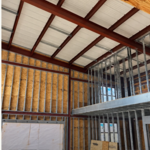
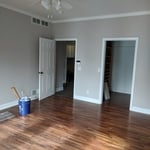
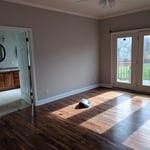
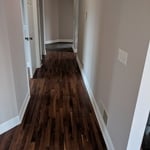
"Straight Edge Painting Pros guys did awesome. It was exactly what I had imagined. Wes was very helpful in stating having the drywall ready for paint included priming and repairing imperfections which took an extra day. The guys took the time to make sure the drywall is perfect and ready for me to paint and also installed new baseboards."
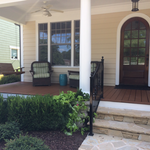
Additional Photos
Additional Photos
Additional Photos
Additional Photos
Additional Photos

+3

Response time7 hrs
2 neighbors recently requested a quote
Recommended by88%of homeowners
Avatar for Integral Drywall Services
Integral Drywall Services
5.0(
2
)
Drywall - InstallDrywall - Repair

Serving Mooresboro, NC and surrounding areas

Approved

Free estimates

With over 10 years of experience serving the Flat Rock area, Integral Drywall Services is your solution for all your Drywall needs. We take great pride in our extreme professionalism, timeliness and superior customer service on every job. We make sure to develop a lasting relationship so that the next time service is needed there will be no question on who to call. Call us today! Satisfaction guaranteed.

Photos
2 neighbors recently requested a quote
Nava Bros Construction
0.5(
1
)
Drywall - InstallDrywall - Install - For BusinessDrywall - Repair - For Business

Serving Mooresboro, NC and surrounding areas

Approved

In business since 2016

Free estimates

We're a locally owned and operated company that values honesty and integrity and treats your home as if it were our own. We offer a variety of general contractor home improvement services that are customizable to each individual project. We specialize in additions and kitchen remodels, but also offer a wide range of expertise for a variety of other projects. We pride ourselves on the quality of our work as well as our commitment to outstanding results. We look forward to building lasting relationships and guarantee your satisfaction!

Response time5 hrs
...
Showing 1-10 of 191
Drywall FAQs, answered by experts

Plastering and skimming are two different techniques for finishing walls. Plastering involves applying a thick layer of a plaster mixture—typically containing gypsum, lime, cement, sand, and water—to create a new surface. This process often requires multiple coats and is used for repairing significant damage or creating decorative textures. Skimming, on the other hand, is a technique that involves applying a thin layer of drywall compound or joint compound over an existing surface to smooth it out, covering minor imperfections, small cracks, or uneven textures for a polished look. Plastering is generally more costly and labor-intensive than skimming. Although some people use the terms interchangeably, they refer to different processes and materials.

Wet-sanding and dry-sanding each have pros and cons. Dry-sanding is less messy, so it’s a good option if you’re trying to minimize dust (for example, if you’re sanding an occupied home or working with particularly dry or dusty drywall mud). However, dry-sanding is quicker because you don’t have to keep rinsing a sponge or wait for it to dry before painting.

If the holes in the plaster are small, you can fill them with layers of patching plaster until they’re filled. After it dries, you can sand the plaster and paint over it. If the hole is much larger, consider using bonding plaster first and then a layer of patching plaster, completing the process with sanding and a layer of paint.

Although they have similar applications, spackle and joint compound are not the same. Their primary differences lie in their composition, consistency, and ideal use cases.

Spackle is composed of gypsum and binding agents, making it thicker than joint compound. It dries quickly and is easy to sand, which makes it ideal for small wall repair projects like filling nail holes or patching minor damage.

Joint compound, also known as drywall mud, consists of limestone and gypsum. It is primarily used for large-scale projects, such as taping and finishing the seams on newly installed drywall. It tends to shrink more than spackle and can be more difficult to spread.

While both products can be used to fill small depressions and cracks, spackle cannot replace joint compound for taping and mudding new drywall. Conversely, you can often use joint compound for small patching jobs typically done with spackle.

Drywall tape is made of paper, while drywall mesh is made of fiberglass or metal. Drywall mesh patches are suitable for repairing small holes in drywall, while paper drywall tape holds a crease better for corners. You need joint compound to adhere drywall tape to the wall, while mesh patches may be self-adhesive.

The Mooresboro, NC homeowners’ guide to drywall services

From average costs to expert advice, get all the answers you need to get your job done.