




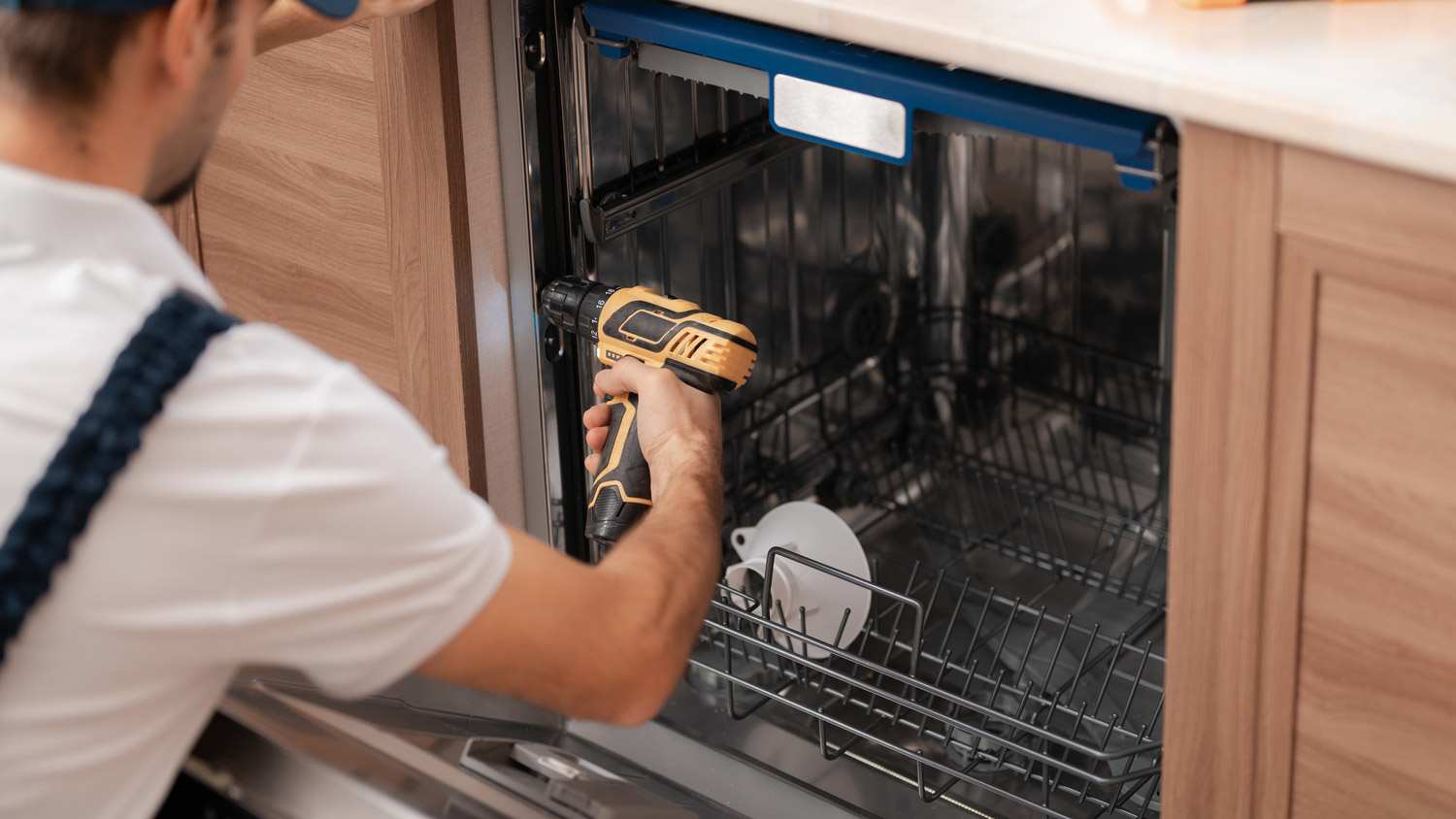
Top-rated dishwasher installation pros.

Get matched with top dishwasher installation pros in Matthews, NC

Enter your zip and get matched with up to 5 pros

TRUSTED BY MATTHEWS, NC HOMEOWNERS

  • Average homeowner rating star icon4.6
    Average homeowner rating
  • Verified reviews icon2.2k+
    Verified dishwasher installation services reviews

Find Dishwasher installation pros in Matthews

No results for Dishwasher installation pro in

Try adjusting your search criteria.
Dishwasher Installation questions, answered by experts

Local plumbing codes and manufacturer recommendations typically dictate the minimum distance between a sink and a dishwasher. This is generally 18 to 24 inches, providing enough room for easy loading and unloading of dishes without hindering the sink's function. Maintaining this separation not only adds convenience but also reduces the chances of water damage and optimizes plumbing connections.

While the exact appearance of the filter will depend on your dishwasher brand, it often consists of a cylindrical or rectangular mesh or plastic component. The filter is located at the bottom of the dishwasher beneath the lower spray arm. It includes a combination of a coarse filter, which traps larger food particles, and a finer filter, which captures smaller debris. The filter assembly may be a single unit or a multi-part system that can be twisted or snapped out for cleaning.

If your dishwasher keeps filling with water at the bottom but doesn’t fill into the sink, the issue is likely due to a blockage within the dishwasher or drain. Regularly clean your dishwasher filter basket to ensure it’s not clogged with food, and run a vinegar rinse periodically if you have hard water to remove limescale buildup.

Dishwashers should be cleaned a minimum of once every 3 months, but really it should be done monthly. This is to prevent germ buildup and will help keep your machine running smoothly. Dishwasher maintenance isn’t too difficult, you’ll simply clean the filter, wipe down the spray arms with vinegar or rubbing alcohol, and run the cycle on empty. If there is any debris, you can remove it with a small metal pick. Do not use wood as the tip can break off inside the machine.

You should avoid using a pressure washer on any surface or item that could be damaged by the high-pressure spray, as some materials are too delicate to withstand the force.

Key items and surfaces to avoid include:

  • Electrical Components: Never pressure wash electrical systems, as water can cause short-circuits and create a safety hazard. This includes utility meters, breaker boxes, electrical outlets, generators, and HVAC or air conditioner units.

  • Delicate and Fragile Materials: Fragile items can crack, shatter, or be stripped by the pressure. Avoid pressure washing windows, glass, light fixtures, shingled roofs (especially asphalt), and stucco.

  • Painted, Stained, or Sealed Surfaces: Unless your goal is to strip the finish, do not pressure wash painted surfaces, stained wood (like decks), or anything with a protective seal that could be stripped away. Be especially cautious with older surfaces that may contain lead paint.

  • Soft Woods and Certain Decking: Delicate surfaces like softwood, composite decking, and antique or wooden patio furniture can be etched or damaged. If you must wash wood, use a lower-powered pressure washer with a wide-angle nozzle to prevent damage.

  • Living Things: Never use a pressure washer on people, pets, or plants. The force can cause serious injury and will destroy landscaping.

The Matthews, NC homeowners’ guide to dishwasher installation services

From average costs to expert advice, get all the answers you need to get your job done.