




Top-rated excavation pros.

Get matched with top excavation pros in Walkertown, NC

Enter your zip and get matched with up to 5 pros

Need a pro for your excavation project in Walkertown, NC?

Select your specific project to find the pro for you.

TRUSTED BY WALKERTOWN, NC HOMEOWNERS

  • Average homeowner rating star icon4.8
    Average homeowner rating
  • Verified reviews icon25
    Verified excavation services reviews

Find Excavation pros in Walkertown

Avatar for Greener Horizons Enterprises
Greener Horizons Enterprises
4.8(
14
)
Building Site - Preparation and ClearingLandscape - Minor Grading or Resloping

Serving Walkertown, NC and surrounding areas

Approved

Super Service Award Winner

In business since 2021

Free estimates

Emergency services offered

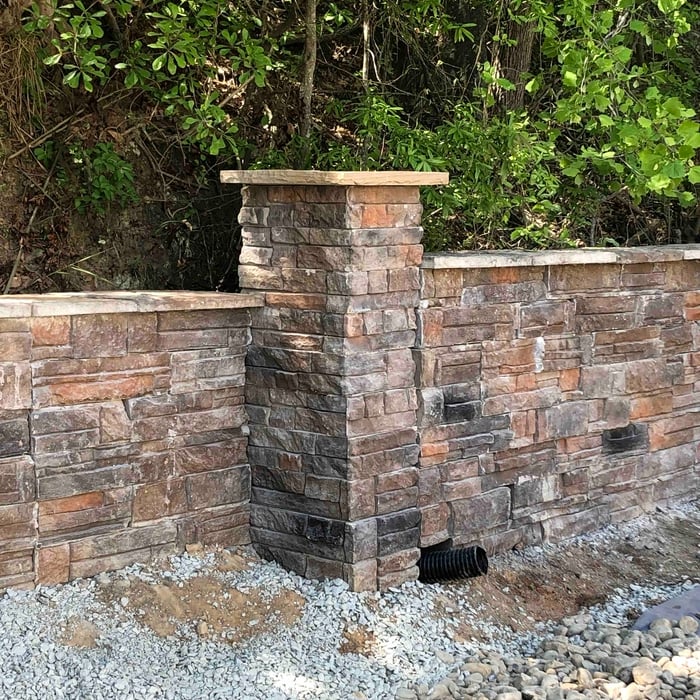
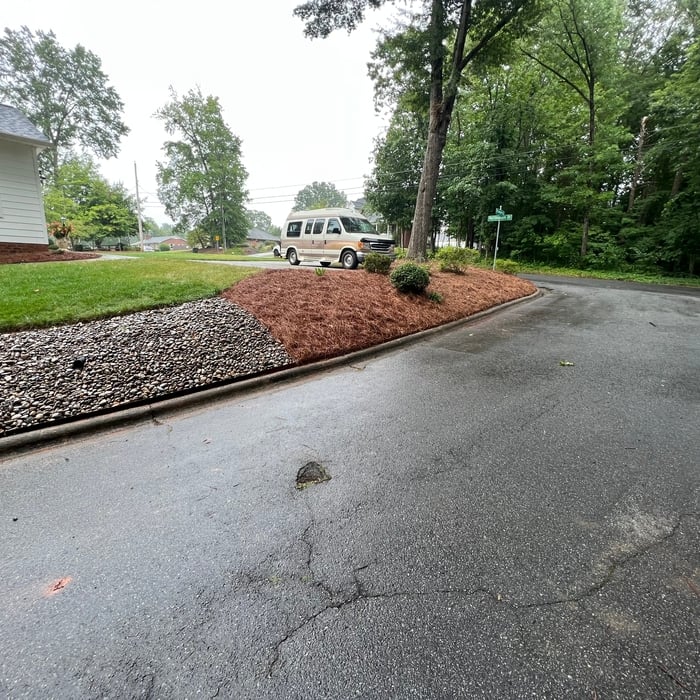
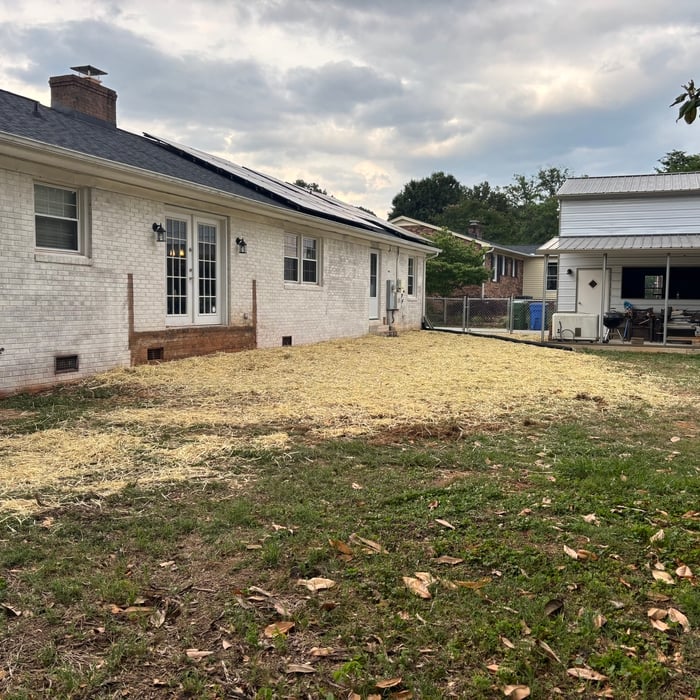
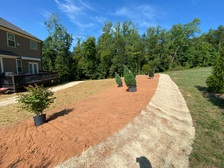
"Green Horizons installed underground piping for my downspouts to help address erosion from runoff during rainstorms and also installed decorative landscaping. Ethan communicated regularly during the project and finished the entire job quickly and with minimal disturbance to the rest of the yard. Super professional and the end result looks great."
land development
Response time3 days
1 neighbors recently requested a quote
...
Showing 1-10 of 160
Excavating questions, answered by experts

A crawl space can be as little as 42 inches below the grade of your house, but this is not always recommended in flood-prone areas. At a minimum, there must be at least 16 inches of clearance between the ground and the floor joists to access the space in an emergency.

Trenches are typically 12 to 24 inches deep and 8 inches wide. However, the required depth depends on the specific project and local ordinances. For example, a French drain may need to be 18 inches deep, while a water pipe might require a depth of 24 inches and a drainage pipe 36 inches. Your city or county may have specific regulations, so it's wise to consult with an excavation professional to determine the correct depth for your project.

Sewer lines can be buried anywhere from 18 inches to 8 feet deep, with a common average depth between 18 and 30 inches. The exact depth depends on local factors like climate and soil type. In colder regions, pipes must be buried deeper (below the frost line) to prevent freezing, sometimes as deep as 8 feet. The digging depth can also impact the cost of sewer line replacement. To find the specific depth for your property, you can check the building plans for your system, which should be on file with your city or local sanitation department since permits are required for installation.

Excavation and grading are both generally necessary for designing your foundation, and leveling the ground where your foundation will go. These steps can also prepare the area by removing vegetation and anything else that could interfere with your home’s foundation.

If you have a broken sprinkler pipe underground, there will be some signs you can easily spot to locate it and take action. These include leaks, water spouts, flooding, consistently damp areas on your lawn, low water pressure, and grass around the sprinkler head that’s taller and darker than anywhere else in the yard. 

If there are no obvious signs of a broken pipe, you can use tools such as water leak mics, leak noise loggers, audio devices that record leaks, and acoustic testing links. 

Broken pipes can lead to uneven watering, plant damage, and higher utility bills. The longer you wait to fix them the more the repair cost may be.

The Walkertown, NC homeowners’ guide to excavation services

From average costs to expert advice, get all the answers you need to get your job done.