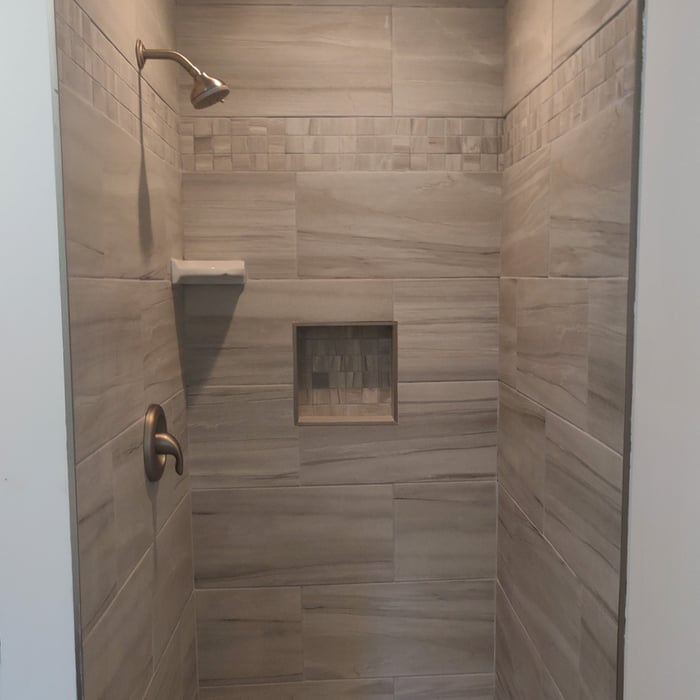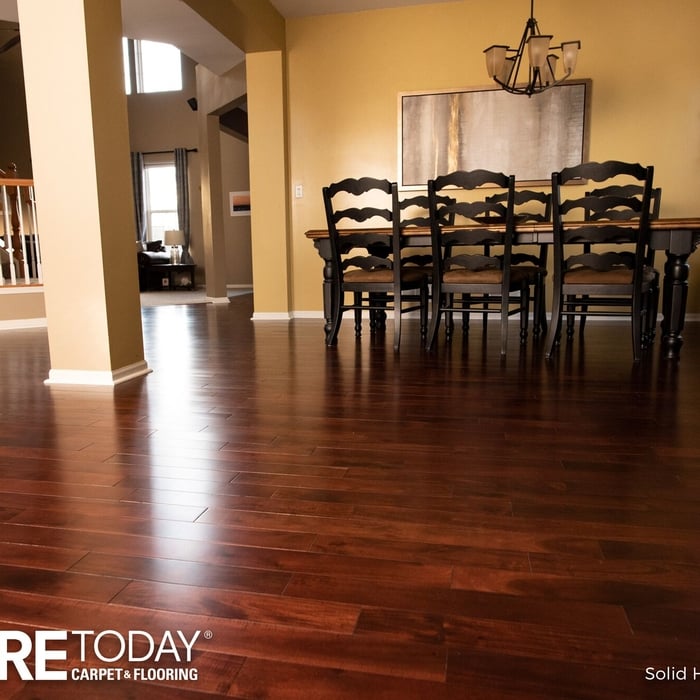




Top-rated ceramic tile pros.

Get matched with top ceramic tile pros in Granite Falls, NC

Enter your zip and get matched with up to 5 pros

Need a pro for your ceramic tile service project in Granite Falls, NC?

Select your specific project to find the pro for you.

TRUSTED BY GRANITE FALLS, NC HOMEOWNERS

  • Average homeowner rating star icon4.5
    Average homeowner rating
  • Verified reviews icon51
    Verified ceramic tile services reviews

Find Ceramic tile pros in Granite Falls

...
Showing 1-10 of 110
Ceramic Tile questions, answered by experts

Different types of tile cutters may work best depending on the type of tile you are cutting and the size of your project. There are two main types of tile cutters: manual and electric. Manual tile cutters are quick and easy to use for small projects and softer tile materials, but they can only make straight cuts. Electric tile cutters make light work of big projects and can cut through harder materials.

Yes, but you should only put tile directly on drywall in smaller areas that don’t experience excess moisture. For example, a small kitchen tile backsplash could work, but installing tile directly on the drywall in a bathroom or other chronically damp area is not a good idea. Either way, a cement backer board is a far more reliable solution, as drywall is susceptible to moisture and can warp or cause your tiles to crack.

If you hire a professional to lay tile, you can expect to pay $3 to $15 per square foot for labor. For a 100-square-foot tiling project, that would equal $30 to $150 in labor. These costs may increase if you need extra services (such as tile removal, wall repair, or waterproofing). For example, tile removal costs an additional $2 to $7 per square foot.

When working on your bathroom floor tiling, you should always tile the floor first and then refit the toilet afterward. This has both practical and visual advantages—the tile will have a better seal, and the installation will look cleaner.

On the other hand, when you try to cut the tiles to fit around the toilet, you’re putting yourself at a disadvantage. It’s a lot more work, it’s hard to be precise, and mistakes or miscalculations can lead to future moisture damage to the tiling, grout, and subfloor.

The lifespan of tile flooring can vary significantly based on the material and maintenance. Generally, tile flooring can last anywhere from 10 to 30 years, but high-quality, well-maintained ceramic tile can last 75 to 100 years. To achieve a longer lifespan, you should clean the tiles and grout regularly, reseal the grout annually, keep the floor dry, and avoid placing extremely heavy items on it to prevent cracking. Choosing a high-quality tile (Grade 1) will also contribute to its longevity.

The Granite Falls, NC homeowners’ guide to ceramic tile services

From average costs to expert advice, get all the answers you need to get your job done.