





Top-rated fire pit installation pros.

Get matched with top fire pit installation pros in Glen Alpine, NC

Enter your zip and get matched with up to 5 pros

Need a pro for your fire pit installation project in Glen Alpine, NC?

Select your specific project to find the pro for you.

TRUSTED BY GLEN ALPINE, NC HOMEOWNERS

  • Average homeowner rating star icon4.4
    Average homeowner rating
  • Verified reviews icon92
    Verified fire pit installation services reviews

Find Fire pit installation pros in Glen Alpine

No results for Fire pit installation pro in

Try adjusting your search criteria.
Fire Pit Installation questions, answered by experts

You should schedule a fireplace inspection at least once a year, per the National Fire Protection Association (NFPA). However, this is the minimum requirement even if you’re diligent with fireplace maintenance between uses. If you suspect your fireplace is malfunctioning, schedule one sooner to avoid fire hazards or the release of harmful emissions like carbon monoxide in your home.

There aren’t many problems with fire doors except that they slow down or cut off ventilation at the higher rating levels. For this reason, work with a professional to ensure you have adequate ventilation throughout your house or workspace. The sealing around a fire door is meant to allow for a specific amount of ventilation and will need regular inspections to ensure adequate airflow.


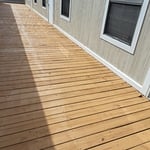
Yes, it is generally safe to have a fire pit on a deck, but you must adhere to building codes and take several safety precautions. For both built-in and freestanding models, you must use a heat-resistant barrier, such as a fire pit pad or heat shield, between the pit and the deck. Additionally, consider the weight of the fire pit and ensure your deck can structurally support it, reinforcing it if necessary. The fire pit must also be positioned a safe distance from your house, particularly from materials like vinyl siding, to prevent heat damage.

You should have either an ABC or K-rated fire extinguisher in the kitchen. ABC fire extinguishers put out wood, trash, paper, plastic, and textile fires along with grease, oil, gas, kerosene, and electrical fires. A class K fire extinguisher is specifically rated for use in the kitchen and is designed to extinguish combustible cooking materials, including grease and fat. 

Yes. Not only do gas stoves present the risk of a gas leak, but cooking with gas produces twice as much harmful particulate matter. According to Columbia University’s Climate School, gas stoves can also release formaldehyde, a known human carcinogen, and carbon monoxide, which can be toxic in high concentrations.

The Glen Alpine, NC homeowners’ guide to fire pit installation services

From average costs to expert advice, get all the answers you need to get your job done.