


Top-rated electricians.

Get matched with top electricians in Elon, NC

Enter your zip and get matched with up to 5 pros

TRUSTED BY ELON, NC HOMEOWNERS

  • Average homeowner rating star icon4.7
    Average homeowner rating
  • Verified reviews icon299
    Verified electrical services reviews

Find Electricians in Elon

Avatar for Aviles Electric LLC
Aviles Electric LLC
5.0(
23
)
Electrical Wiring or Panel UpgradeElectrical Switches, Outlets & Fixtures - Install or RepairElectrical Wiring or Panel Upgrade - For Business+2 more

Serving Elon, NC and surrounding areas

Approved

In business since 2020

Free estimates

Emergency services offered

"AVILES Electrical arrived on time . They were professional and efficient in completing electrical task that was required. Very friendly personnel and easy going . Definitely will use them again. Be prepared to pay cash for they do not accept credit card or debit cards. Mae Maness"
3 neighbors recently requested a quote
Avatar for Hamilton LP Lightning Rods
Hamilton LP Lightning Rods
5.0(
11
)
Lightning Protection - Install or Repair

Serving Elon, NC and surrounding areas

Approved

In business since 1964

Free estimates

Offers commercial services

"Customer service was outstanding, from initial estimate to completion of project everything was done to the highest level of quality and courtesy. I'm thankful to have hired Hamilton Lightning Protection to keep my family safe from the threats of lightning."
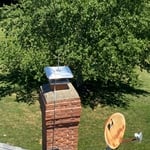
Chimney rod and conductor cable
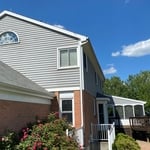
Front of home,system is barely noticeable
Hiding the cables best we can
Rear of home
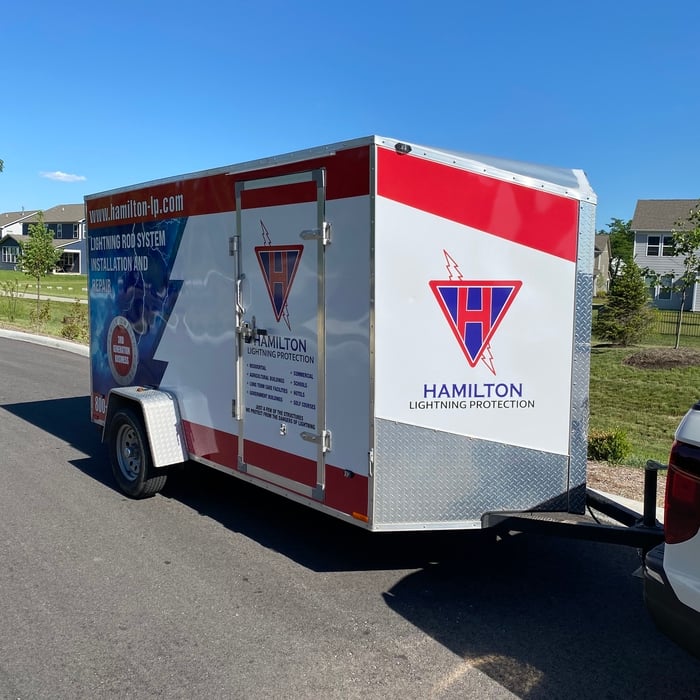
Work trailer

+4

Response time1 day
36 neighbors recently requested a quote

Recommended by100%of homeowners
Avatar for Dr Sparky LLC
Dr Sparky LLC
4.8(
6
)
Fixed Generator - InstallElectrical Wiring or Panel UpgradeElectrical Switches, Outlets & Fixtures - Install or Repair+17 more

Serving Elon, NC and surrounding areas

Approved

Warranties offered

Credit card accepted

Customers say: True professional

"Vhek Electrical Solutions where fantastic. Derek was very professional and well prepared and knowledgeable about my issues. They where prompt and I am beyond pleased with the results. I told Derek what I envisioned for my kitchen lights and he made my vision a reality. I will now be calling Vhek for ALL of my electrical needs. Thank you so much for such a great experience."
Additional Photos
Additional Photos
Additional Photos
Additional Photos
Response time11 hrs
Response rate100%
7 neighbors recently requested a quote
...
Showing 1-10 of 231
Electrical questions, answered by experts

The Occupational Safety and Home Administration (OSHA) requires an electrical panel to have a minimum of three feet (36 inches) of room from the front of the panel to the closest obstacle. In this case, the word obstacle refers to nearly everything, including walls, machines, and other fixed objects. Additionally, panels require at least 6½ feet of headroom in the area directly in front of the fixture. These requirements help ensure safe use of the panel and allow electricians plenty of room to work.

String lights require electricity, but not an excessive amount, especially when compared to other lighting fixtures. LED rope lights, for instance, consume around one watt per foot. Running six or seven light strings simultaneously should only cost you around $10 to $15 each month. You can save even more money by remembering to turn off your lights during daylight hours. 

The most likely cause of accidentally flashing lights is that a regular bulb has been replaced with a flash bulb by accident. If that’s not the case, you should look for a bulb on the strand that is not quite seated properly and will lose its connection when it’s touched or moved.
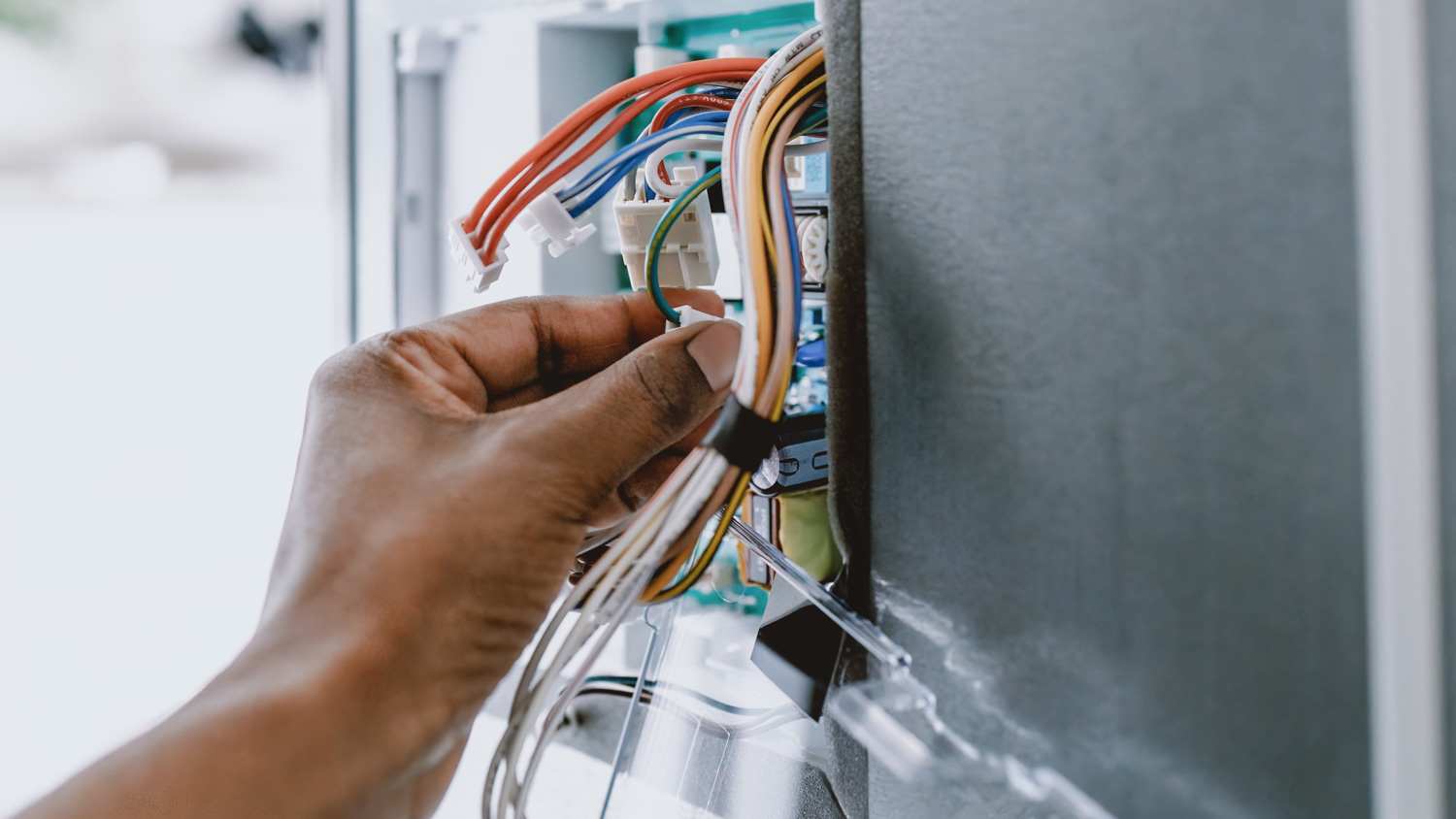

The National Electrical Codebook indicates that there should be at least 6 inches of wiring in the breaker box for connecting purposes. When in doubt, err on the side more, because you can always cut some wire off but you can never add it back on, and if you don’t have enough you may struggle to finish wiring your breaker box properly.

When converting a standard 120-volt outlet to a 240-volt outlet, the only components you can typically reuse are the existing electrical box and the hole in the wall. Everything else—including the wiring, breaker, and receptacle—should be replaced to ensure both safety and efficiency. Appliances designed for 240 volts have different plug configurations that won’t fit into a standard 120-volt outlet, making it necessary to install a compatible 240-volt receptacle. This design helps prevent overloading or underloading the power available to any one outlet or circuit.

The Elon, NC homeowners’ guide to electrical services

From average costs to expert advice, get all the answers you need to get your job done.