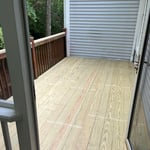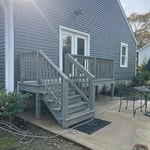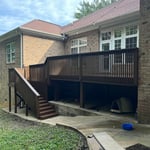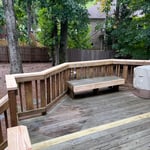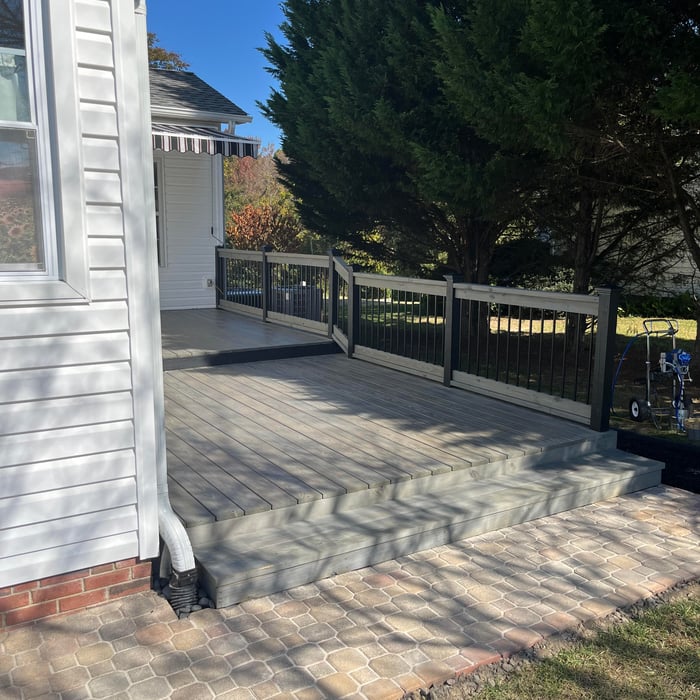



Top-rated deck maintenance specialists.

Get matched with top deck maintenance specialists in Gibsonville, NC

Enter your zip and get matched with up to 5 pros

Need a pro for your deck maintenance project in Gibsonville, NC?

Select your specific project to find the pro for you.

TRUSTED BY GIBSONVILLE, NC HOMEOWNERS

  • Average homeowner rating star icon4.4
    Average homeowner rating
  • Verified reviews icon32
    Verified deck maintenance services reviews

Find Deck maintenance specialists in Gibsonville

Avatar for Cabrera's
Cabrera's
New to Angi
Deck, Fence, Patio or Porch - Clean and SealDeck, Fence, Patio or Porch - Clean and Seal - For Business

Serving Gibsonville, NC and surrounding areas

Approved

In business since 2016

Free estimates

Credit card accepted

Cabrera's, is committed to excellence every aspect of our business. We uphold a standard of integrity bound by fairness, honesty and responsibility in all of our jobs. We are a locally owned and operated business with more than 2 years of experience serving Asheboro, NC and surrounding areas. There is no job too big, or too small for our team. Call today and let us put our experience to work for you!\n

Response time3 days
...
Showing 1-10 of 166
Deck Maintenance questions, answered by experts

Composite decking might cost more upfront, but it delivers value in terms of durability. Unlike wood, composite material resists common deck problems such as rotting, fading, warping, and all the other things you don’t want a deck to do. The extra processes lead to a higher price tag, but you’ll save big in maintenance costs down the road.

The best material for your deck depends on several factors, including your budget, location, aesthetic preferences, and the level of maintenance you’re willing to do. Wood decking, like redwood, ipe, cedar, and pine, lasts the longest, but it’s more expensive and requires more upkeep than composite and synthetic decking.

Decks require several inspections during and after the building process, but the specifics vary depending on where you live. Most areas mandate that decks comply with local building codes and safety regulations for the foundation, framing, and structure. Some pros recommend a footing inspection, which verifies the depth, width, and location of the various footings to ensure they offer enough foundational support.

The proper height for a stair riser or deck step is between four and seven inches, with seven inches often considered the most comfortable. Building your stairs to this height ensures a strain-free step position and minimizes the risk of trip and fall injuries. For optimal safety and comfort, especially on deck stairs, a rise of around seven inches should be paired with a tread depth (or run) of at least 10 to 12 inches. While it is possible to design stairs with risers up to 12 inches, this height can be challenging for children, pets, or individuals with mobility issues. Always check with your local building codes, as they may mandate specific dimensions that differ from these general recommendations.

The choice between Trex, a brand of composite decking, and PVC decking depends on your priorities regarding budget, appearance, and environmental impact. Both materials are durable and resistant to moisture and insects. Trex is often considered more eco-friendly because it contains recycled wood and plastic and is 25% recyclable, while PVC is fully synthetic and harder to recycle. Aesthetically, Trex is designed to look more like real wood, whereas PVC often has a glossier, more plastic-like finish. In terms of cost, Trex is typically less expensive than PVC.

The Gibsonville, NC homeowners’ guide to deck maintenance services

From average costs to expert advice, get all the answers you need to get your job done.