"Hargrove Home Improvement showed up exactly when promised and got to work right away. The old roof was stripped off down to the bare wood and new felt and shingles were installed. The job was completed in just over 2 days, including an excellent job of clean up. We also had some interior damage to a ceiling that James and Romey took care of on the following Saturday for a very reasonable price. The roof looks fantastic, we are very happy with the outcome. We will not hesitate to use Hargrove Home Improvement for any repair or remodeling in the future. "
I have used them for small things like wall sockets and ceiling fans, they don't replace faucets .I really thought about dropping them because
at 50.00/month and not using them that is $600.00 /year I could save. I guess I have Paid for 3 washers since I've used them. They could definitely be a benefit to so one with an older home. I give them a grade of A.
Welcome to Molina's Contracting Maintenance and Repair! We have been proudly serving the Manteo area since 2005! With our timely service and our unmatched customer satisfaction, no job is too small! Give us a call today!
I take a lot of pride in the work I do. With over 15 years of hands-on experience in HVAC and home services, I’m committed to doing every job the right way the first time. I truly enjoy working on heating and cooling systems and helping people stay comfortable in their homes year-round.
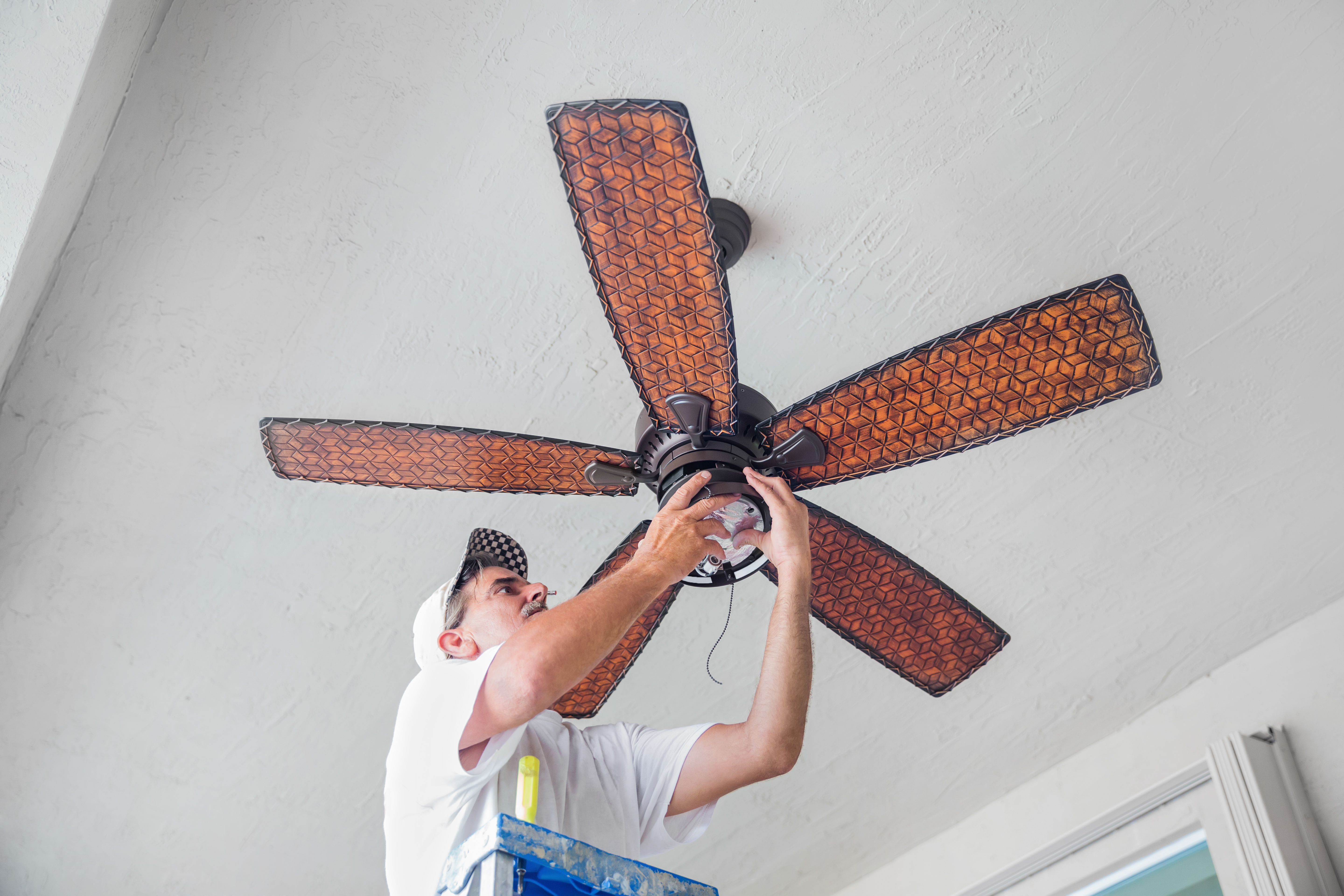
If you’re removing a ceiling fan without visible screws, start by locating the fan canopy—a round cover placed above the fan blades and motor. There should be a thin ring that can be turned counterclockwise to remove the canopy and reveal the screws. After unscrewing the fan, you can disconnect the wires and remove the entire fan from the mounting hardware. For safety, make sure the fan switch is turned off before you remove the canopy. It may be easier to remove the fan blades first, too.
No, a ceiling fan doesn’t have to be wired to a switch, but it’s often more convenient. You can use the included pull chain if your ceiling isn’t too high or install a remote module later, as they are a cheap, easy-to-install option that’ll let you control both the fan and light fixture.
The direction your ceiling fan spins helps create comfortable airflow in your home and can also help cut down on energy costs.
During summer, your ceiling fan should spin counterclockwise. This will push cooler air downward in a column and help lower your room’s air temperature. In the winter, set your ceiling fan to spin clockwise and at the lowest speed setting. This will pull cool air upwards, displacing the warm air that pools towards the top of your ceiling and bringing it down towards the floor.
Though possible, installing a ceiling fan yourself requires electrical knowledge and confidence working with home wiring. Following the manufacturer's instructions carefully and observing safety precautions are crucial components of a DIY installation.
Hiring an electrician to install a new ceiling fan may be the best course of action. Installing a ceiling fan requires basic electrical and mechanical knowledge. It also requires holding it up with one hand and in an awkward position, making the installation even more difficult. If you’re uncomfortable with these circumstances, your best bet is to hire a professional.
The Engelhard, NC homeowners’ guide to ceiling fan services
From average costs to expert advice, get all the answers you need to get your job done.
Discover the cost to install a ceiling fan, including labor, materials, and tips to save. Learn what impacts your price and how to budget for your project.
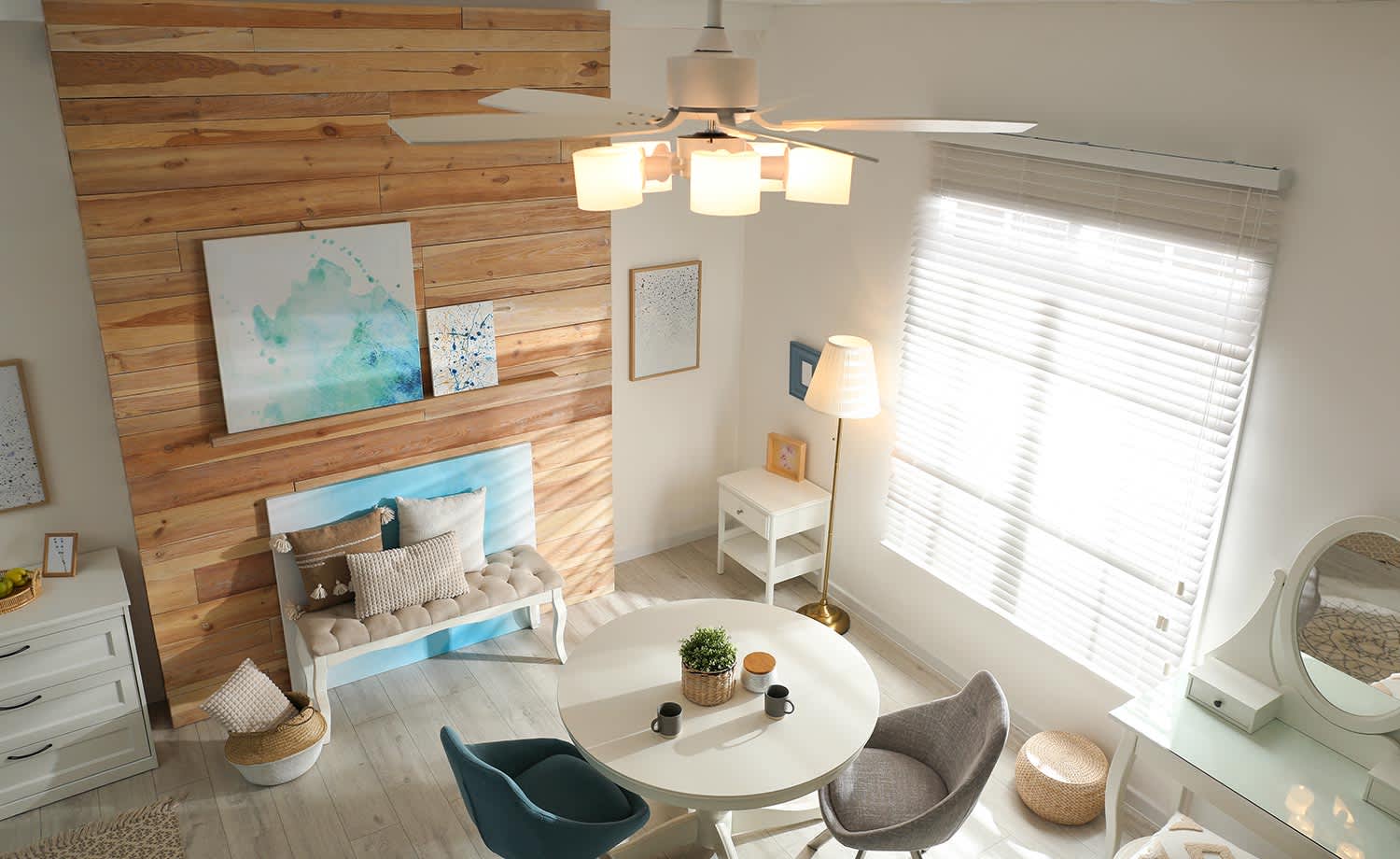
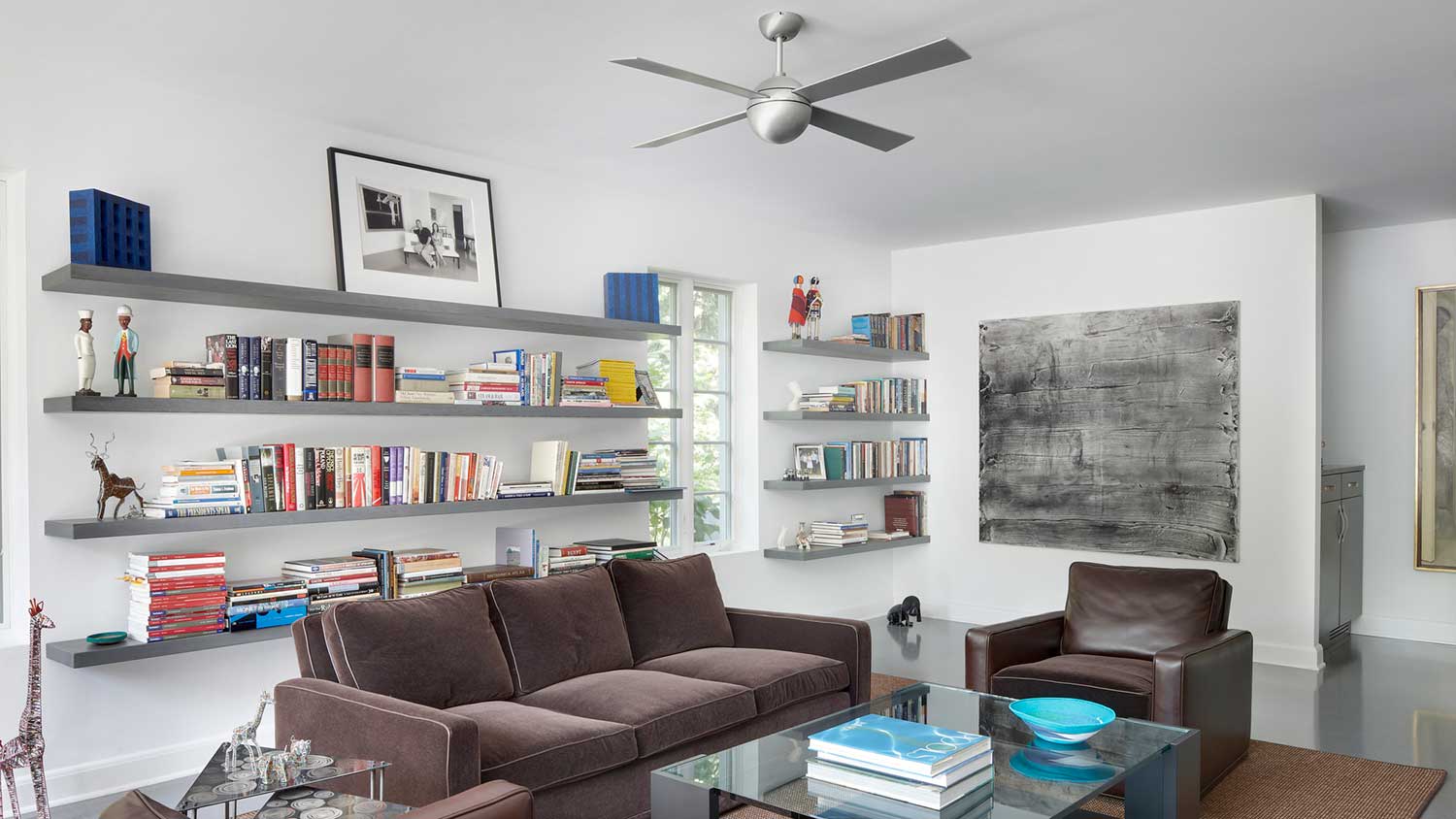
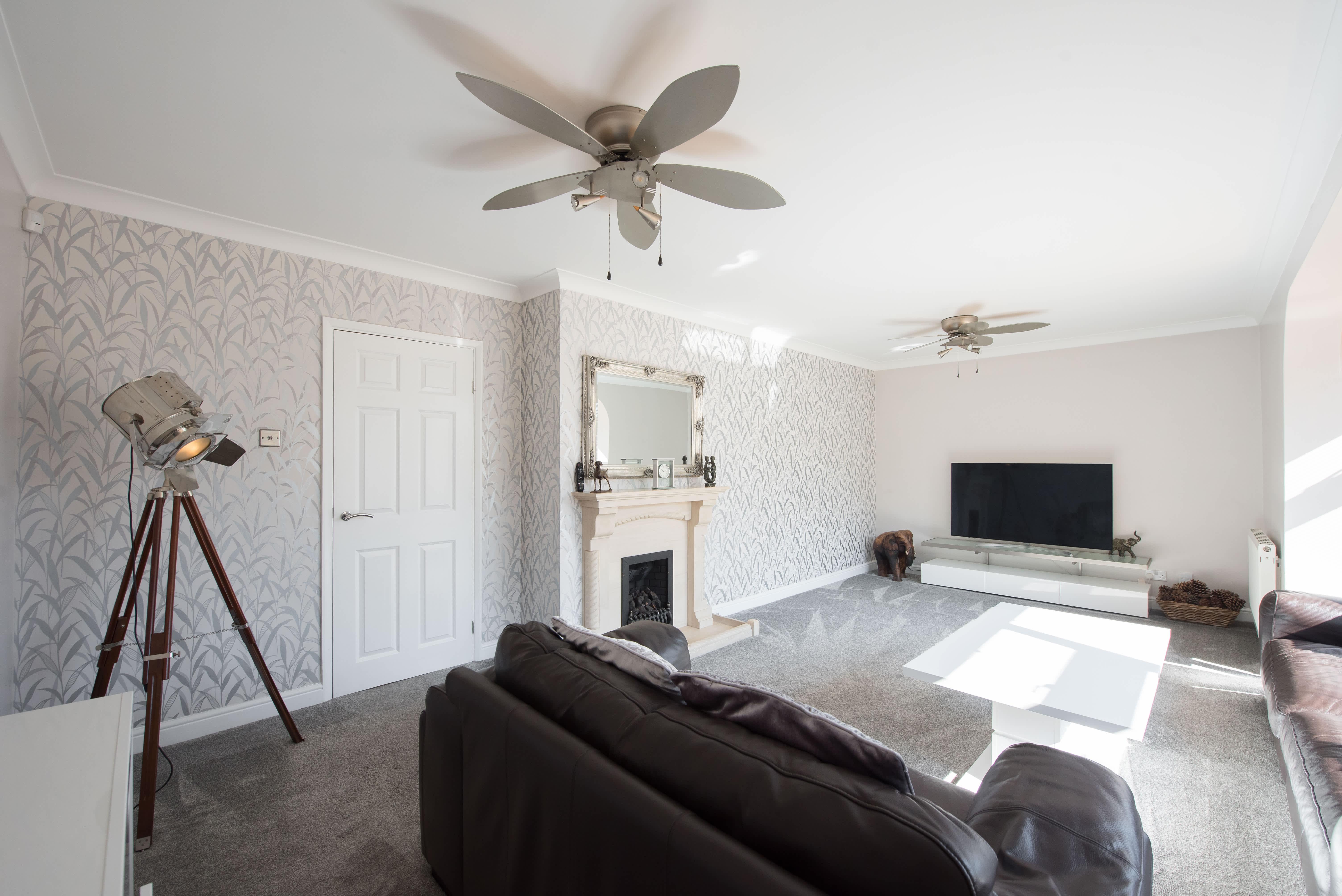
Ceiling fans cool down your home while stylishly accenting your space. With a variety of types of ceiling fan on the market to choose from, you can’t go wrong.
Although the risk is low, there are a few telltale signs that a ceiling fan will fall off your ceiling. This guide explains when to worry (and when not to).
With the right size, ceiling fans are an energy-efficient way to cool a room. Use this ceiling fan size guide to find the perfect model for your space.