
Top-rated carpet installation pros.

Best carpet installation pros near Dallas, NC

Enter your zip and get matched with up to 5 pros

Need a pro for your carpet installation project in Dallas, NC?

Select your specific project to find the pro for you.

TRUSTED BY DALLAS, NC HOMEOWNERS

  • Average homeowner rating star icon4.4
    Average homeowner rating
  • Verified reviews icon26
    Verified carpet installation reviews

Top-Rated Carpet installation pros in Dallas - Updated Nov 2026

...
Showing 1-10 of 208
Carpet Installation FAQs, answered by experts

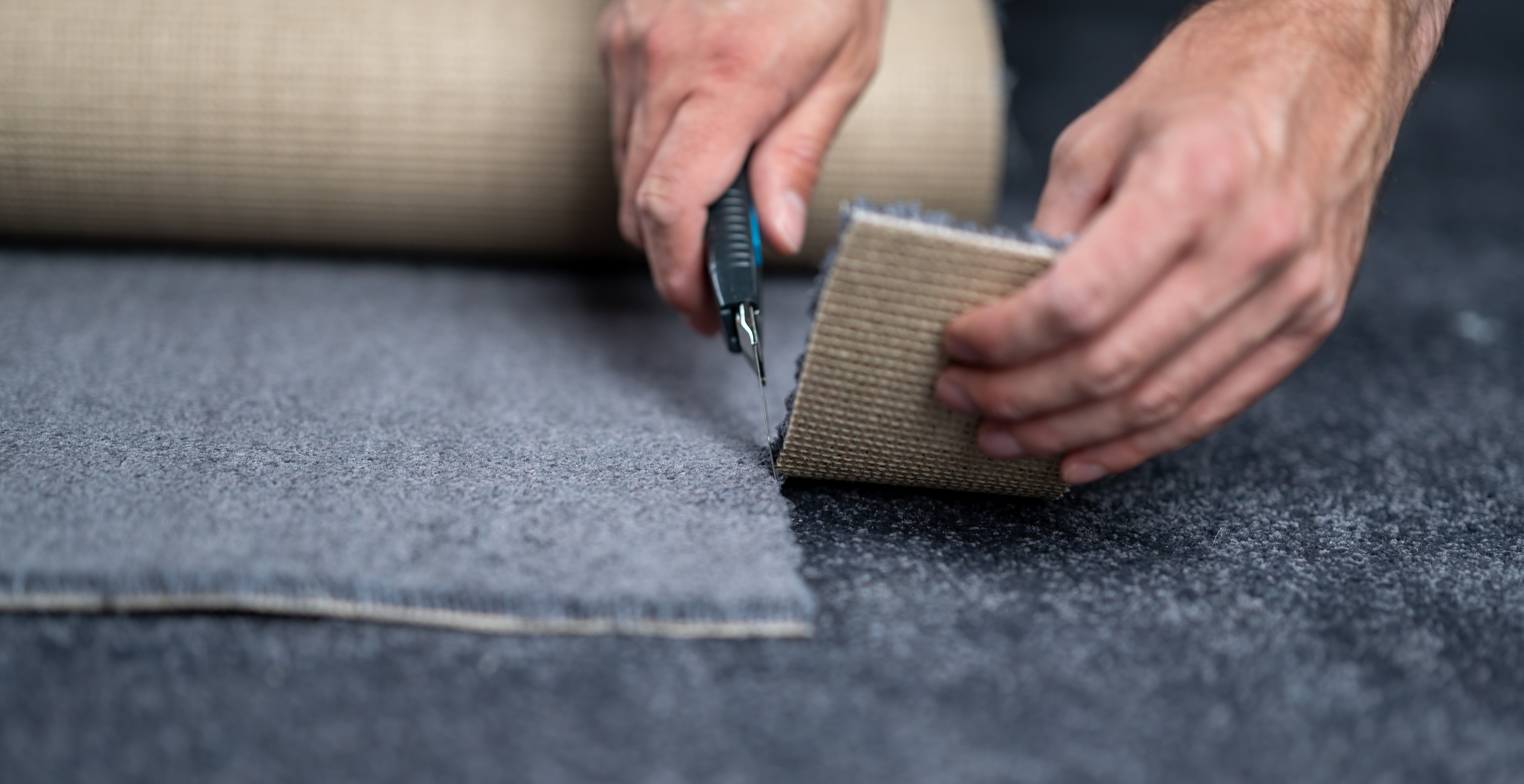
Carpet installation typically starts with removing the old flooring, preparing the subfloor, laying underpadding for cushioning, and securing the new carpet with tack strips, making precise cuts to fit room dimensions.

When it comes to flooring installers, licensing laws vary from state to state. Even if your state doesn’t require your flooring installer to have a license, your municipality or city might, so it’s a good idea to check with your town before getting started. Be sure to check our state licensing tool to review the local general contractor guidelines. 

Hiring an unlicensed flooring installer could lead to poor quality work, costly future expenses, and potential code violations. 

As you browse our pro listings, take note of the “Angi Approved” badge. Angi Approved businesses meet our standards for certification which include:

  • The owner, principal, or relevant manager passed a criminal background check

  • Required to have applicable state and local licenses

  • Maintain an average star rating of 3.0 or better on our network, if they have at least one review

  • Paying to advertise their services

  • Meeting any other eligibility criteria required by Angi

Keep in mind licensing is different from certifications. A license is a legal requirement to operate a business, while certifications are voluntary.

If you want your carpet to last as long as possible, then yes, you need to install carpet padding. Carpet padding creates a layer of protection between the back of your carpet and the floor beneath it, which decreases friction and reduces wear and tear. Aside from that, carpet padding also helps absorb noise and makes your carpet feel more comfortable underfoot.

In most cases, you do not need to put padding or underlayment under carpet tiles. Unlike traditional carpet, which requires a separate pad, carpet tiles are designed to be installed directly onto a firm subfloor like plywood, concrete, or tile. Many carpet tiles come with a built-in underlay and attach with peel-and-stick adhesive, double-sided carpet tape, or glue. For a more comfortable, cushioned feel, especially in residential settings, you can opt for padded carpet tiles that have a thicker underlay attached. While it's generally not recommended to install a separate pad, a compact underlayment might be used in some situations, though this typically requires professional installation. An acoustic underlay may also be considered in commercial spaces or multi-level homes where noise reduction is a priority.

Carpet installers use furniture sliders or blankets to protect your furniture during the installation process. They handle each piece with care to minimize the risk of damage. Additionally, they may employ techniques such as lifting and shifting furniture rather than dragging it across the floor to prevent scratches or other marks. If you have particularly delicate or heavy items that need to be moved, discuss special handling with the installers beforehand.

The Dallas, NC homeowners’ guide to carpet installation

From average costs to expert advice, get all the answers you need to get your job done.