
Top-rated flooring contractors.

Best flooring contractors near Dallas, NC

Enter your zip and get matched with up to 5 pros

TRUSTED BY DALLAS, NC HOMEOWNERS

  • Average homeowner rating star icon4.5
    Average homeowner rating
  • Verified reviews icon174
    Verified flooring services reviews

Top-Rated Flooring contractors in Dallas - Updated Nov 2026

Avatar for Footprints Floors Gastonia
Footprints Floors Gastonia
4.6(
78
)
Laminate Wood or Stone Flooring - InstallWood Flooring - Install or Completely ReplaceLuxury Vinyl Flooring - Install - Materials Not Provided by Consumer+5 more

Serving Dallas, NC and surrounding areas

Approved

In business since 2020

Free estimates

Warranties offered

"The install team was punctual, friendly, upbeat and they didn't rush through the process. Our floors look great and we are satisfied with the attention to detail. The floor installation and service provided is trustworthy. We would hire again and recommend Footprints to others."
Before and  After
Wood Floor Installation
Custom Wood Floors
Floor Installation
Wood Floor

+22

Response time2 hrs
24 neighbors recently requested a quote
Recommended by94%of homeowners
Avatar for Phane Flooring and Construction
Phane Flooring and Construction
5.0(
31
)
Wood Flooring - Refinish

Serving Dallas, NC and surrounding areas

Approved

In business since 2017

Free estimates

Emergency services offered

"Steven did the repairs and refinishing on our kitchen remodel, he was very meticulous on every detail and didn't cut corners. The job was completed on time and we are very satisfied. Phane Flooring would be our first call for any flooring needs."
Peoria Kitchen
Peoria Kitchen
Queen Creek - KItchen
Queen Creek - Kitchen

+13

Response time2 hrs
Response rate93%
5 neighbors recently requested a quote
...
Showing 1-10 of 469
Flooring Installation FAQs, answered by experts

The best flooring materials for a mudroom are porcelain and ceramic tiles. Both are easy to clean and maintain, and they're also water-resistant and highly durable. If you're not a fan of those types, you can also choose another nonporous flooring for your mudroom, such as stone or sealed concrete. Stay away from linoleum, cork, hardwood, and engineered wood, as water and moisture in your mudroom will damage these quickly.

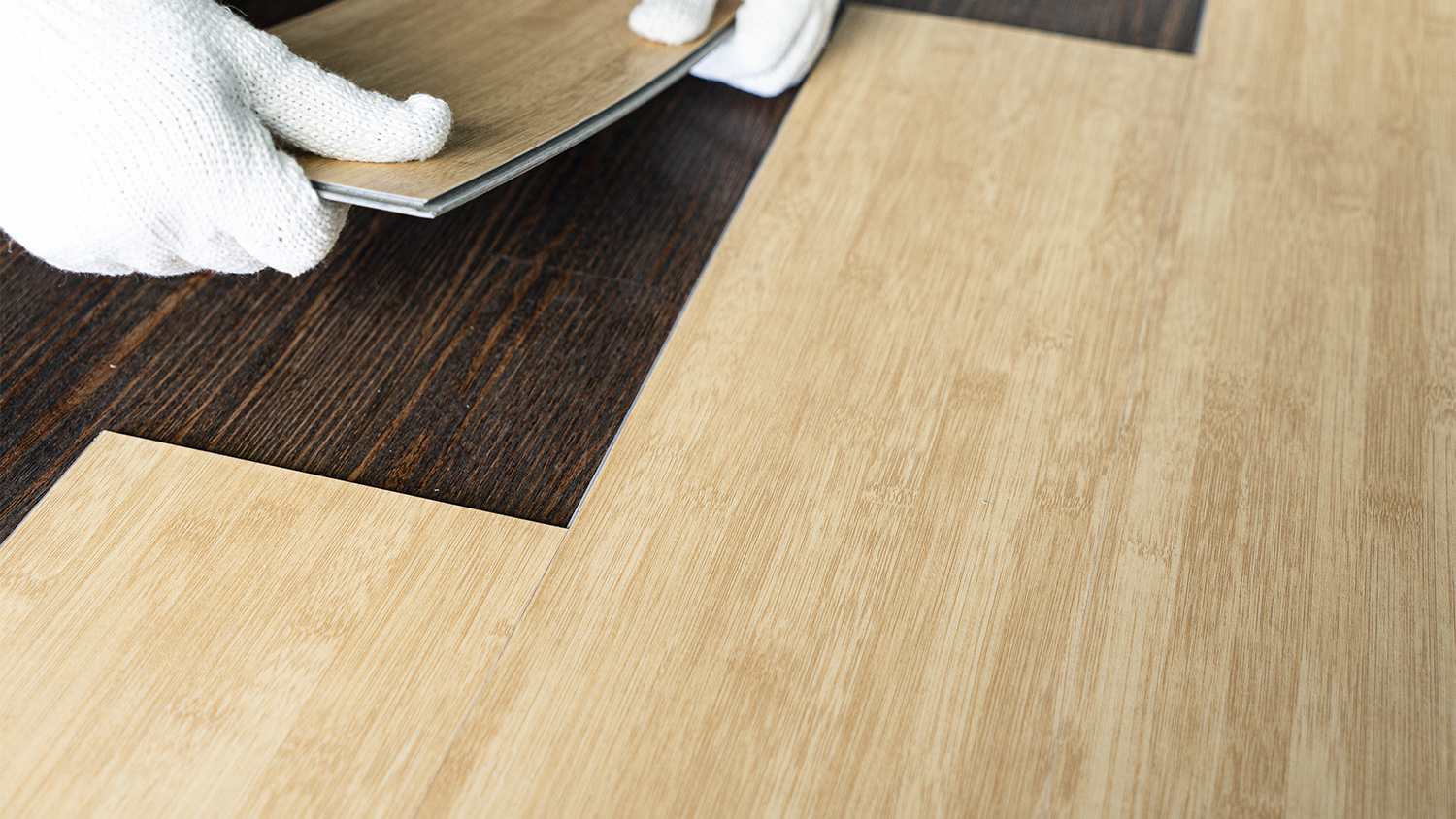
Start the first row of vinyl planks along the longest or most visible wall in the room. This will create a clean, straight foundation row to build off of. Snap a chalk line to guide the first row, and use spacers for the most precise installation—these maintain an even extension gap between the flooring planks and the wall. Finally, double-check that the first row is level before moving on to the second row. If it’s not, start over and get it right before completing the rest of the floor.

The best flooring for radiant heat systems is tile, including porcelain, ceramic, and natural stone. These materials are excellent heat conductors, retain warmth well, and are waterproof, which prevents mold or rot in case of leaks from a hydronic system. Unlike wood, they do not pose a fire safety risk if the heating system overheats. Ceramic tile is a particularly popular choice as it is inexpensive, easy to install, and available in many styles, making it ideal for spaces like bathrooms. Other flooring types that work well with radiant heat include laminate, engineered wood, and vinyl. If you are installing radiant heating over a concrete slab, especially in a basement, it is advisable to install a vapor barrier first to prevent issues with moisture and condensation.

If you’re doing a full bathroom remodel, the flooring will go in before the vanity and any other bathroom cabinetry. This will ensure that the same floor is present across your whole bathroom should you ever tear out your vanity and start again. 

If you can only budget for one or the other, you can still replace just the vanity in your bathroom. Just keep in mind that if you decide to replace your flooring later, you’ll need to tear out the vanity to avoid having mismatched floors.

You can expect your carpet protection to last about six months to two years. It will last longer in low-traffic areas (compared to busy areas, where your carpet experiences more wear and tear). Once the protector wears off, you’ll need to call your carpet contractor to reapply the stain protection treatment and revive your carpet. 

The Dallas, NC homeowners’ guide to flooring services

From average costs to expert advice, get all the answers you need to get your job done.