






Top-rated electricians.

Get matched with top electricians in Dallas, NC

Enter your zip and get matched with up to 5 pros

TRUSTED BY DALLAS, NC HOMEOWNERS

  • Average homeowner rating star icon4.7
    Average homeowner rating
  • Verified reviews icon426
    Verified electrical services reviews

Find Electricians in Dallas

Avatar for Vinesett Electric Service, LLC
Vinesett Electric Service, LLC
5.0(
33
)
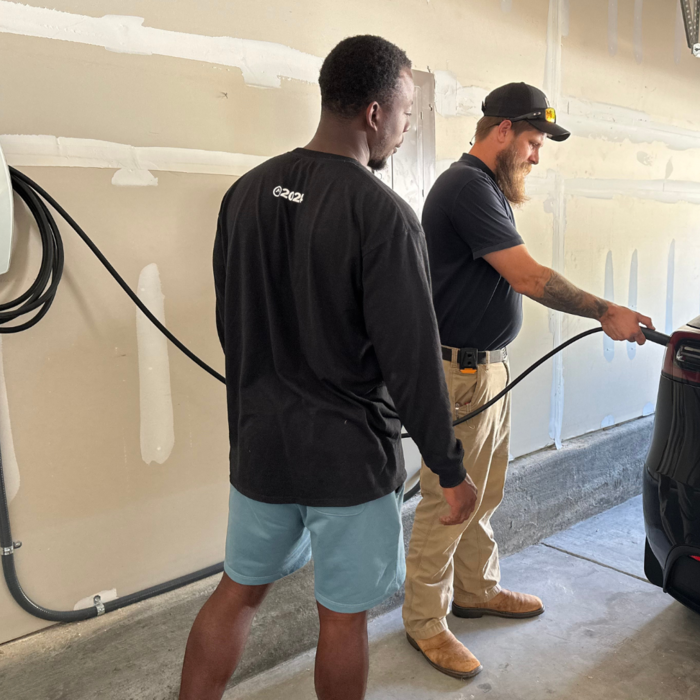
Electric Vehicle Charging Station Installation - Materials Not ProvidedElectric Vehicle Charging Station Installation - Materials Provided by Consumer

Serving Dallas, NC and surrounding areas

Approved

Super Service Award Winner

In business since 2020

Free estimates

Warranties offered

"Josh was very prompt in his communication. He arrived on time for giving the quote and to complete the work. He thoroughly inspected the site and understood the job before giving the quote. There were no surprises after the completion. He got the necessary permits and scheduled the inspection after with local electrical company. Also mentioned tax forms and gave links to the same. His work was clean and he was very friendly and respectful. I would hire vinesett electric company again."
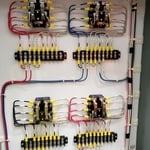
Control Cabinet
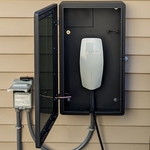
Tesla Gen 3 with Enclosure
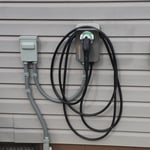
Charge Point Home Flex Exterior Mount
Special Offers
Special Offers

+4

Response time6 hrs

Response rate94%
2 neighbors recently requested a quote
...
Showing 1-10 of 394
Electrical questions, answered by experts

The cost to install or replace a circuit breaker depends on the price of the unit itself and the complexity of the installation. A new circuit breaker typically costs between $10 and $100, with standard breakers being the most affordable and GFCI or AFCI types costing more. If you are upgrading to a higher amperage, a 200-amp circuit breaker can cost between $250 and $350. The average total cost for professional installation is around $700, but this price varies. A simple replacement into existing wiring will cost less than a more complex project that requires opening walls, running new wires, and securing permits.

A ground wire is not required for GFCI to work. A ground is a third wire in an outlet in addition to the live and neutral wires. It serves as an escape conduit for electricity in case of a short circuit. If a ground wire is present, installers should connect it to the appropriate terminal. Otherwise, a GFCI will work fine without it.

While the National Electrical Code (NEC) does not set a strict limit, a common guideline is to have a maximum of eight outlets or receptacles on a 15-amp circuit. This rule of thumb, which equates to about one outlet per 1.5 amps, helps keep the total electrical load safely below 80% of the circuit breaker's capacity. It is important to consider the power demands of any devices or appliances that will be plugged in, as overloading a circuit can lead to tripped breakers or create a fire hazard. To ensure the safety and code compliance of your electrical system, consult with a licensed electrician.

Electrical fires are unique from other fire types because they have the potential to deliver electric shocks in addition to being on fire. Avoid serious injury from possible electrical emergency situations by avoiding the use of water, foam-based fire extinguishers, wet-chemical fire extinguishers,  flour, or baking powder to put out an electrical fire. 

If one plug in your outlet works but the other doesn't, it could be due to a few reasons. The outlet might have a loose or damaged internal connection on the non-working side. Another possibility is that the outlet is a split receptacle, with one half controlled by a wall switch that might be turned off. Additionally, debris or damage inside the non-working plug could prevent a proper connection. If you can't identify the issue, remember to prioritize safety. Replace the outlet or consult a professional electrician to ensure safety and proper functionality.

The Dallas, NC homeowners’ guide to electrical services

From average costs to expert advice, get all the answers you need to get your job done.