





Top-rated plaster repair specialists.

Get matched with top plaster repair specialists in Cedar Point, NC

Enter your zip and get matched with up to 5 pros

Need a pro for your plaster repair project in Cedar Point, NC?

Select your specific project to find the pro for you.

TRUSTED BY CEDAR POINT, NC HOMEOWNERS

  • Average homeowner rating star icon4.4
    Average homeowner rating
  • Verified reviews icon61
    Verified plaster repairs reviews

Find Plaster repair specialists in Cedar Point

Avatar for Johnson's drywall -    Facebook
Johnson's drywall - Facebook
4.4(
9
)
Plaster - InstallPlaster - Repair

Serving Cedar Point, NC and surrounding areas

In business since 2018

Free estimates

Small jobs welcome

"Had to pay money to Johnson's Drywall for materials before he could start. My experience with subcontractors/handymen is that you pay when the job is finished. He should of been upfront about needing money for materials. Paid $400 up front for materials, but was refunded $100.00 for materials not used."
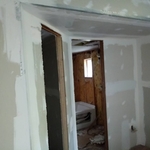
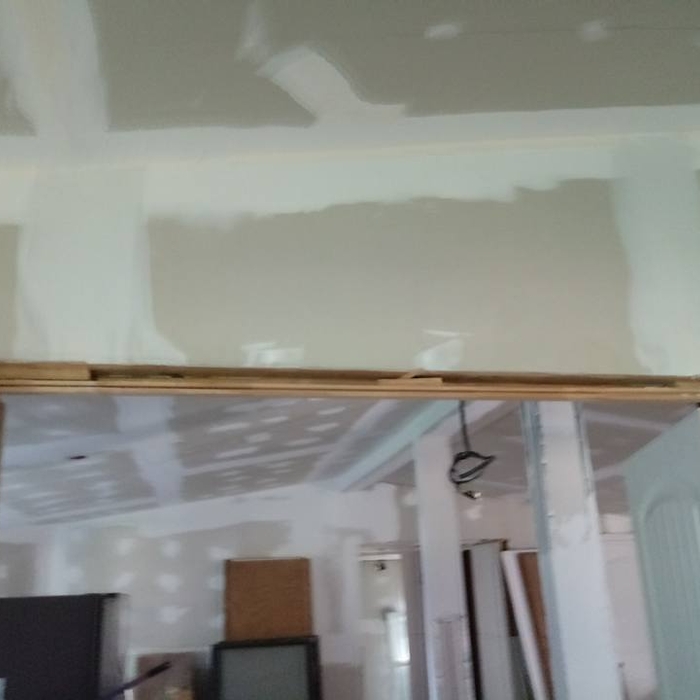
Ceiling first coat
First coat
Finishing
Progress finishing
Second coat

+8

Response time1 day
Response rate91%
Recommended by100%of homeowners
Avatar for PITTER-B18C REMODELING
PITTER-B18C REMODELING
5.0(
2
)
Plaster - InstallPlaster - Install - For BusinessPlaster - Repair+1 more

Serving Cedar Point, NC and surrounding areas

In business since 2025

Free estimates

Offers commercial services

"Felipe is a friendly person with lot of integrity and attention to detail in his work. Fast and reliable worker that always care about quality and with lot of knowledge on his trade. He always provides timely responses and solutions. He is very customer oriented, so he will definitely care of your needs for remodeling and I highly recommend him"
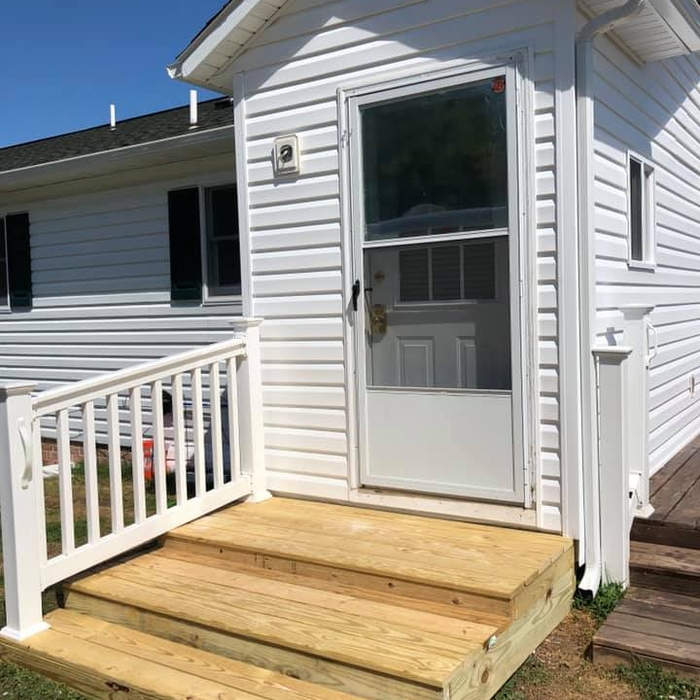
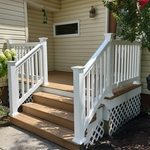
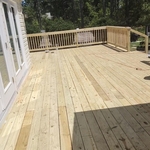
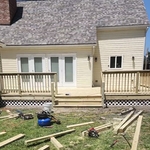
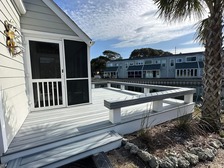
Front deck
MaIn deck floor.
Main deck
Response time4 hrs
Response rate100%
Showing 1-10 of 44
Plaster Repair questions, answered by experts

Generally, your homeowner’s insurance might only cover ceiling collapses caused by problems under the coverage, such as a busted pipe. But if the ceiling collapse resulted from owner negligence, maintenance issues, or other reasons excluded by your policy, you could be on your own. Some policies might cover damages caused by the collapse but not the repair itself. Check with your policy carrier for the most accurate information regarding ceiling collapse coverage.

You can put certain types of plaster over other types, but doing so isn't always the best idea. For example, putting a coat of gypsum over lime plaster is possible, but doing so will limit the lime plaster's breathability and potentially affect its performance.

Since cement plaster tends to leave a textured surface, no matter how much you smooth it, some people prefer to use gypsum plaster as a topcoat over cement plaster, creating a smoother surface.

Professionals diagnose underlying causes, such as structural shifts or moisture problems, and apply appropriate solutions like reinforcement, patching, or sealing. These measures restore wall integrity and prevent recurrence, ensuring long-term stability.

Ceiling-mounted curtains won’t damage the ceiling if they’re installed properly. Using the right anchors or securing the brackets into joists will ensure the curtain weight is properly supported and prevent damage. However, overtightening screws, using weak anchors, or repeatedly removing and reinstalling hardware in the same spot can cause cracking or sagging over time. In that case, you might have to call a pro for ceiling repair.

Although they have similar applications, spackle and joint compound are not the same. Their primary differences lie in their composition, consistency, and ideal use cases.

Spackle is composed of gypsum and binding agents, making it thicker than joint compound. It dries quickly and is easy to sand, which makes it ideal for small wall repair projects like filling nail holes or patching minor damage.

Joint compound, also known as drywall mud, consists of limestone and gypsum. It is primarily used for large-scale projects, such as taping and finishing the seams on newly installed drywall. It tends to shrink more than spackle and can be more difficult to spread.

While both products can be used to fill small depressions and cracks, spackle cannot replace joint compound for taping and mudding new drywall. Conversely, you can often use joint compound for small patching jobs typically done with spackle.

The Cedar Point, NC homeowners’ guide to plaster repairs

From average costs to expert advice, get all the answers you need to get your job done.