






Top-rated plaster repair specialists.

Get matched with top plaster repair specialists in Hubert, NC

Enter your zip and get matched with up to 5 pros

Need a pro for your plaster repair project in Hubert, NC?

Select your specific project to find the pro for you.

TRUSTED BY HUBERT, NC HOMEOWNERS

  • Average homeowner rating star icon4.6
    Average homeowner rating
  • Verified reviews icon95
    Verified plaster repairs reviews

Find Plaster repair specialists in Hubert

New Lease Home Improvement
5.0(
16
)

Serving Hubert, NC and surrounding areas

In business since 2020

Free estimates

Small jobs welcome

"Group did a total gut of a master bath for me (photos online). From the demo with hidden problems to install of a walk-in shower, 3RM were great! During the 6 weeks, I was allowed to make suggestions on design, structure, placement without running into interference. Even when finished with the remodel, Joel came back to handle minute issues like shower handle direction and handicap bars. They also came back a couple of weeks laters to demo my back deck and rebuild it, again allowing my input into the construction, which is probably the greatest feature of hiring these guys to do your home repair and build."
Getting it right!
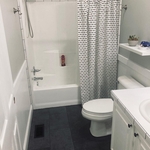
Completed Bathroom
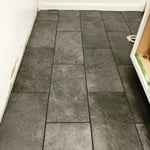
Tile looks great!
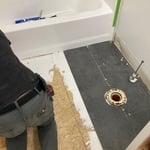
The start of the Bathroom project
Joel putting in some work

+13

Response time2 days
Recommended by100%of homeowners
Avatar for Johnson's drywall -    Facebook
Johnson's drywall - Facebook
4.4(
9
)

Serving Hubert, NC and surrounding areas

In business since 2018

Free estimates

Small jobs welcome

"Had to pay money to Johnson's Drywall for materials before he could start. My experience with subcontractors/handymen is that you pay when the job is finished. He should of been upfront about needing money for materials. Paid $400 up front for materials, but was refunded $100.00 for materials not used."
Ceiling first coat
First coat
Finishing
Progress finishing
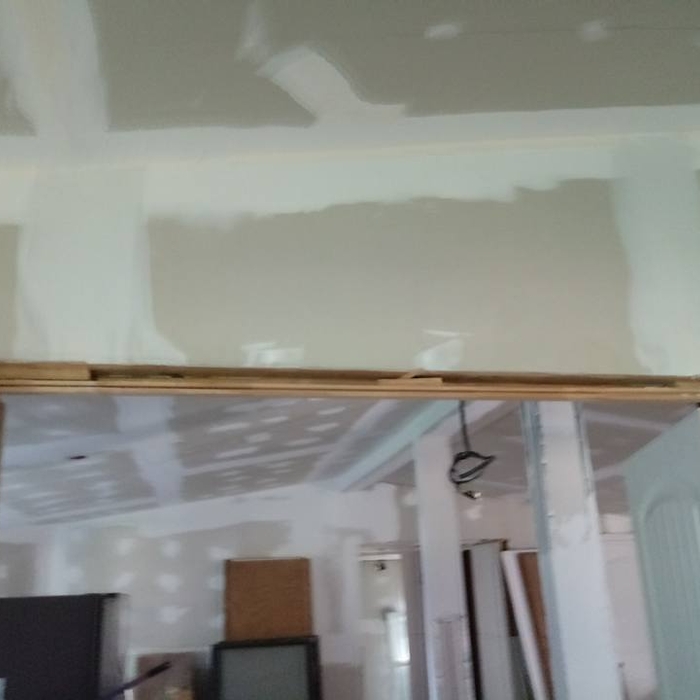
Second coat

+8

Response time1 day
Response rate91%
Recommended by100%of homeowners
Showing 1-10 of 49
Plaster Repair questions, answered by experts

If your premixed drywall mud is dried out or has begun to set in the bucket, you may be able to revive it by adding warm water and stirring. However, the first and most important step is to scrape off any hard, dried bits of drywall that may have accumulated toward the top of the container and throw them away because they will not easily reconstitute back into the drywall mud mix.

Plaster is a pretty tough surface, but it can still sustain damage from things like bumping against it, water issues, dampness, extreme humidity changes, and plain old age. Most plaster walls last hundreds of years and will only be taken down to the base layer when major repairs are required. Being cautious around the wall, not placing furniture against it, and ensuring stable humidity are all great ways to reduce possible damage.

Regular inspections and cleaning to prevent moisture or pest issues.

Whether you can install or repair plaster yourself depends on the project's size and your comfort level with DIY projects. It's possible to handle small repairs on your own, but for larger projects like a room restoration or a full installation, it's often best to hire a local plaster professional. The final appearance, even coverage, and durability of the plaster depend heavily on proper wall preparation and application. If you are not 100% confident in your ability to achieve a professional result, letting an expert handle the job is a worthwhile investment.

Although they have similar applications, spackle and joint compound are not the same. Their primary differences lie in their composition, consistency, and ideal use cases.

Spackle is composed of gypsum and binding agents, making it thicker than joint compound. It dries quickly and is easy to sand, which makes it ideal for small wall repair projects like filling nail holes or patching minor damage.

Joint compound, also known as drywall mud, consists of limestone and gypsum. It is primarily used for large-scale projects, such as taping and finishing the seams on newly installed drywall. It tends to shrink more than spackle and can be more difficult to spread.

While both products can be used to fill small depressions and cracks, spackle cannot replace joint compound for taping and mudding new drywall. Conversely, you can often use joint compound for small patching jobs typically done with spackle.

The Hubert, NC homeowners’ guide to plaster repairs

From average costs to expert advice, get all the answers you need to get your job done.