
Top-rated septic tank pros.

Best septic tank pros near Aurora, NC

Enter your zip and get matched with up to 5 pros

Need a pro for your septic tank service project in Aurora, NC?

Select your specific project to find the pro for you.

Top-Rated Septic tank pros in Aurora - Updated Nov 2026

Avatar for Lynstar Management Group, LLC
Lynstar Management Group, LLC
5.0(
8
)
Septic Tank - Clean or Pump Out

Serving Aurora, NC and surrounding areas

Approved

Free estimates

Credit card accepted

Offers commercial services

We are a locally owned and operated company that values honesty and integrity and treats your home as if it were our own. We specialize in removal of all unwanted items, junk hauling, bed, furniture and appliance removal, garage cleanout, yard debris removal, trash removal, and more! We take great care to work and communicate with every customer in a professional manner. Our reputation is based on service, safety and quality, regardless of how large or small the job. \nVeteran owned and operated - U.S. Airforce

Hauling
49 neighbors recently requested a quote

Avatar for Appalachian Pumping
Appalachian Pumping
5.0(
2
)
Septic System - Install or ReplaceSeptic System - Install or Replace - For BusinessSeptic System - Repair+3 more

Serving Aurora, NC and surrounding areas

In business since 1995

"Don promptly returned my call for service of my septic tank. I called on a Friday afternoon, and the work was performed on Tuesday morning. He charged a reasonable price and did a very professional job. His assistant Donald, was also very professional. The work took approximately half an hour and was done very efficiently.
"
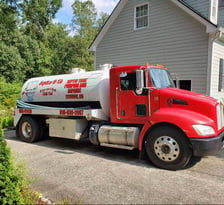
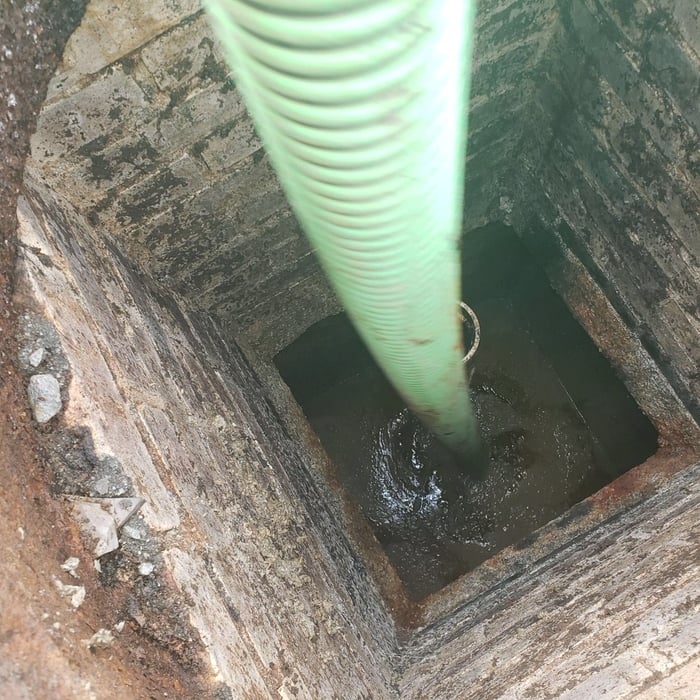
Additional Photos
Additional Photos
Recommended by100%of homeowners
Avatar for American Home Shield – Home Warranty
American Home Shield – Home Warranty
3.5(
5,689
)
Septic System - Install or ReplaceSeptic System - Install or Replace - For BusinessSeptic System - Repair+3 more

Serving Aurora, NC and surrounding areas

In business since 1971

Credit card accepted

"The technician emptied the freezer, which was in the basement, to work on the part that needed repair. Then he neglected to put anything back into the freezer, including a turkey I had bought for Christmas and a rack of ribs. Two days after he left, I went out of town for two weeks. The turkey actually exploded and spewed its liquid all over everything, which had to be discarded. I let AHS know and they couldn't even bother to call me or follow up on this. I'm considering not renewing my contract with them because of the quality (or lack thereof) of many of the providers they send."
Additional Photos
Additional Photos
Additional Photos
Additional Photos
Additional Photos

+2

Recommended by65%of homeowners
Showing 1-10 of 11
Septic Tanks FAQs, answered by experts

A septic system's lifespan typically ranges from 15 to 40 years, with a common average of 20 to 30 years. The longevity heavily depends on the tank's material, maintenance diligence, and usage habits. With proper care, lifespans can reach the upper end of this range.

Lifespan by Tank Material:

  • Concrete: 20 to 40 years

  • Plastic or Fiberglass: 30 to 40 years

  • Steel: 15 to 20 years

To maximize your system's lifespan, follow these maintenance best practices:

  • Regular Pumping and Inspections: Have the tank pumped every three to five years and schedule professional inspections regularly.

  • Mindful Usage: Only flush human waste and toilet paper. Avoid putting items like cat litter, paper towels, cigarette butts, fats, grease, oils, or coffee grounds down your drains.

  • Avoid Chemicals: Do not pour harsh chemicals into the system.

  • Water Conservation: Reduce the amount of wastewater your system has to process.

  • Protect the Drain Field: Avoid driving or building heavy structures over the drain field area.

Common signs that a septic tank is full include plumbing issues, odors, and changes in your yard. You may notice wastewater or sewage backing up into your home's drains, or that sinks, tubs, and toilets are draining slowly. Gurgling or bubbling sounds from the pipes are also a key indicator. Outside, you might smell foul sewage odors around your house or the septic tank area. Look for pooling water, spongy soil, or a marshy environment around the drain field. Another tell-tale sign is a patch of grass over the septic system that is suddenly lusher and greener than the rest of your lawn. If you notice any of these signs, you should contact a septic professional for an inspection and pumping.

Most shallow residential wells are somewhere between 25 and 50 feet deep. They are among the simplest well systems. Deeper wells usually involve drilling to a much greater depth. Water wells for household use are typically 100 to 500 feet deep, depending on local groundwater conditions. Some may be up to 1,000 feet deep or more. 

There are a few things that can make your drain field fail. These include driving or parking vehicles or heavy machinery on the field, excess sodium in the soil, or having a high water table. You can prevent failure by ensuring your installer checks that your chosen location is suitable for a drain field and properly maintaining your system with the help of a professional.

Drain fields often include three to five trenches that are 18 to 24 inches deep. The pipes connecting the drain field to the septic tank will be placed between 12 and 18 inches deep, and the field as a whole will be about 100 feet long.

The Aurora, NC homeowners’ guide to septic tank services

From average costs to expert advice, get all the answers you need to get your job done.