






Top-rated septic tank pros.

Get matched with top septic tank pros in Roper, NC

Enter your zip and get matched with up to 5 pros

Need a pro for your septic tank service project in Roper, NC?

Select your specific project to find the pro for you.

Find Septic tank pros in Roper

Avatar for Appalachian Pumping
Appalachian Pumping
5.0(
2
)
Septic System - Install or ReplaceSeptic System - Install or Replace - For BusinessSeptic System - Repair+3 more

Serving Roper, NC and surrounding areas

In business since 1995

"Don promptly returned my call for service of my septic tank. I called on a Friday afternoon, and the work was performed on Tuesday morning. He charged a reasonable price and did a very professional job. His assistant Donald, was also very professional. The work took approximately half an hour and was done very efficiently.
"
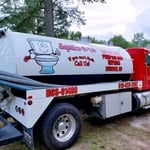
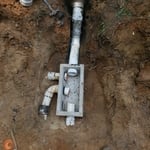
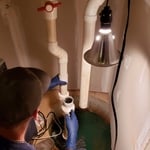
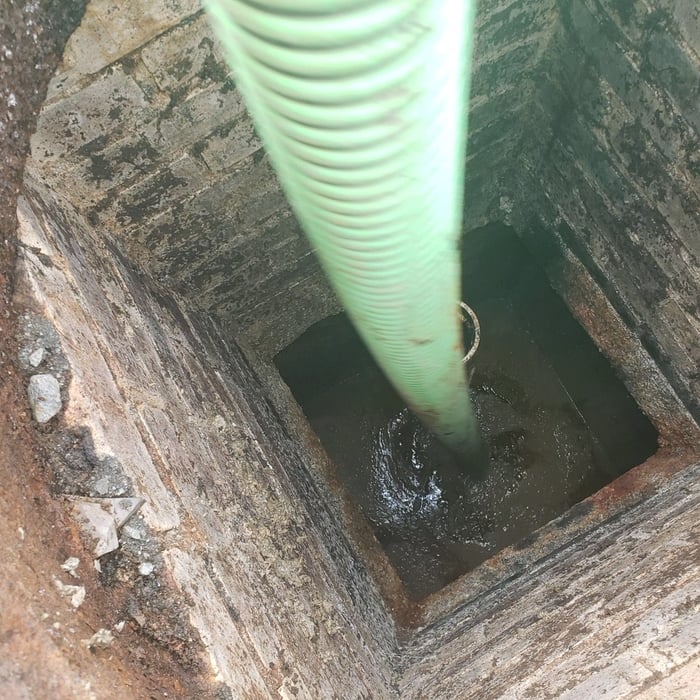
Additional Photos
Additional Photos
Recommended by100%of homeowners
Handyman
New to Angi
Septic System - Install or ReplaceSeptic System - Install or Replace - For BusinessSeptic System - Repair+3 more

Serving Roper, NC and surrounding areas

In business since 2005

Free estimates

Emergency services offered

Our commitment to quality is evident from the beginning to the completion of your home improvement project. We will add beauty and value to your home. We are dedicated and we offer the most top quality work. You can be assured you're in good hands with Christopher working on your project. Call him today you'll be pleased you did. Thank you\n

Septic Tanks questions, answered by experts

The dimensions of a 500-gallon concrete septic tank can vary from manufacturer to manufacturer, but the tank is large enough to handle the wastewater of a small home with up to one bedroom. Keep in mind that some states have a minimum septic tank size, and this often starts at 750 gallons. A 500-gallon septic tank may be too small to meet local regulations.

A properly installed and maintained septic drain field (also known as a leach field) can last up to 50 years, though the average is around 20 years. However, factors like poor soil conditions, heavy usage, or improper maintenance can significantly shorten its lifespan to 15-20 years.

To extend the life of your drain field:

  • Schedule Regular Inspections: Have the entire septic system, including the drain field, inspected every two to five years to catch problems early.

  • Protect the Area: Avoid driving heavy vehicles or placing heavy structures over the drain field. Plant only grass or other lightweight vegetation with shallow roots over the area.

  • Maintain the Septic Tank: Proper care of the septic tank, including regular pumping and avoiding harmful chemicals, prevents strain on the drain field.

Be aware of signs of failure, such as strange odors, standing water, or unusually lush grass over the field, which indicate your system may need professional attention.

All municipalities in the U.S. require a permit for septic tank installation or septic system alteration, and the permit will usually cost between $450 and $2,500. Some municipalities also require permits for septic system repair. You’ll either need to contact your local building department or your septic tank company to ask if this is necessary before carrying out the work. Permits are not typically required to have your septic tank pumped, so provided your septic company is licensed, you can move forward with the work as needed.

Neither system is necessarily better or worse than the other, but one of the two might be better for your needs. For example, anaerobic systems are less expensive than aerobic ones and don’t use power to run. On the other hand, aerobic septic systems don’t take up as much space and are typically more efficient than their anaerobic counterparts.

If you aren’t sure if you have a septic tank or a cesspit, you can check your property records or inspect your drainage system. A septic tank has an outlet pipe that allows liquid to drain into a soakaway or drain field, while a cesspit is a sealed tank that requires frequent emptying. If you notice a manhole cover and no nearby drainage field, it’s likely a cesspit. Signs like slow drainage or a frequent need for pumping can also provide clues. A professional inspection is the easiest way to confirm if your home runs on a septic tank or cesspit.

The Roper, NC homeowners’ guide to septic tank services

From average costs to expert advice, get all the answers you need to get your job done.