







Top-rated septic tank pros.

Get matched with top septic tank pros in Dover, NC

Enter your zip and get matched with up to 5 pros

Need a pro for your septic tank service project in Dover, NC?

Select your specific project to find the pro for you.

TRUSTED BY DOVER, NC HOMEOWNERS

  • Average homeowner rating star icon4.7
    Average homeowner rating
  • Verified reviews icon31
    Verified septic tank services reviews

Find Septic tank pros in Dover

Avatar for CLEAR FLOW SEPTIC PUMPING INCORPORATED
CLEAR FLOW SEPTIC PUMPING INCORPORATED
5.0(
4
)
Septic Tank - Clean or Pump OutSeptic Tank - Clean or Pump Out - For Business

Serving Dover, NC and surrounding areas

Approved

Free estimates

Emergency services offered

Credit card accepted

Clear Flow Septic Pumping, Inc. proudly serves its customers with pride, integrity and attention to the details that matter most to you. This is one of the many things that sets us apart from the rest. We are locally owned and operated. Give us a call today!\n

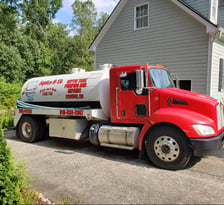
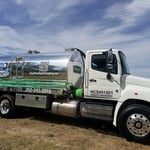
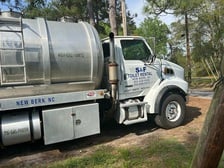
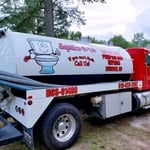
Our Truck
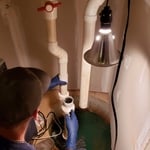
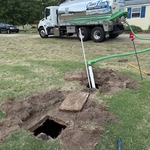
Working for you!
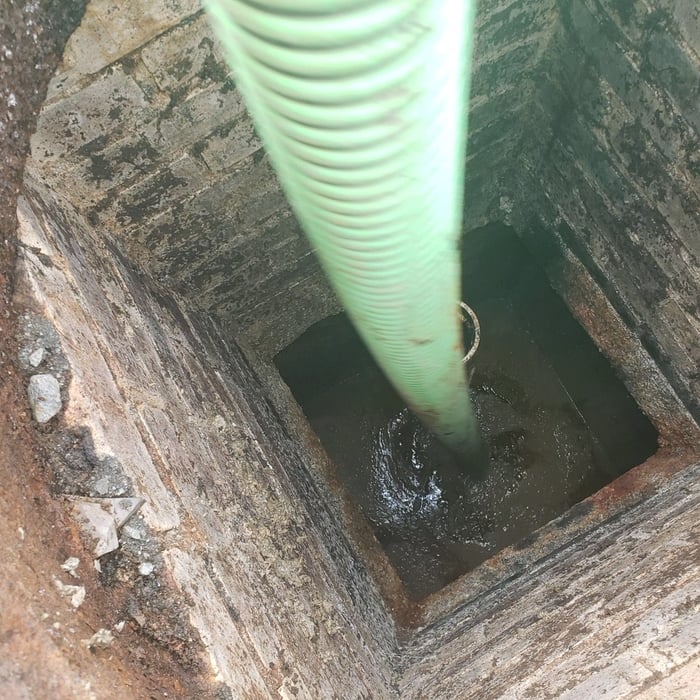
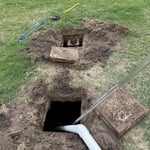
Tank
Pump
13 neighbors recently requested a quote
Recommended by25%of homeowners
Avatar for Merek Development
Merek Development
4.8(
3
)
Septic System - Install or ReplaceSeptic System - Install or Replace - For Business

Serving Dover, NC and surrounding areas

In business since 2021

Free estimates

Offers commercial services

"Blake and his team did a great job on our septic system. He was very informative as this was our first septic installation and we didn't know much about the process. From filing the permit, to installation, to teaching us how to maintain it, we were very happy with their service."
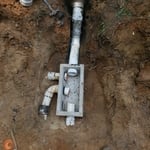
Drainfield
Tanks
Vanceboro Mound
Response time2 days
Response rate94%
Recommended by100%of homeowners
Avatar for American Home Shield – Home Warranty
American Home Shield – Home Warranty
3.5(
5,688
)
Septic System - Install or ReplaceSeptic System - Install or Replace - For BusinessSeptic System - Repair+3 more

Serving Dover, NC and surrounding areas

In business since 1971

Credit card accepted

"The technician emptied the freezer, which was in the basement, to work on the part that needed repair. Then he neglected to put anything back into the freezer, including a turkey I had bought for Christmas and a rack of ribs. Two days after he left, I went out of town for two weeks. The turkey actually exploded and spewed its liquid all over everything, which had to be discarded. I let AHS know and they couldn't even bother to call me or follow up on this. I'm considering not renewing my contract with them because of the quality (or lack thereof) of many of the providers they send."
Additional Photos
Additional Photos
Additional Photos
Additional Photos
Additional Photos

+2

Recommended by65%of homeowners
Showing 1-10 of 16
Septic Tanks questions, answered by experts

A mound septic system, when properly maintained, can last between 20 and 25 years on average—though some last longer or malfunction sooner than that. The most important part of maintenance is getting an annual inspection of the vital parts of the system to ensure they’re in proper working order and not too backed up with sewage.

The purpose of a septic tank is to allow solid wastes to separate out of the wastewater using time, gravity, and other natural biological processes. If your septic tank is too small, it might be overwhelmed by solid waste and unable to accomplish this task—and if it’s far too large, there won’t be enough liquid in the tank to nurture the necessary bacteria to aid in the breakdown process.

Regular checks of pressure tanks, testing water quality, and cleaning intake screens.

Yes. Amongst the four most common types of septic tanks—plastic, fiberglass, concrete, and steel—those made of concrete are the most expensive. This is the case for a few reasons, including the fact that they’re very heavy, so pros have to use specialized equipment to install them. However, they’re also incredibly durable, making the price worth it if it’s in your budget.

Septic drain lines (or leach lines) are typically buried between 18 and 36 inches underground, and should be at least 6 inches below the surface. These pipes are perforated and surrounded by filtering materials like sand or gravel. Burying the lines at this depth helps minimize odors and allows bacteria and other biological processes in the soil to effectively treat the wastewater. Burying lines too close to the surface can cause issues unless the soil is very compact and stable.

The Dover, NC homeowners’ guide to septic tank services

From average costs to expert advice, get all the answers you need to get your job done.