



Get matched with top siding pros in Aurora, NC
Top-rated siding pros.
Siding questions, answered by experts

Yes, insulated vinyl siding increases the R-value of your home. Depending on the quality and brand of the insulated vinyl, you can get an R-value that is up to 5 times greater than traditional vinyl siding. This can be fantastic for homeowners who are trying to lower their utility costs.

The best type of paint for vinyl siding is a high-quality acrylic latex paint, often labeled as '100% acrylic.' This type of paint is lightweight and adheres well to the vinyl surface, which reduces the likelihood of it peeling or flaking. For best results, apply two coats and avoid using thick paint. The color choice is also important; select a light color to prevent the paint from absorbing excess heat, which helps extend the durability of your paint job.

The average cost to replace siding is $10,500, but you should expect to pay an average of $12,000 to install new siding over stucco. The additional cost goes toward assessing the old stucco for damage, any necessary repairs before the new siding goes up, and the materials and labor required to install furring strips over the stucco to attach the new material. Even with this additional cost, installing siding over stucco is often more affordable than removing the stucco and starting over.

You cannot install clapboard siding on a bare, unprepared surface. Clapboard siding requires a clean, sturdy base made from plywood or similar materials, sometimes called backerboard. Then, it needs an underlayment or sheathing, a moisture membrane to help protect the exterior wall.

Note that sometimes clapboard siding is caulked as it’s installed for additional protection. We don’t suggest this: Caulking the siding can trap moisture inside the clapboards and lead to moisture damage over time. The siding needs some space to “breathe,” especially in rainy weather.
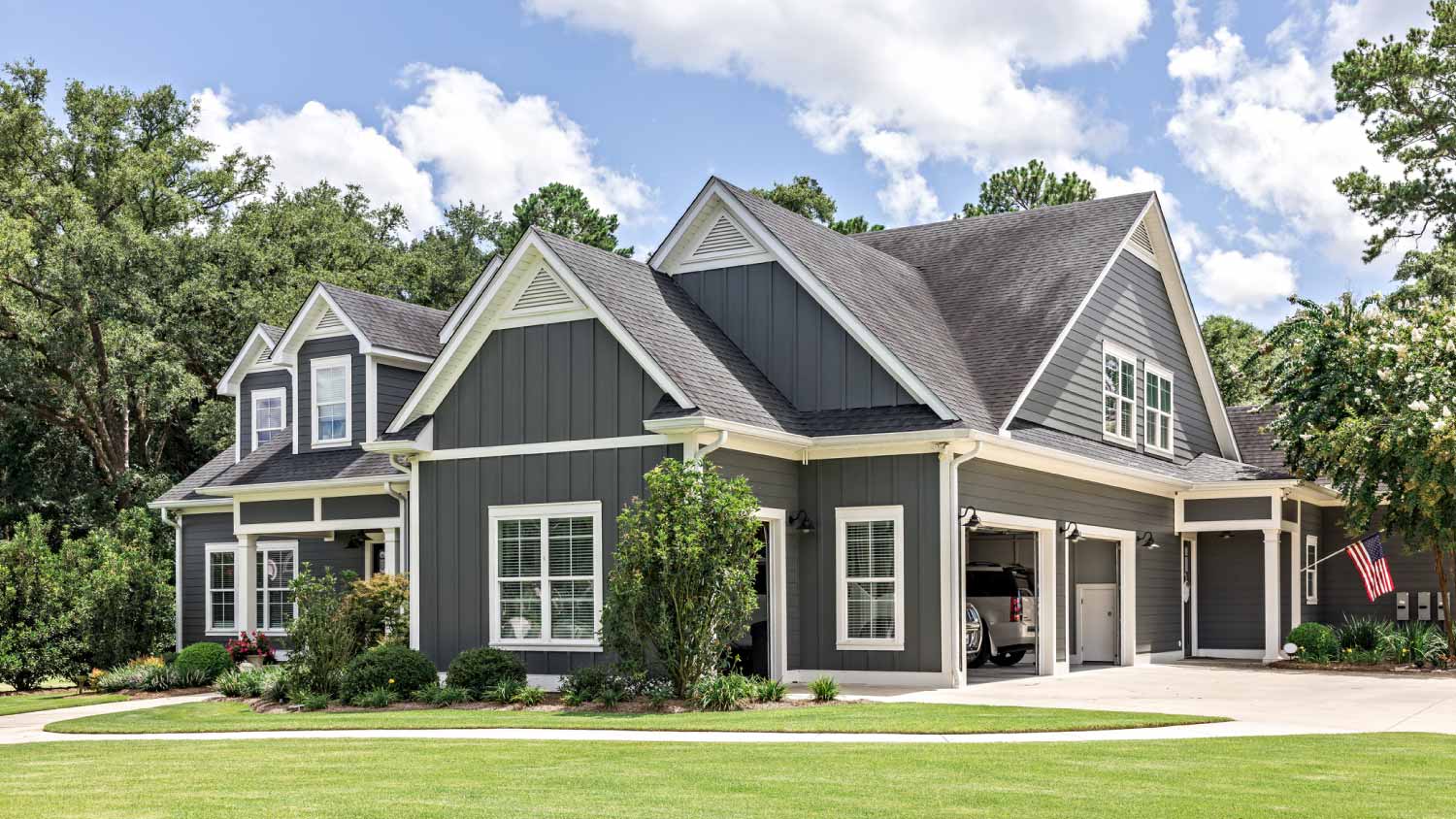
You should plan to stain or refinish your home's cedar siding every three to seven years to maintain its appearance and provide maximum protection, though some estimates suggest a range of four to six years. The exact frequency depends on several factors, including your local climate, exposure to severe weather like direct sunlight, rain, and wind, the quality of the initial stain application, the type of stain used, and the overall condition and quality of the wood.

For homes in harsh climates with high humidity and significant sun exposure, you should plan on staining as often as every three years, while those in milder locations may only need to do so every seven years. For the longest-lasting protection in particularly harsh climates, consider using an opaque stain.

If you are looking for a lower-maintenance alternative, you might consider vinyl or aluminum siding. While the initial installation cost can be higher, they do not require as much upkeep and can offer more value over time, especially in areas with excessive rainfall or high humidity.