



Top-rated arborists.

Get matched with top arborists in Great Falls, MT

Enter your zip and get matched with up to 5 pros

Need a pro for your arboricultural service project in Great Falls, MT?

Select your specific project to find the pro for you.

TRUSTED BY GREAT FALLS, MT HOMEOWNERS

  • Average homeowner rating star icon4.1
    Average homeowner rating
  • Verified reviews icon94
    Verified arboricultural services reviews

Find Arborists in Great Falls

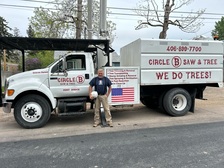
Avatar for Circle B Saw and Tree
Circle B Saw and Tree
3.6(
13
)
Tree TrimmingTree RemovalTree Stump - Remove

Serving Great Falls, MT and surrounding areas

Approved

In business since 2010

Free estimates

Emergency services offered

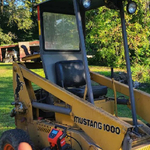
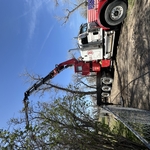
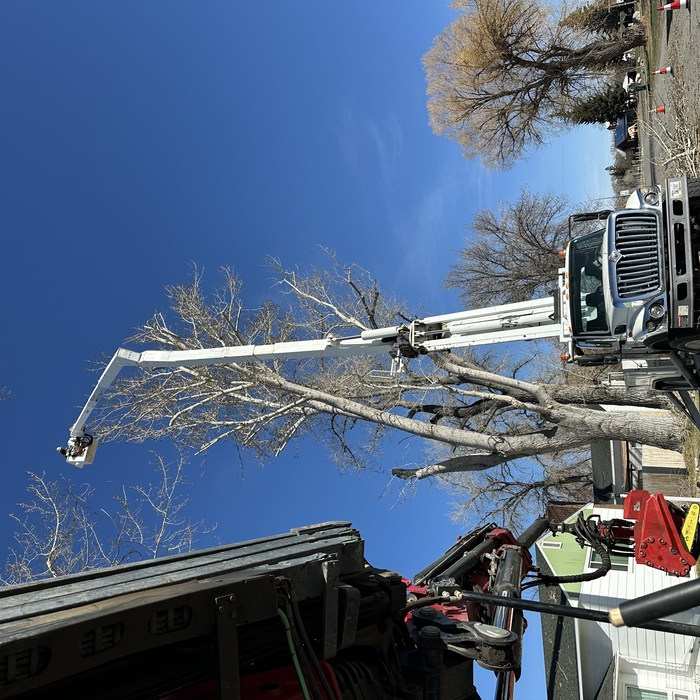
"These two guys did a wonderful job. Brian's son....I'll call him Paul Bunyon....tossed log chunks around like they were toothpicks. Brian did a great job running his loader and hauling debris to their dump truck...I'd hire these guys again in a heart beat. Thanks Brian and thanks Tenneson."
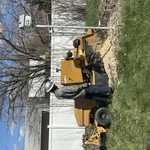
Stump Grinding
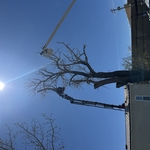
Crane and Bucket
Crane and Bucket
Saw Crane
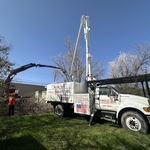
Bucket Truck

+3

1 neighbors recently requested a quote
Recommended by77%of homeowners
Showing 1-10 of 34
Arborists questions, answered by experts

All of the tree root removal methods mentioned above are effective on any kind of root, whether it’s still growing or simply needs a gentle nudge to finish decomposing. The only difference is that larger roots tend to be harder to remove and may require multiple chemical treatments as well as manual labor to eradicate.

Generally, avoid trimming trees in the summer (with the exception of pruning fruit trees as needed). Trees use a lot of energy in the summer, most of which is relegated to new growth. If you chop it too early, you could stunt the next season's growth. Again, when in doubt, do some research based on the specific tree type.

There are a few differences between tree guying and tree staking. Tree guying requires anchor stakes that are shorter and stronger than regular stakes and are driven deeper into the ground at an angle away from the tree. Tree staking uses longer stakes that are set parallel to the tree and are used for smaller trees. Consult a local tree professional to determine which method is best for your tree.

In most cases, you should not use a pruning seal on trees after trimming. Applying a sealant can interfere with the tree's natural healing process, and it does not guarantee protection from pathogens. Instead of sealing the cut, the best practice is to support the tree's natural recovery by providing it with plenty of water and a dormant-style fertilizer. However, there are exceptions. Pruning seals may be recommended for very vulnerable species, like elm trees, in areas where dangerous diseases such as Dutch elm disease are prevalent. In these specific situations, the protection offered by a sealant can outweigh its downsides. For advice tailored to your situation, especially after cutting large branches, it is best to consult a local tree trimming professional.

If it’s only a smaller branch that has died and you’re keeping an eye on the tree, it’s probably nothing to worry about. But if other nearby branches start dying off as well, or a very large branch dies, then you likely have a bigger problem. It’s time to watch for diseases and other problems and possibly get professional guidance on how to proceed.

The Great Falls, MT homeowners’ guide to arboricultural services

From average costs to expert advice, get all the answers you need to get your job done.