"He was able to quickly diagnose that the water leak from the water heater was a result of a ruptured tank, resulting in the need to replace the entire water heater."
"I just pay $75 you never know who's going to come out. They do everything electrical. Just about everything is covered except the septic tank. I had an air conditioner replaced. It went great, all I had to do was pay for the freon. He didn't charge e more than what was needed."
Rob Heavilin of Quality Plumbing Services, PLLC can help you with all of your plumbing needs, from simple clogs to new tubs and showers to water mains. All with friendly professional service.
We take great pride in our experience, expertise, quality and customer service that we provide to meet every consumer's needs.
\nIt is our mission to provide excellent customer service from start to completion of a project.
\nTo understand the needs and expectations of our customers, we take great care to work and communicate with every customer in a personal and professional manner.
\nOur reputation is based on service, safety and quality, regardless of how large or small the job.
\n
We pride our company on reliability, great communication, integrity, and quality work. We are experts in our trade and will do our best to keep you as educated as we can on your particular task or project. We look forward to earning your business!
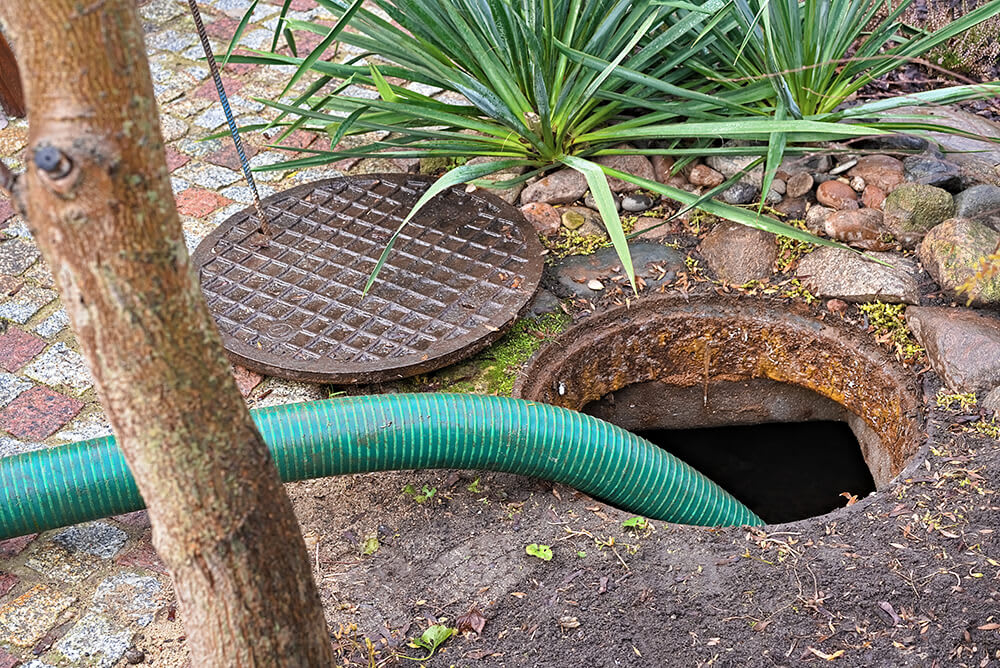
A septic tank is an underground container that collects and holds wastewater until it’s sufficiently filtered and broken down. It treats wastewater by separating waste so the leftover liquid can travel into the drainfield where the soil and gravel eventually filter and purify it. This process naturally eliminates bacteria, viruses, and other contaminants.
Most professionals recommend that a deep well pump shouldn’t run more than 10 hours consecutively before cycling off. Overworking the well pump beyond the recommended amount can prematurely wear out your pump and burn out the motor, which means replacing it more often than you otherwise should need to. Your well pump should also come with the manufacturer’s use and maintenance recommendations that are specific to the model.
Signs that your well is dry include a decrease in water pressure, strange odors coming from faucets, cloudy, bubbly, or discolored water, and water that’s warmer than normal. Signs that your well pump is bad are similar, but you may also notice higher-than-average electric bills, strange clicking sounds, and faucets that spit or sputter.
The best times of year to empty or pump a septic tank are spring and fall. Many professionals recommend spring because the ground has thawed, making the tank easier to access and the waste less likely to be frozen. Pumping before summer also helps avoid conflicts with vacations or outdoor gatherings. Fall is another great option, as contractors may be less busy, and servicing the tank can reduce the risk of overflow from winter and spring precipitation. While summer is also a suitable time, winter is generally not recommended due to frozen ground.
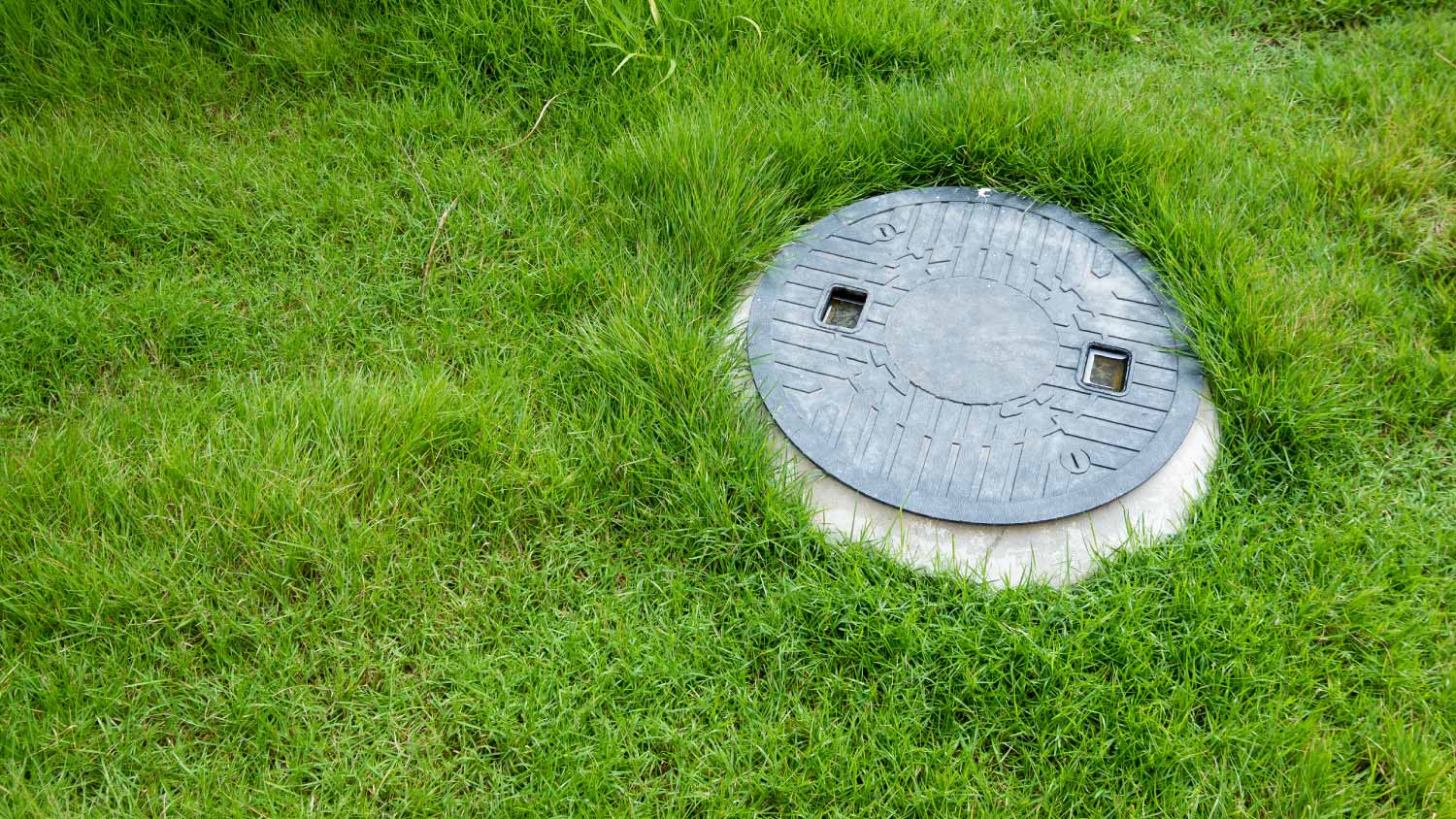
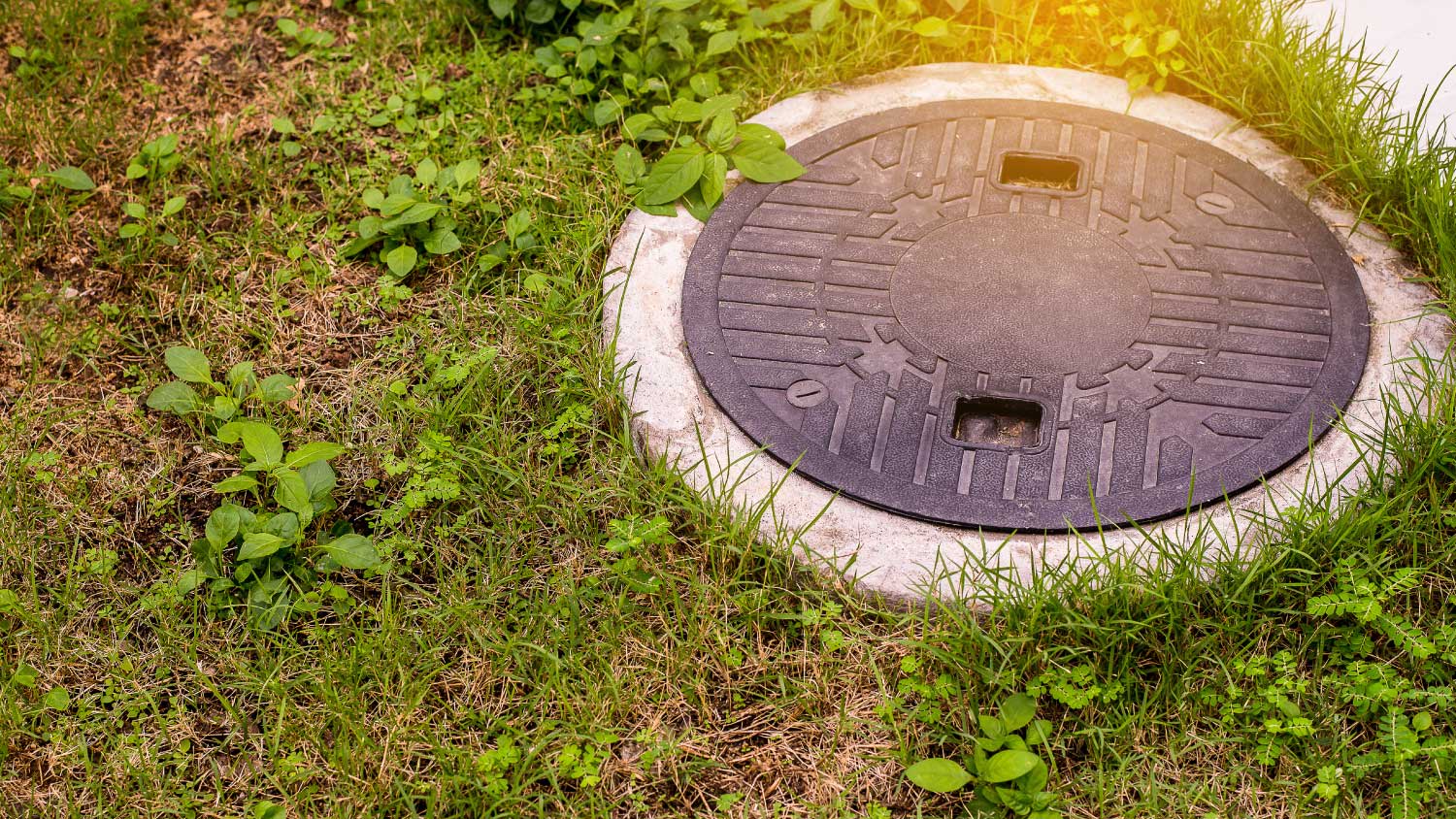
There is no standard depth for burying a septic tank; they are typically buried anywhere from 4 inches to 4 feet underground. The final depth depends on several factors, including the depth of your main sewer line, the height of the bedrock, soil type, local regulations, and the property's landscape. If you plan to grow grass or plants over the tank, a depth of at least 4 to 6 inches is recommended. Deeper tanks can be more difficult to locate, but a septic professional can help find it for you.
The Galata, MT homeowners’ guide to septic tank services
From average costs to expert advice, get all the answers you need to get your job done.
Caring for your septic system is crucial to ensuring its long life. But how much does it cost to pump a septic tank? We explore the different cost factors.
A damaged septic system can leak odors and sewage, so repairs are urgent. Find out how much septic tank repair costs based on repair type, tank size, and more.
Septic tank risers make it easy to access your septic tank when it’s time for routine inspection, maintenance, and pumping, saving you precious time and labor costs.
Septic tank sizes vary depending on the size of your home, how many people live there, how much water you use, and more. Read on to learn how to determine the right size for you.