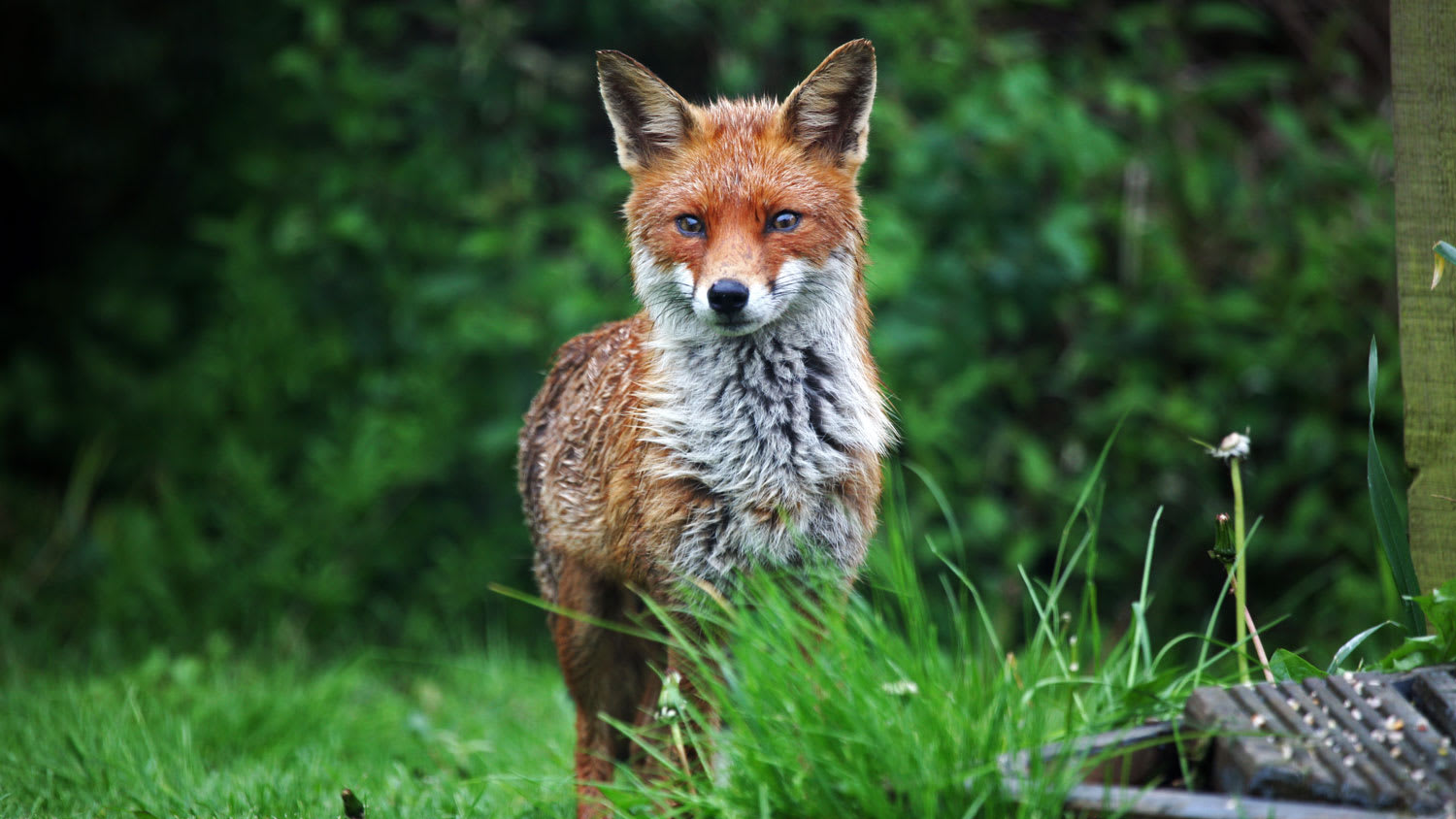
While doggie doors are convenient for pet owners, they do offer a few drawbacks. For instance, they’re small enough that unwanted critters could come into the house, such as raccoons, snakes, rats, and insects.
They’re also large enough that small children can escape through them, which can be a serious concern to parents of young children.
Finally, doggie doors can make it difficult to regulate your home’s temperature because they constantly let in hot or cold outside air.
No, poison isn’t the best way to deal with animals in your attic. It’s unlikely to completely eradicate the problem, especially if you don’t take care of access points. Also, poisoned animals may die and decay in the attic, causing noxious odors.
Some animals may leave the attic before the poison kills them, which could lead to nearby pets or other wildlife eating the animals and becoming poisoned themselves. Ultimately, it’s better to avoid using poison and contact a professional instead.
While there are plenty of DIY home remedies for pests, trapping and fumigation costs are worth the investment when dealing with a serious infestation that is hard to get rid of, like termites, bed bugs, or mice.
DIY traps and sprays might help eliminate a few ants or the occasional mouse, but they're no match for a full-blown infestation. Call an extermination pro to locate where pests hide, how to treat the issue at the source, and how to keep it from returning.
While some pets, especially dogs, may chase rabbits away due to their natural hunting instincts, relying solely on pets to deter rabbits is not foolproof. Some rabbits can become accustomed to the presence of pets over time, and not all pets possess the same level of hunting inclination. What’s more, rabbits can potentially carry serious diseases like Tularemia and E. cuniculi, which they could pass to your pets.
Cockroaches, ants, flies, bed bugs, and termites are common in business environments.
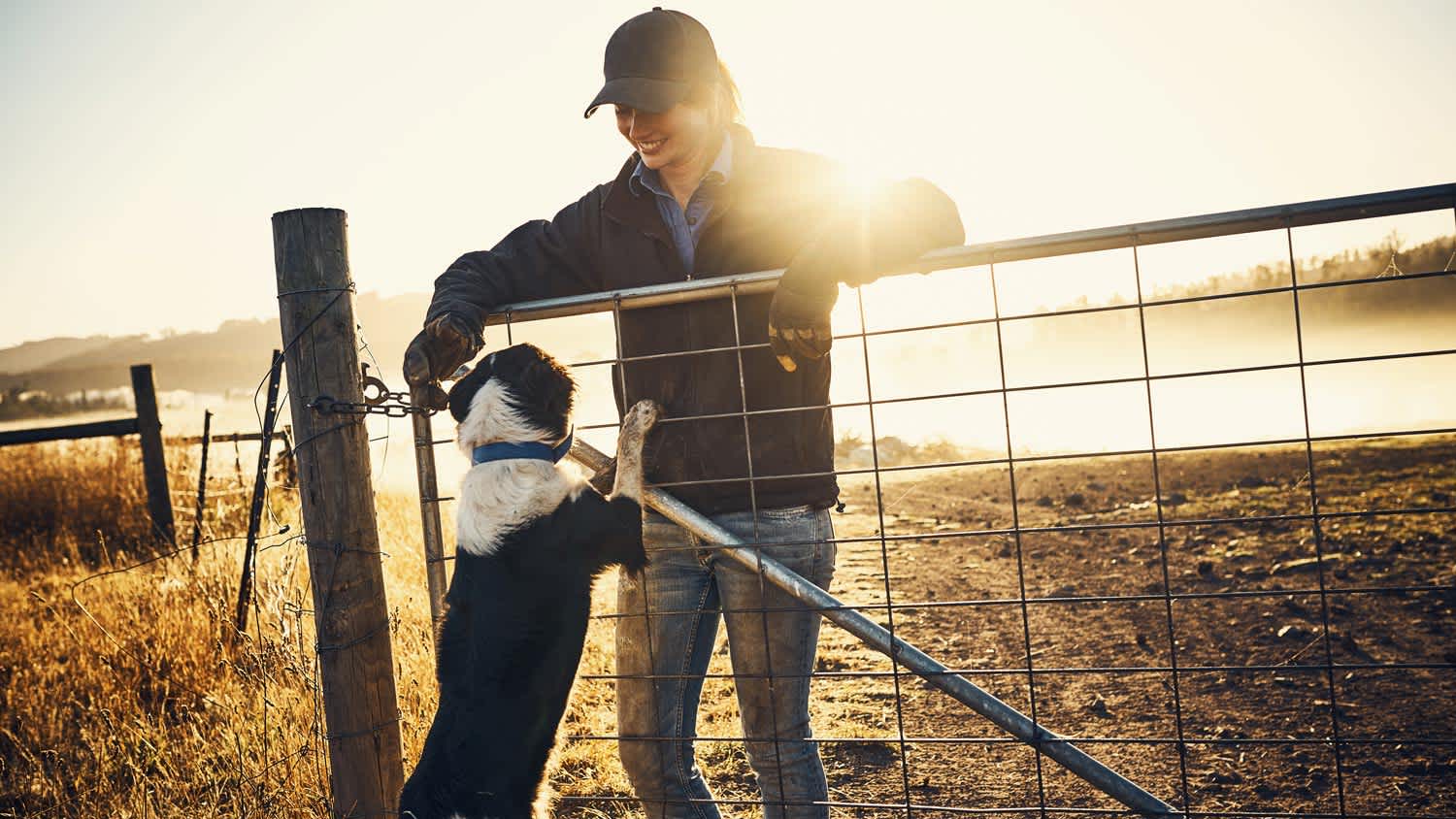
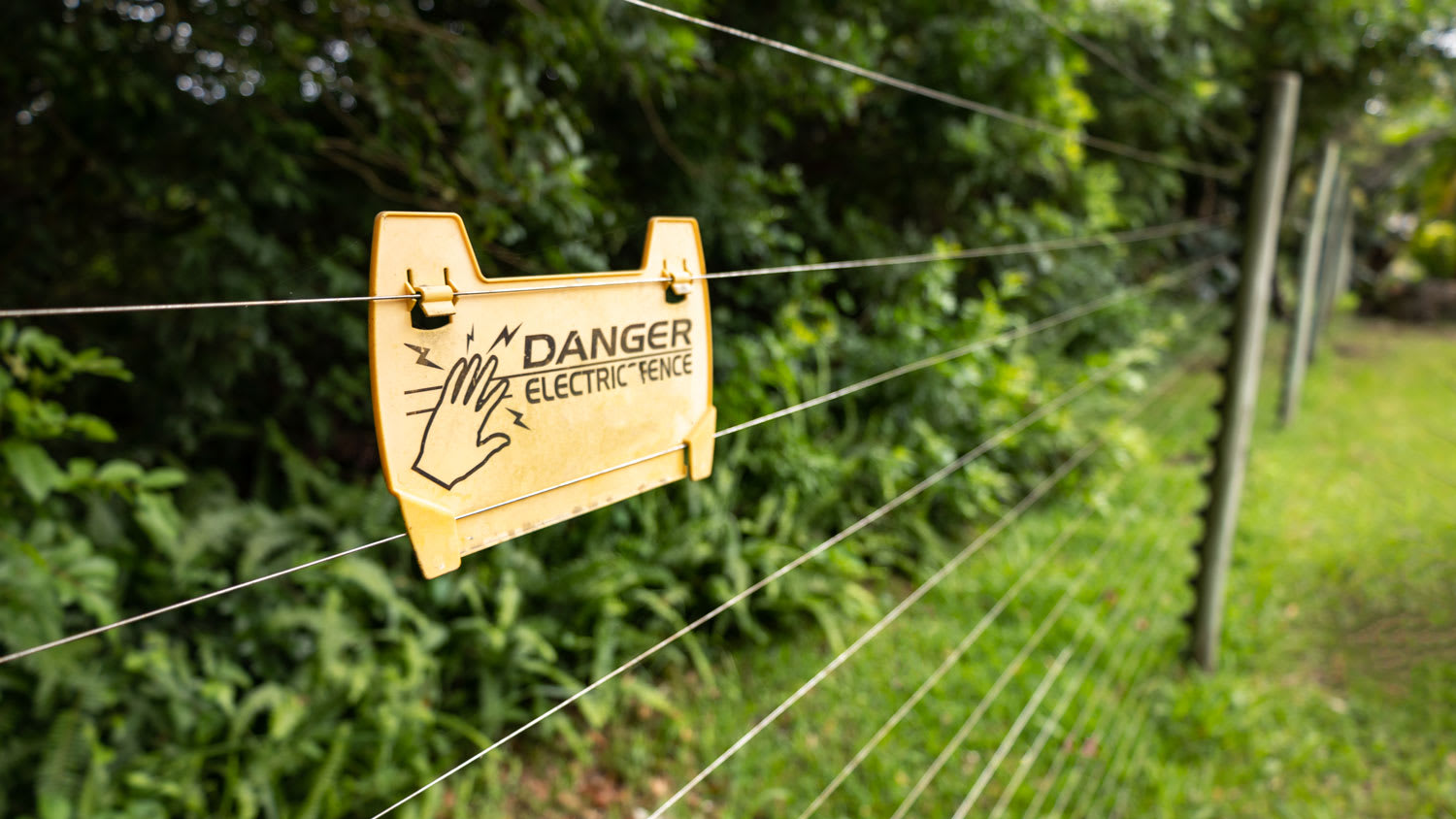
The Circle, MT homeowners’ guide to animal fencing services
From average costs to expert advice, get all the answers you need to get your job done.
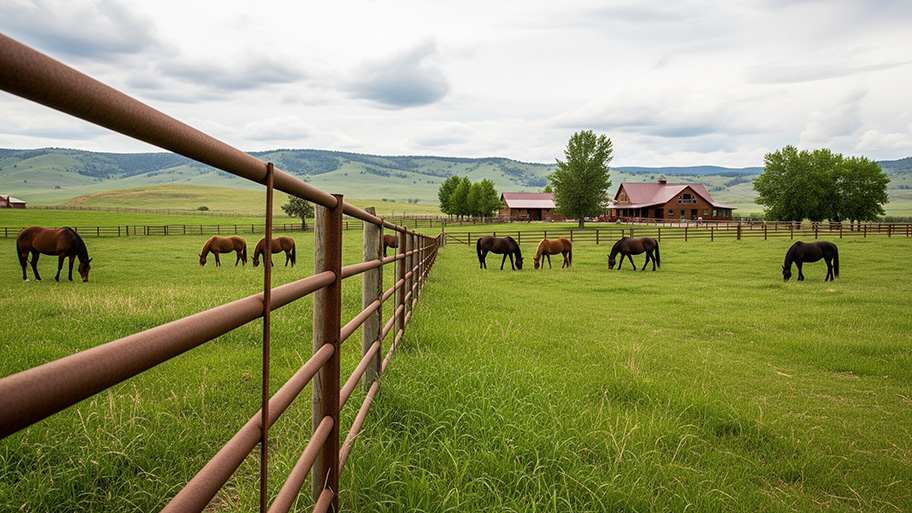
Pipe fencing is an extremely strong, durable option for containing horses and other livestock. This guide breaks down the factors that affect pipe fence cost.