Attempting to squish a scorpion by hand or foot isn’t a good idea, as many can flatten themselves and survive a simple strike—plus, they’ll be provoked and very likely to sting. Instead, it's best to use a sharp or heavy object to pierce or crush the exoskeleton with force. Always wear protective clothing, including thick gloves, pants, and closed-toe shoes, to avoid being stung. Use long tweezers, scissors, or a knife to pierce the exoskeleton or crush it with a heavy object, making sure to twist or press down firmly to ensure the scorpion is truly dead.
Once the animals and their young are out of the house, remove the nest and locate any entry points. Some may be difficult to find because some animals can fit through very small holes. Once you’ve located as many entry points as possible, use materials such as metal or masonry to block off the entry. Ideally, you should choose materials that most animals cannot chew through. Create a one-way door or flap to allow animals to leave but not return. Additional methods include using repellants designed to make an area unappealing to the types of animals that find your home so inviting.
Groundhogs are non-aggressive animals that are afraid of humans. They forage for vegetation in yards and gardens, so they can often be seen as a nuisance if you spot one on your property. That said, if you happen to get bitten or scratched by a fearful groundhog, be sure to get checked by a doctor, as they could carry infections or diseases like rabies, Lyme, or the rare tularemia.
Moles live underground and feed on insects. They dig and move through tunnels, usually in meadows or forests but sometimes in lawns and gardens. They are about 6 inches long with large claws, tiny eyes, and hidden ears.
Shrews do not dig their own tunnels but will use other animals’ tunnels, and are about 3 to 4 inches long. They look similar to mice and feed on insects.
Voles are similar in size to moles but have large eyes and small but visible ears. Rather than eating insects, voles are herbivores that prefer seeds, grasses, and plant roots.
Bears are most active at dawn and dusk. They can be active at any point during the day, but the hours after sunset and before sunrise are their primary feeding times. As far as time of year goes, bears are generally active from April to November and hibernate throughout the winter and early spring. Bears are more likely to be aggressive in the spring right after hibernation but more likely to be seen in the fall because they are preparing for hibernation.
The Frazer, MT homeowners’ guide to animal fencing services
From average costs to expert advice, get all the answers you need to get your job done.
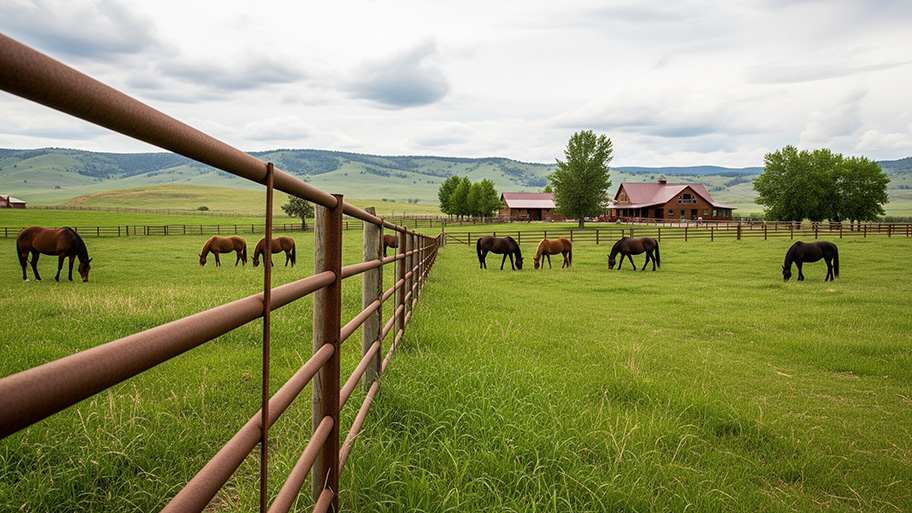
Pipe fencing is an extremely strong, durable option for containing horses and other livestock. This guide breaks down the factors that affect pipe fence cost.