Yes, many professionals offer eco-friendly pest control solutions. These services often use non-toxic and environmentally safe products and integrate green practices to ensure effective pest management with minimal environmental impact.
Setting up an animal trap in your yard largely depends on where you live and the type of critter you're dealing with. In many states, trapping nuisance animals like squirrels, rats, or raccoons is allowed, sometimes without needing a permit. However, certain wildlife species are protected, and not all states have lenient catch-and-release regulations.
Before placing a trap, check your local laws to avoid fines or other legal issues. Some areas allow DIY trapping, while others may require professional assistance. Most areas require a professional to relocate the animal once trapped. Consulting a pro ensures you handle the situation responsibly, humanely, and within the law.
If the cat is stray (you noticed a collar or other signs of domestication), the kind thing to do is to try and find the owner. Call around to other neighbors to see if they can lead you in the right direction. If you can get close enough to snap a picture, try posting an image of the cat to local community groups and pages on social media.
If the cat is feral, you can try to humanely trap them and participate in a local shelter’s TNR program. Before attempting capture, call around to local rescues and shelters to make sure one near you does participate in a TNR program. They may even be able to catch the cat for you.
If you discover a dead animal in your air ducts, address the issue promptly to prevent unpleasant odors and potential health hazards. Turn off your HVAC system to prevent further spread of contaminants and contact a professional HVAC technician or pest control specialist to remove the animal and clean the affected area. They have the tools and expertise to handle the situation, including removing and disinfecting contaminated ductwork. The technician will inspect the ducts for any damage or other issues that might have allowed the animal to enter.
Ground moles are not typically dangerous. They're not known to carry rabies like many other wild animals, such as raccoons, skunks, and bats. And they don't typically bite humans, although it's possible if they feel threatened. If you do get bitten by a mole, it's best to see a physician to be safe, but most often, the bite will heal on its own unless it gets infected.
The Terry, MT homeowners’ guide to animal fencing services
From average costs to expert advice, get all the answers you need to get your job done.

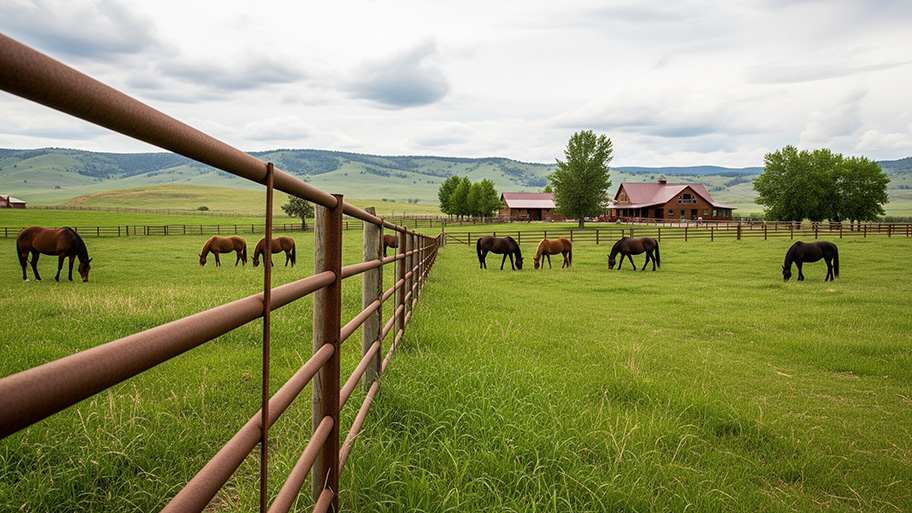
Pipe fencing is an extremely strong, durable option for containing horses and other livestock. This guide breaks down the factors that affect pipe fence cost.