

Top-rated excavation pros.

Get matched with top excavation pros in Scooba, MS

Enter your zip and get matched with up to 5 pros

Need a pro for your excavation project in Scooba, MS?

Select your specific project to find the pro for you.

Find Excavation pros in Scooba

Red Clay Construction
New to Angi
Building Site - Preparation and ClearingBuilding Site - Preparation and Clearing - For Business

Serving Scooba, MS and surrounding areas

Approved

In business since 2022

Credit card accepted

We take great pride in offering the best possible experience with our expertise, quality, and customer service. In order to understand the needs and expectations of our clients; we take great care to work and communicate with everyone in a professional manner. It is our mission to exceed our clients expectations by providing excellent workmanship and complete customer satisfaction, from the start of each project to its completion. Our reputation is based on service, safety, and quality, regardless of how large or small the job.

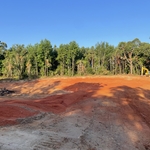
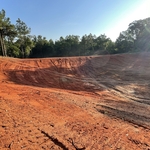
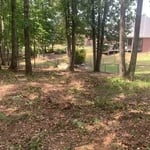
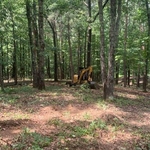
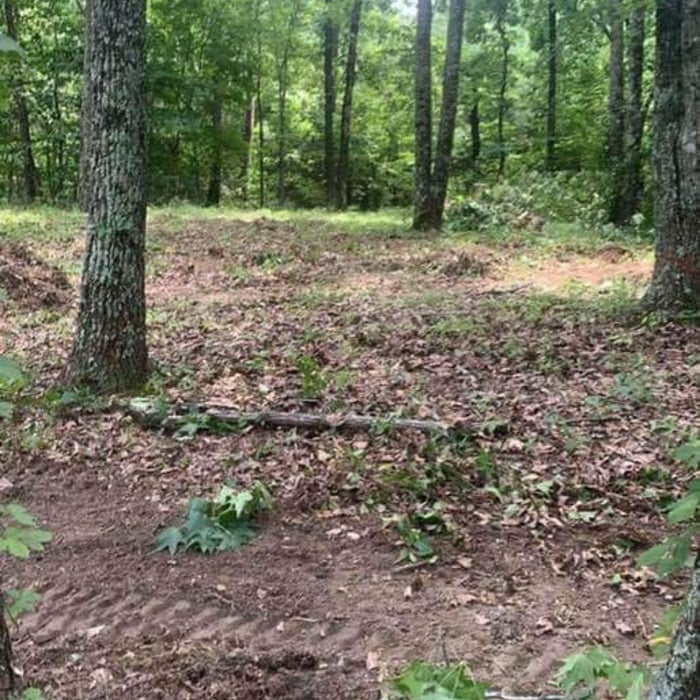
Building preparation/ House pad
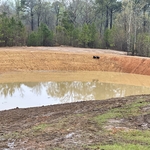
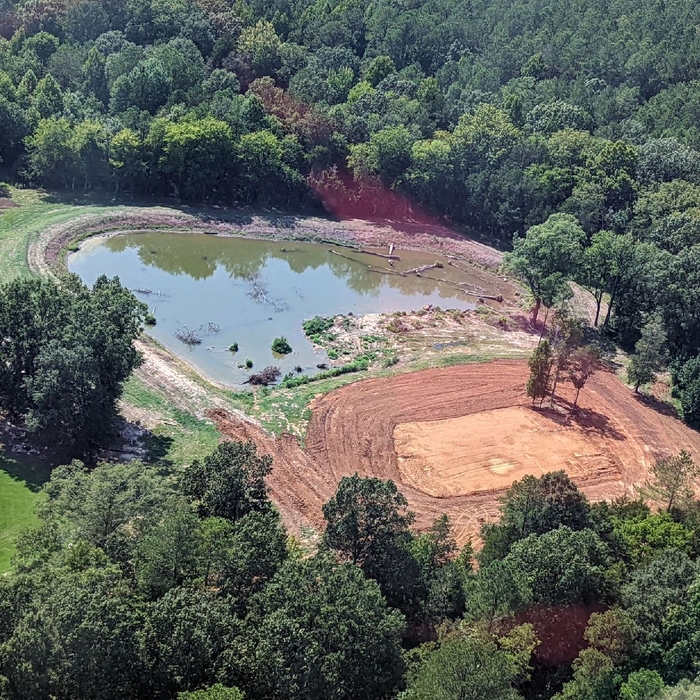
Pond Construction
Pond, House, MS
Pond, House, MS
Starkville house pad

+1

Response time20 mins
Showing 1-10 of 35
Excavating questions, answered by experts

There is no standard depth for burying a septic tank; they are typically buried anywhere from 4 inches to 4 feet underground. The final depth depends on several factors, including the depth of your main sewer line, the height of the bedrock, soil type, local regulations, and the property's landscape. If you plan to grow grass or plants over the tank, a depth of at least 4 to 6 inches is recommended. Deeper tanks can be more difficult to locate, but a septic professional can help find it for you.

No, a ditch isn’t a trench. A ditch is an open, relatively shallow channel that’s carved out of the ground and used for drainage purposes. In contrast, a trench is a deeper excavation that’s entirely underground. Trenches have many uses, including gas lines, sewage systems, and electrical wiring. Unlike trenches, ditches don’t get filled back in with dirt after they’re dug.

Excavation and grading are both generally necessary for designing your foundation, and leveling the ground where your foundation will go. These steps can also prepare the area by removing vegetation and anything else that could interfere with your home’s foundation.

Trenches are typically 12 to 24 inches deep and 8 inches wide. However, the required depth depends on the specific project and local ordinances. For example, a French drain may need to be 18 inches deep, while a water pipe might require a depth of 24 inches and a drainage pipe 36 inches. Your city or county may have specific regulations, so it's wise to consult with an excavation professional to determine the correct depth for your project.

It takes one hour to dig a 10-foot trench by hand. Use a trenching shovel with a sharp tip and a long head. Plan for more time if your soil is heavy or rocky. Consider renting a trencher if you’re digging a long or deep trench or if you have challenging soil or terrain. 

The Scooba, MS homeowners’ guide to excavation services

From average costs to expert advice, get all the answers you need to get your job done.