





Top-rated excavation pros.

Get matched with top excavation pros in Macon, MS

Enter your zip and get matched with up to 5 pros

Need a pro for your excavation project in Macon, MS?

Select your specific project to find the pro for you.

Find Excavation pros in Macon

Avatar for Nailed It, LLC
Nailed It, LLC
5.0(
6
)
Building Site - Preparation and ClearingBuilding Site - Preparation and Clearing - For BusinessExcavation - Major Grading or Resloping+2 more

Serving Macon, MS and surrounding areas

In business since 2019

Free estimates

Credit card accepted

"Mike did a great job! I have been looking for an all around handyman to fix and install things around a property that I own. I'm glad I found Mike. He has already done two jobs for me. He is flexible schedule-wise and very responsive to texts and calls. His prices are not the lowest but they are reasonable. Very friendly and polite to me and my tenants and he can do a lot of different types of work. I highly recommend him as a general contractor/handyman."
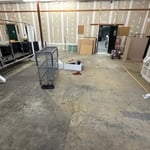
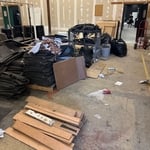
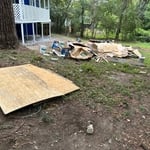
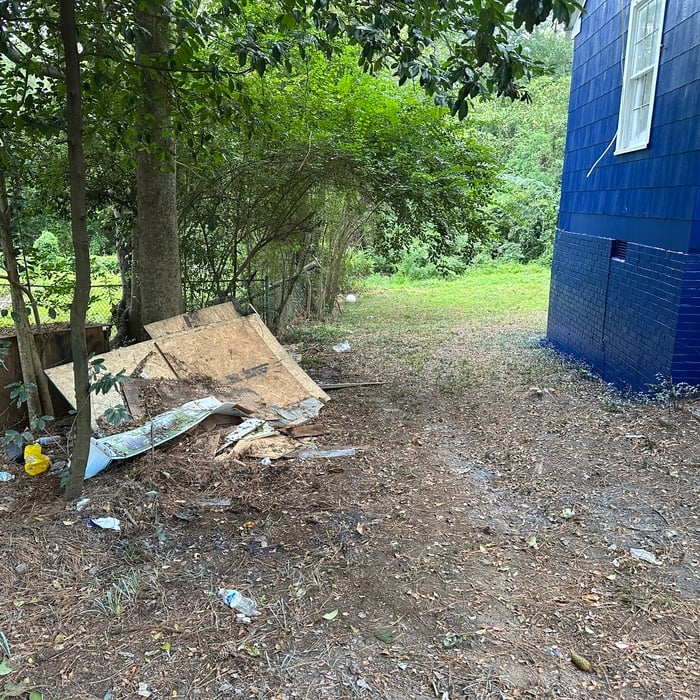
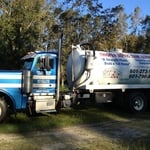
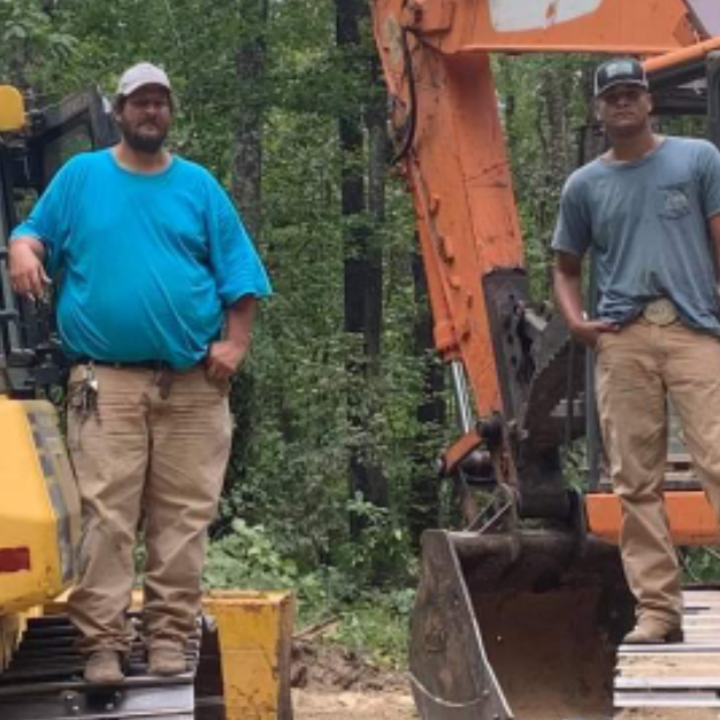
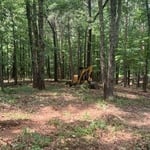
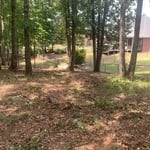
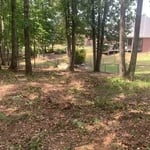
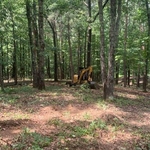
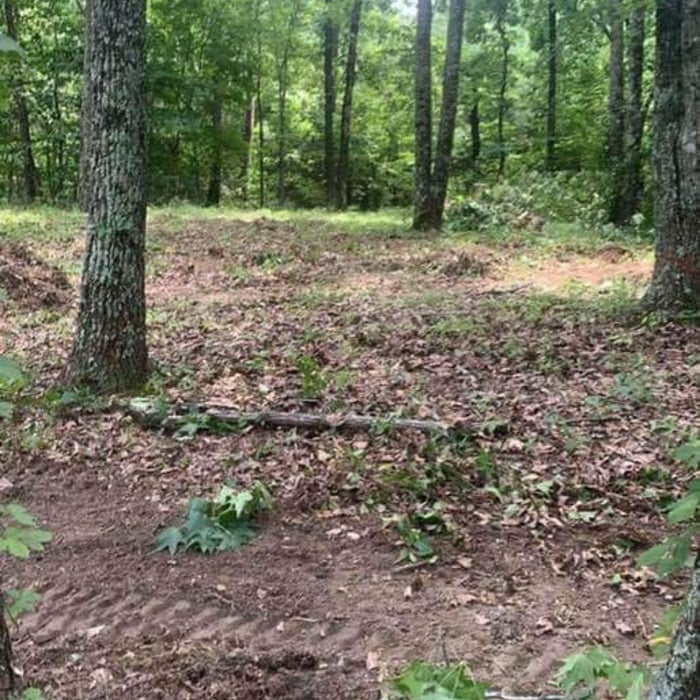
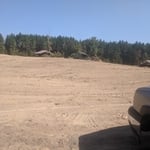
Additional Photos
Recommended by100%of homeowners

Showing 1-10 of 37
Excavating questions, answered by experts

Yes, you can technically make a crawl space liveable, but the only way to do so is by converting it into a basement. While some crawl spaces are big enough to walk through and store large items, they lack appropriate insulation and space to be liveable.

A trench that is less than 5 feet deep often doesn't require a protective system. Most residential trenches will not go this deep (the typical residential drainage trench is just 18 inches deep). In the event that an excavator needs to dig more than 5 feet beneath the surface, a protective system is required unless the excavation is in entirely stable rock.

No, a ditch isn’t a trench. A ditch is an open, relatively shallow channel that’s carved out of the ground and used for drainage purposes. In contrast, a trench is a deeper excavation that’s entirely underground. Trenches have many uses, including gas lines, sewage systems, and electrical wiring. Unlike trenches, ditches don’t get filled back in with dirt after they’re dug.

Trenches are typically 12 to 24 inches deep and 8 inches wide. However, the required depth depends on the specific project and local ordinances. For example, a French drain may need to be 18 inches deep, while a water pipe might require a depth of 24 inches and a drainage pipe 36 inches. Your city or county may have specific regulations, so it's wise to consult with an excavation professional to determine the correct depth for your project.

Excavations take a few days or up to a few weeks. The time it takes to excavate an area depends on the size of the area, the type of soil, the type of excavator, and even the time of year, since winter can make digging up the ground more difficult.

The Macon, MS homeowners’ guide to excavation services

From average costs to expert advice, get all the answers you need to get your job done.