









Top-rated excavation pros.

Get matched with top excavation pros in Marion, MS

Enter your zip and get matched with up to 5 pros

Need a pro for your excavation project in Marion, MS?

Select your specific project to find the pro for you.

Find Excavation pros in Marion

Avatar for J And B Equipment, LLC
J And B Equipment, LLC
3.0(
2
)
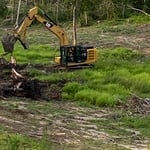
Building Site - Preparation and ClearingBuilding Site - Preparation and Clearing - For BusinessExcavation - Major Grading or Resloping+2 more

Serving Marion, MS and surrounding areas

In business since 2014

Free estimates

Credit card accepted

"Wonderful. We had a contractor do us wrong on our roof two years ago. Jonathan and Brandy took the tin off and rebuilt all the braces and fixed it perfect. He and his crew did a wonderful job at a great price. I will call him for anything I need. He does great quality work."
Clean up after storm
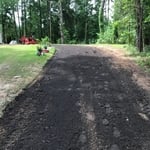
Driveway
Clean up after storm
Recommended by50%of homeowners

Showing 1-10 of 43
Excavating questions, answered by experts

Sewer lines can be buried anywhere from 18 inches to 8 feet deep, with a common average depth between 18 and 30 inches. The exact depth depends on local factors like climate and soil type. In colder regions, pipes must be buried deeper (below the frost line) to prevent freezing, sometimes as deep as 8 feet. The digging depth can also impact the cost of sewer line replacement. To find the specific depth for your property, you can check the building plans for your system, which should be on file with your city or local sanitation department since permits are required for installation.

A perc test can take anywhere from one to eight hours to complete. The total time depends on factors like the amount of excavation required, the depth and width of the holes, and whether multiple test holes are needed. For a single hole, the process of filling it with water and monitoring the drainage rate usually takes less than an hour. Professionals can often complete the entire test in a single day. While it's possible to get results the same day, some companies may take a few days to provide the official report.

No, a ditch isn’t a trench. A ditch is an open, relatively shallow channel that’s carved out of the ground and used for drainage purposes. In contrast, a trench is a deeper excavation that’s entirely underground. Trenches have many uses, including gas lines, sewage systems, and electrical wiring. Unlike trenches, ditches don’t get filled back in with dirt after they’re dug.

Hard soil could be a sign of overly dry dirt, either from poor drainage or drought. It's important to test the nutrient levels, density, and drainage capacity of your soil to see if it's absorbing water properly. Begin by adding a light layer of water and observing how long the soil retains moisture. If you experience a good deal of runoff, you may need to aerate your lawn, apply a wetting agent, or hire a professional for a closer look.

The physical constraints of hand-drilling a well limit the depth you can achieve. Manually digging with picks and shovels may only lead to shallow wells of up to 60 feet in depth. To reach greater depths, you need more specialized equipment. The diameter of your well and the tools you’re using will determine how far down you can dig.

The Marion, MS homeowners’ guide to excavation services

From average costs to expert advice, get all the answers you need to get your job done.