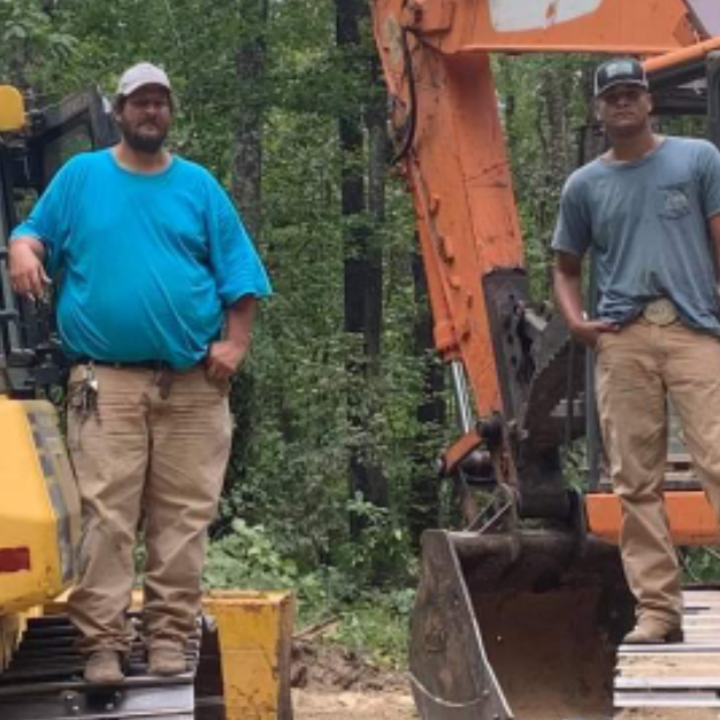


Top-rated excavation pros.

Get matched with top excavation pros in Shuqualak, MS

Enter your zip and get matched with up to 5 pros

Need a pro for your excavation project in Shuqualak, MS?

Select your specific project to find the pro for you.

Find Excavation pros in Shuqualak

Avatar for Nailed It, LLC
Nailed It, LLC
5.0(
6
)
Building Site - Preparation and ClearingBuilding Site - Preparation and Clearing - For BusinessExcavation - Major Grading or Resloping+2 more

Serving Shuqualak, MS and surrounding areas

In business since 2019

Free estimates

Credit card accepted

"Mike did a great job! I have been looking for an all around handyman to fix and install things around a property that I own. I'm glad I found Mike. He has already done two jobs for me. He is flexible schedule-wise and very responsive to texts and calls. His prices are not the lowest but they are reasonable. Very friendly and polite to me and my tenants and he can do a lot of different types of work. I highly recommend him as a general contractor/handyman."
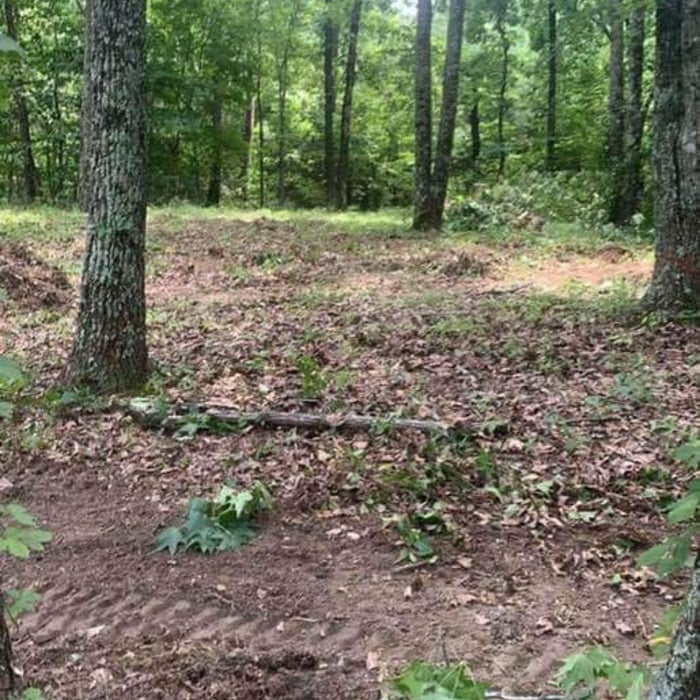
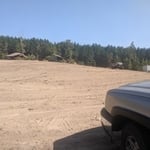
Additional Photos
Recommended by100%of homeowners
Showing 1-10 of 35
Excavating questions, answered by experts

As a general rule, the protected area should be about 1½ times as wide as the canopy of the tree’s leaves. This digging measurement can vary by tree species and the age of the tree. Of course, that can be a lot of fencing for larger trees, which is why our first step is about making difficult decisions on which trees to save.

Drilled wells have a pipe sticking up that’s covered in a plastic or metal casing. On the other hand, a dug well will look like a big hole in the ground and is more similar to what you’d see in a fantasy or Western movie. If you want to be sure, contact the city for documentation on your property’s construction and excavation history. 

In the United States, a depth of 36 inches (three feet) for underground water lines is the accepted industry standard. This depth varies from location to location based on local conditions. In areas with colder winters, they may be buried deeper to prevent frozen well water pipes : This is usually at least six inches below the frost level. The International Plumbing Code calls for a minimum of 12 inches below grade.

The best way to protect tree roots is to avoid the roots entirely by excavating outside the root radius of the tree. For nearby projects, it’s a good idea to construct a temporary retaining wall. But that’s not always possible, depending on the project and the root system. In these cases, consider using alternative equipment like an auger to tunnel under the ground.

Remember, tree roots can damage nearby cement foundations as they grow. If a tree is close enough to interfere with large excavations, it may be better to remove the tree than risk future problems.

We recommend removing the stump, and grinding is a popular way to do it. You can also dig out small stumps or stumps that have fully decayed instead of grinding them. However, don’t try using acids or fire for killing a tree stump, which is a fire hazard and illegal in many areas.

Leaving the stump alone invites eventual problems, including attracting termites, mold, and fungi.

The Shuqualak, MS homeowners’ guide to excavation services

From average costs to expert advice, get all the answers you need to get your job done.