"Noticed we were starting to have issues with our septic tank. Gave Thigpen a call and set up an appointment for the next day. They were here on time and completed the job quickly. No trying to talk me into any other services I didn't need, no bs, just straight up honest work. Will definitely hire again when the time comes."
"He was able to quickly diagnose that the water leak from the water heater was a result of a ruptured tank, resulting in the need to replace the entire water heater."
"I just pay $75 you never know who's going to come out. They do everything electrical. Just about everything is covered except the septic tank. I had an air conditioner replaced. It went great, all I had to do was pay for the freon. He didn't charge e more than what was needed."
At Roy Worley Septic Tank Service, LLC, we pride ourselves on being the best septic company in the area. We've built an excellent reputation for customer satisfaction by providing quick estimates, paying great attention to detail, and by offering competitive pricing. Being a screened and approved professional gives you the peace of mind you need to allow us to give your home the attention it deserves. Roy Worley Septic Tank Service, LLC prides itself on superior customer service and would love the opportunity to show you what experience and expertise can mean for the overall value of your project. Call us today!
A submersible pump should be at least 10 feet from the bottom of the well to minimize the risk of the pump drawing debris into the well water. Submersible pumps work best for wells that are 25 feet deep or less. If you have a deeper well, choose a jet pump instead of a submersible model.
Ensuring you have adequate space for your engineered septic system is crucial. You’ll need to reserve approximately 900 square feet for a three-bedroom home’s system. However, the type of soil you have, soil absorption rate, the size of your home, climate, and local zoning code will impact the actual amount of space you need.
Common signs that your well pump is failing include fluctuating or consistently poor water pressure, sputtering water from faucets, or a complete loss of water. Other indicators are unusual noises coming from the pump, the pump running continuously, dirty or cloudy water, or a sudden, unexplained spike in your utility bills. While some issues, especially after a power outage, might be resolved by simply restarting the power or priming the pump, persistent problems suggest a more serious issue. If you notice any of these red flags, it is recommended to call a professional well pump service to inspect the system and determine whether it needs to be repaired or replaced.
The ideal depth of a septic drain field is 18 to 36 inches below the surface. The trenches must be deep enough to allow proper wastewater distribution and filtration while remaining shallow enough for oxygen to reach the soil, promoting bacterial activity that helps break down contaminants. In areas with high groundwater or poor drainage, shallower systems like mound drain fields may be required.
Most septic tanks need to be emptied every 3 to 5 years, but it’s a good idea to monitor the fill levels of your septic tank all the time. You can do this by installing a pressure level sensor to detect the internal tank pressure, or by having a septic tank company perform an annual inspection to let you know when you’ll need to pump the tank.
The Ruleville, MS homeowners’ guide to septic tank services
From average costs to expert advice, get all the answers you need to get your job done.
Caring for your septic system is crucial to ensuring its long life. But how much does it cost to pump a septic tank? We explore the different cost factors.
A damaged septic system can leak odors and sewage, so repairs are urgent. Find out how much septic tank repair costs based on repair type, tank size, and more.
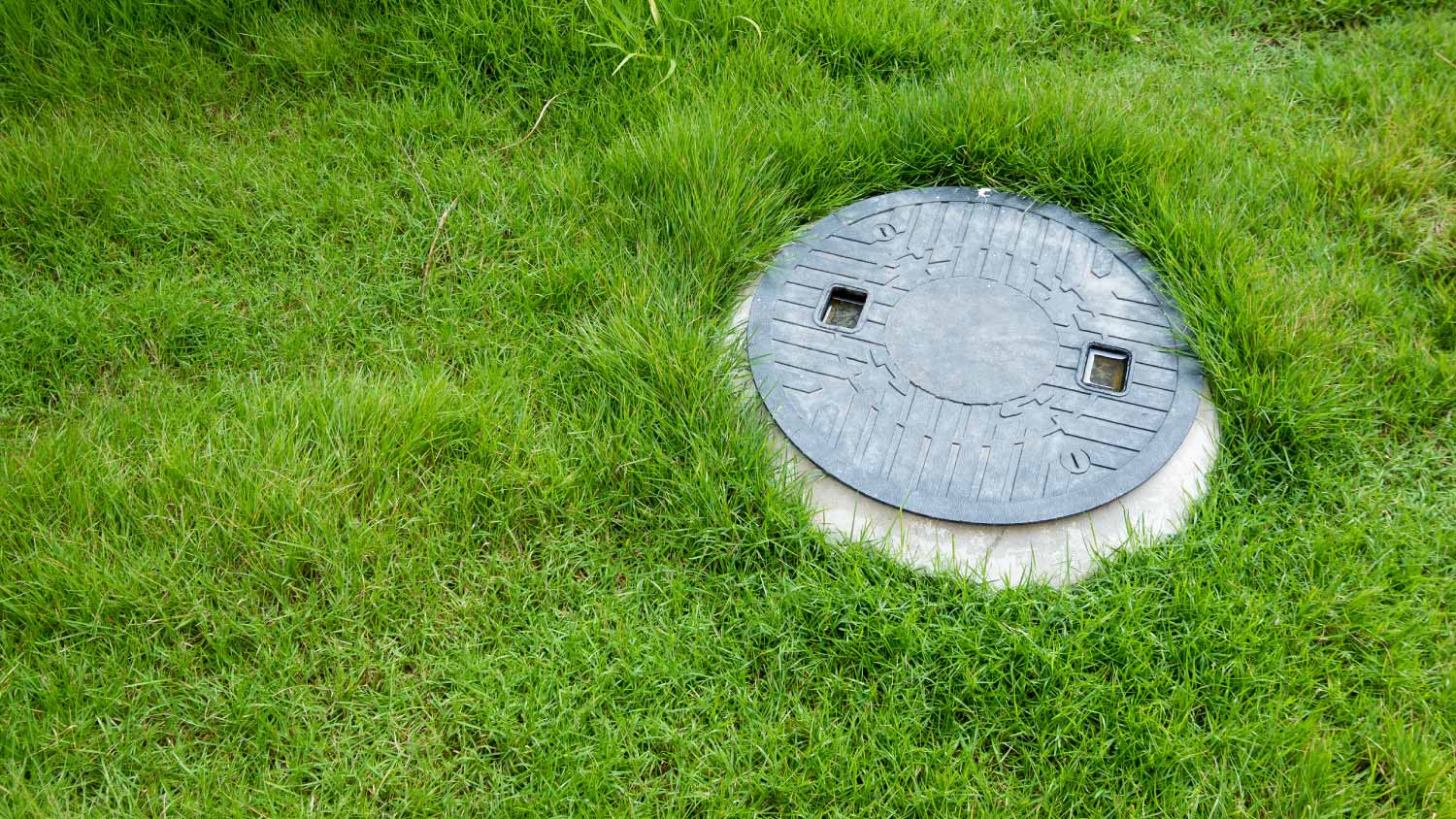
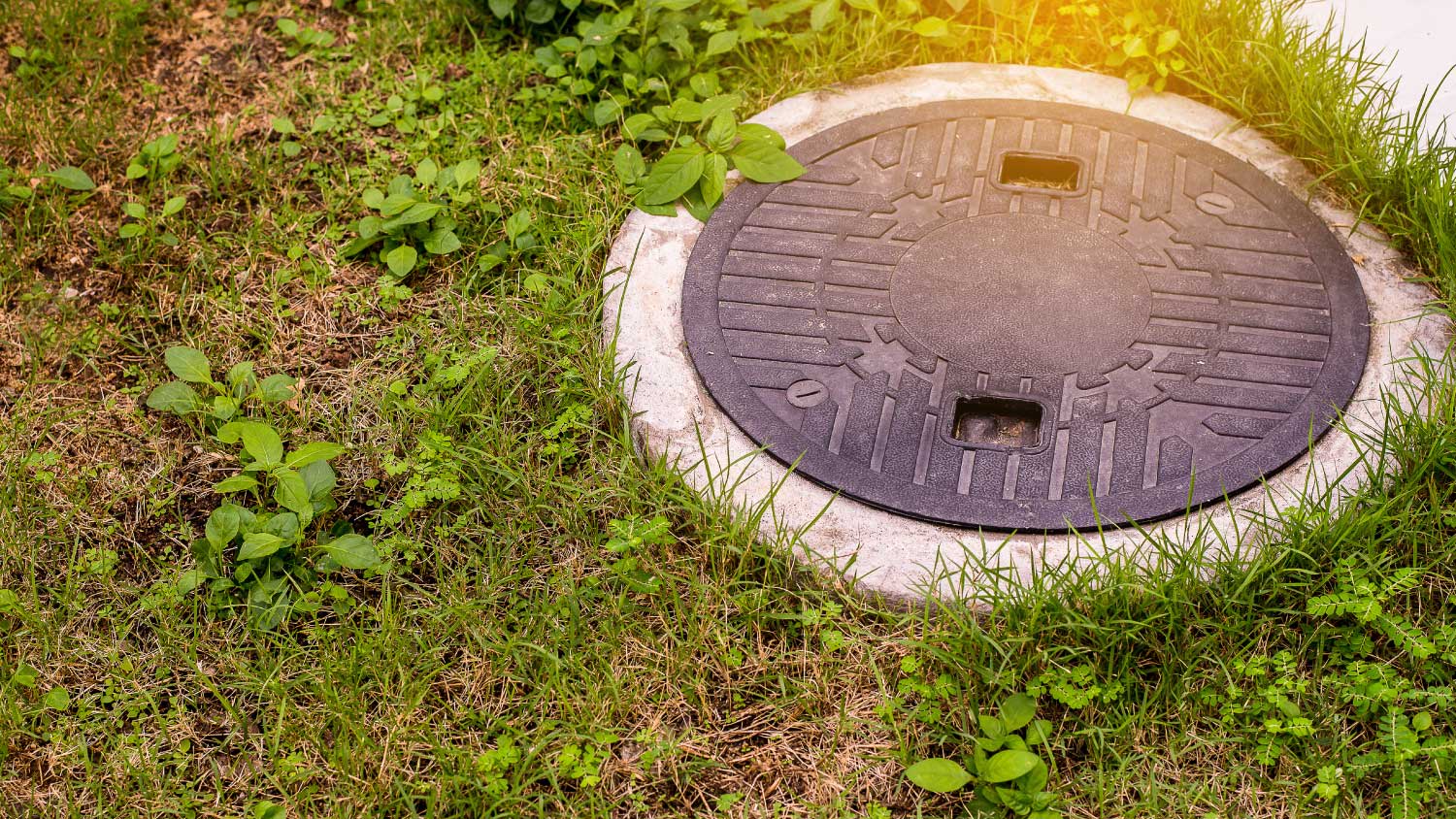
Septic tank risers make it easy to access your septic tank when it’s time for routine inspection, maintenance, and pumping, saving you precious time and labor costs.
Septic tank sizes vary depending on the size of your home, how many people live there, how much water you use, and more. Read on to learn how to determine the right size for you.