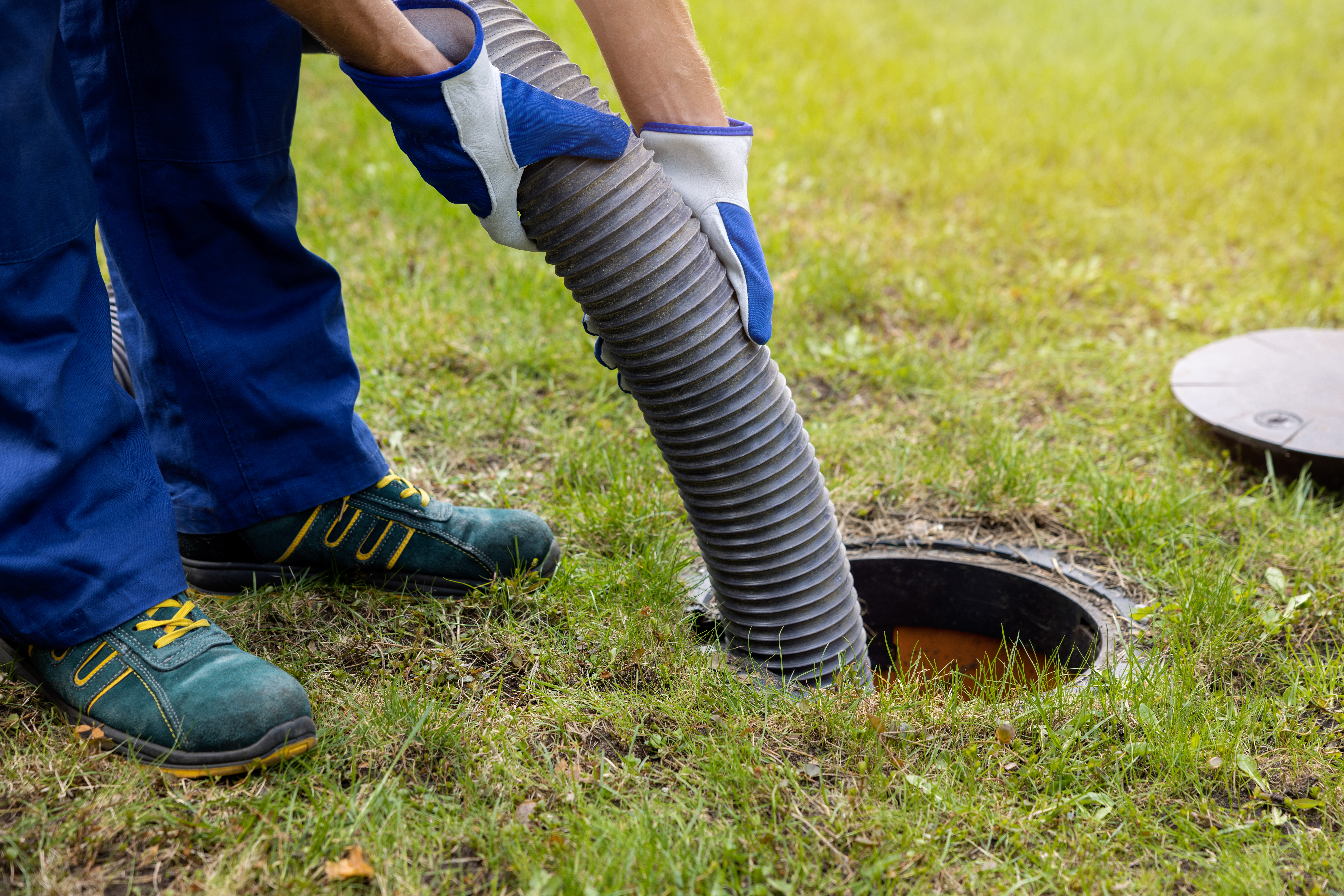




"Noticed we were starting to have issues with our septic tank. Gave Thigpen a call and set up an appointment for the next day. They were here on time and completed the job quickly. No trying to talk me into any other services I didn't need, no bs, just straight up honest work. Will definitely hire again when the time comes."

"He was able to quickly diagnose that the water leak from the water heater was a result of a ruptured tank, resulting in the need to replace the entire water heater."
"I just pay $75 you never know who's going to come out. They do everything electrical. Just about everything is covered except the septic tank. I had an air conditioner replaced. It went great, all I had to do was pay for the freon. He didn't charge e more than what was needed."
At Roy Worley Septic Tank Service, LLC, we pride ourselves on being the best septic company in the area. We've built an excellent reputation for customer satisfaction by providing quick estimates, paying great attention to detail, and by offering competitive pricing. Being a screened and approved professional gives you the peace of mind you need to allow us to give your home the attention it deserves. Roy Worley Septic Tank Service, LLC prides itself on superior customer service and would love the opportunity to show you what experience and expertise can mean for the overall value of your project. Call us today!
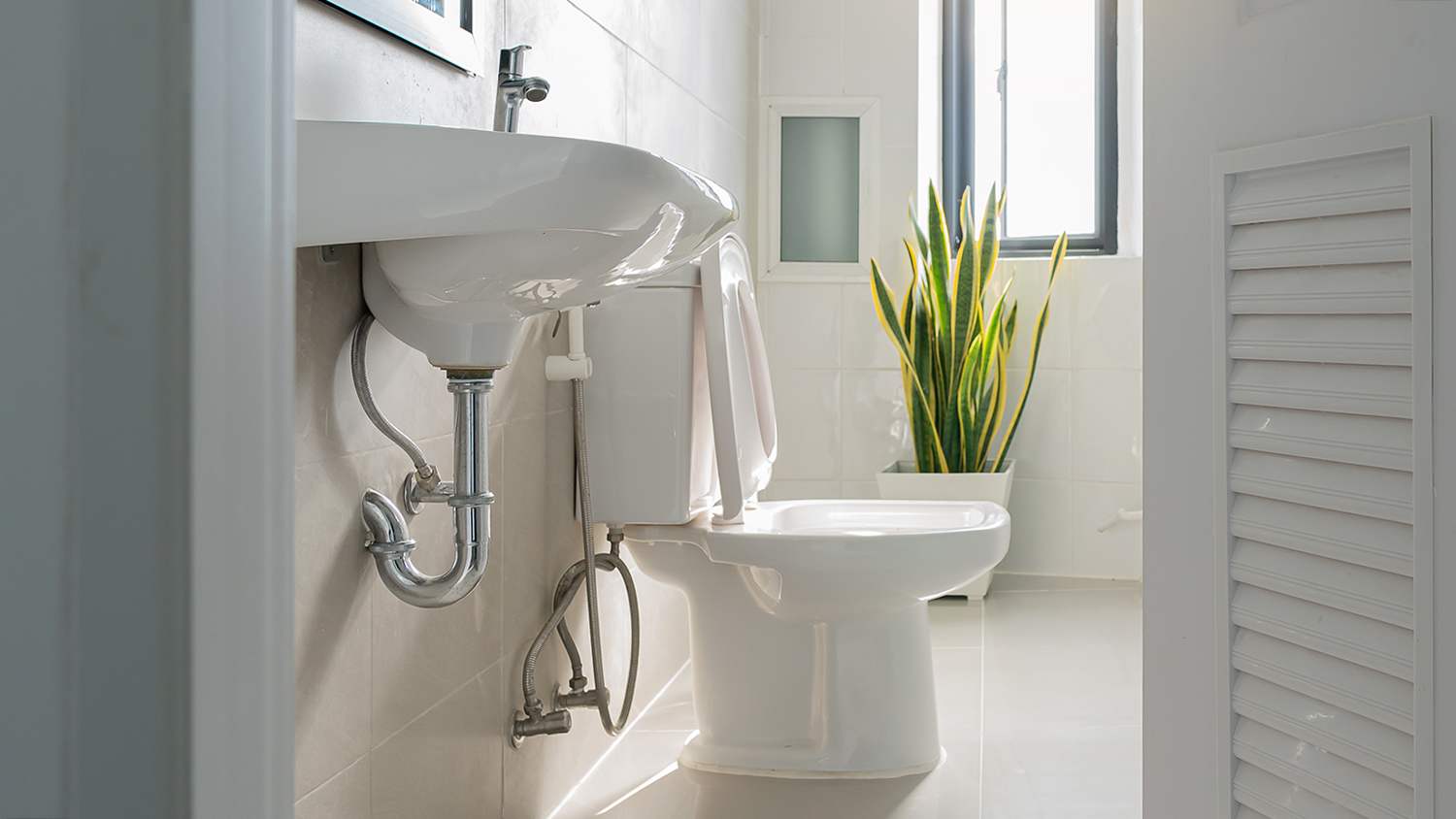
Yes, shower water goes into the septic tank. Shower water is a type of greywater, and in fact, all water used in a home with a septic system—including water from sinks, toilets, the dishwasher, and the washing machine—drains into the tank. When shower water enters the tank, debris like soap and hair travels with it. The solid debris sinks to the bottom to become sludge, while soap residue joins the scum layer at the top. The remaining water is treated in the tank before moving to the drain field for further treatment and dispersal. It is important to avoid putting oil or harsh chemicals down any drain, as they can cause clogs or disrupt the beneficial bacteria required for proper wastewater management in the septic system.
Most shallow residential wells are somewhere between 25 and 50 feet deep. They are among the simplest well systems. Deeper wells usually involve drilling to a much greater depth. Water wells for household use are typically 100 to 500 feet deep, depending on local groundwater conditions. Some may be up to 1,000 feet deep or more.
Age is certainly a factor in well pump failure. The older your pump, the more likely it is to fail.
Beyond age, other factors can cause your well pump to fail, too. Things like poor water quality can cause sediment buildup in your pump. Without proper cleaning, your pump can seize up and fail. Having a dry well for too long can also cause your pump to fail, as it keeps working even though there's no water for it to pull.
Consider site conditions, soil type, required capacity, and system designs compatible with environmental protection regulations.
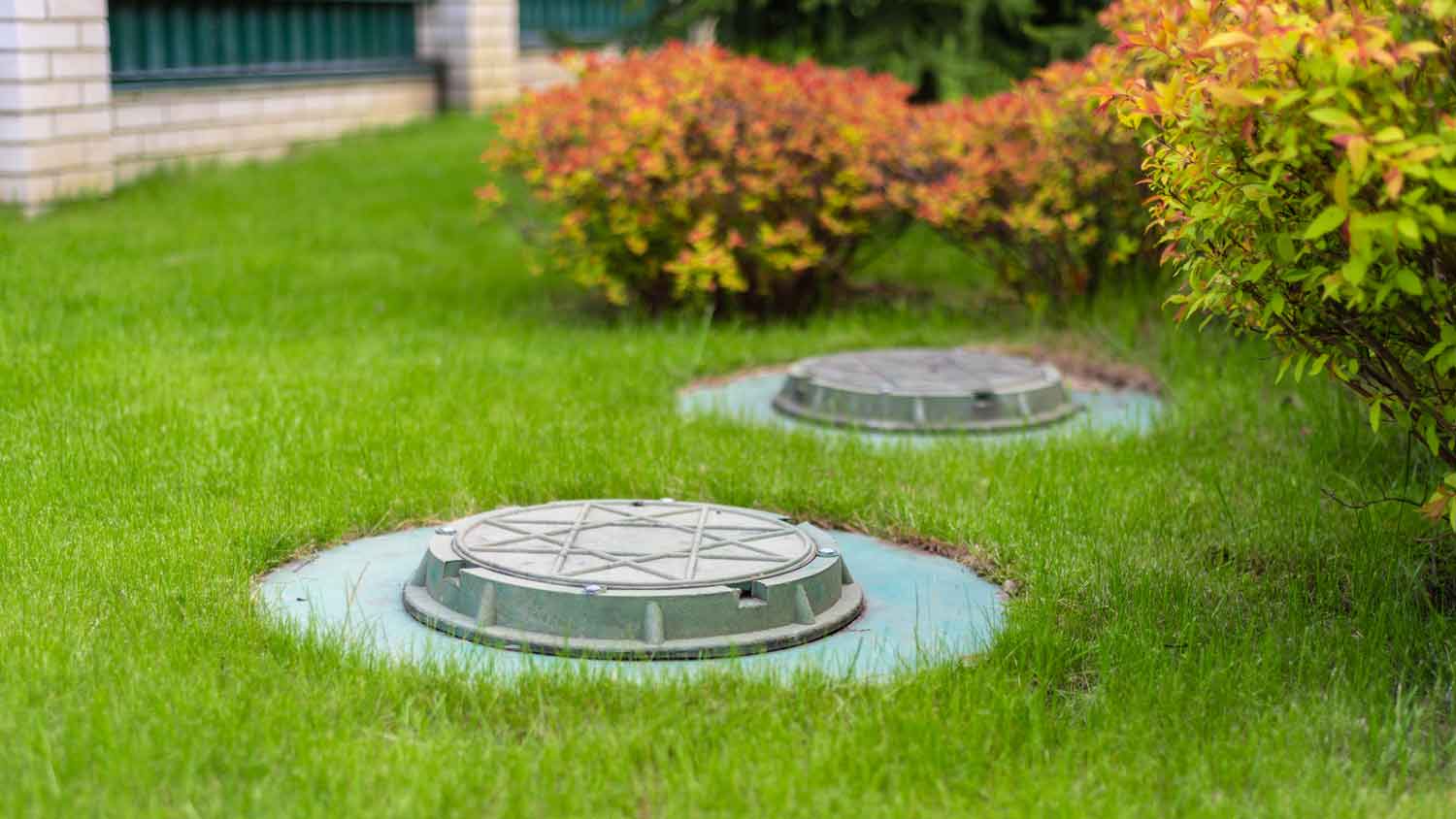
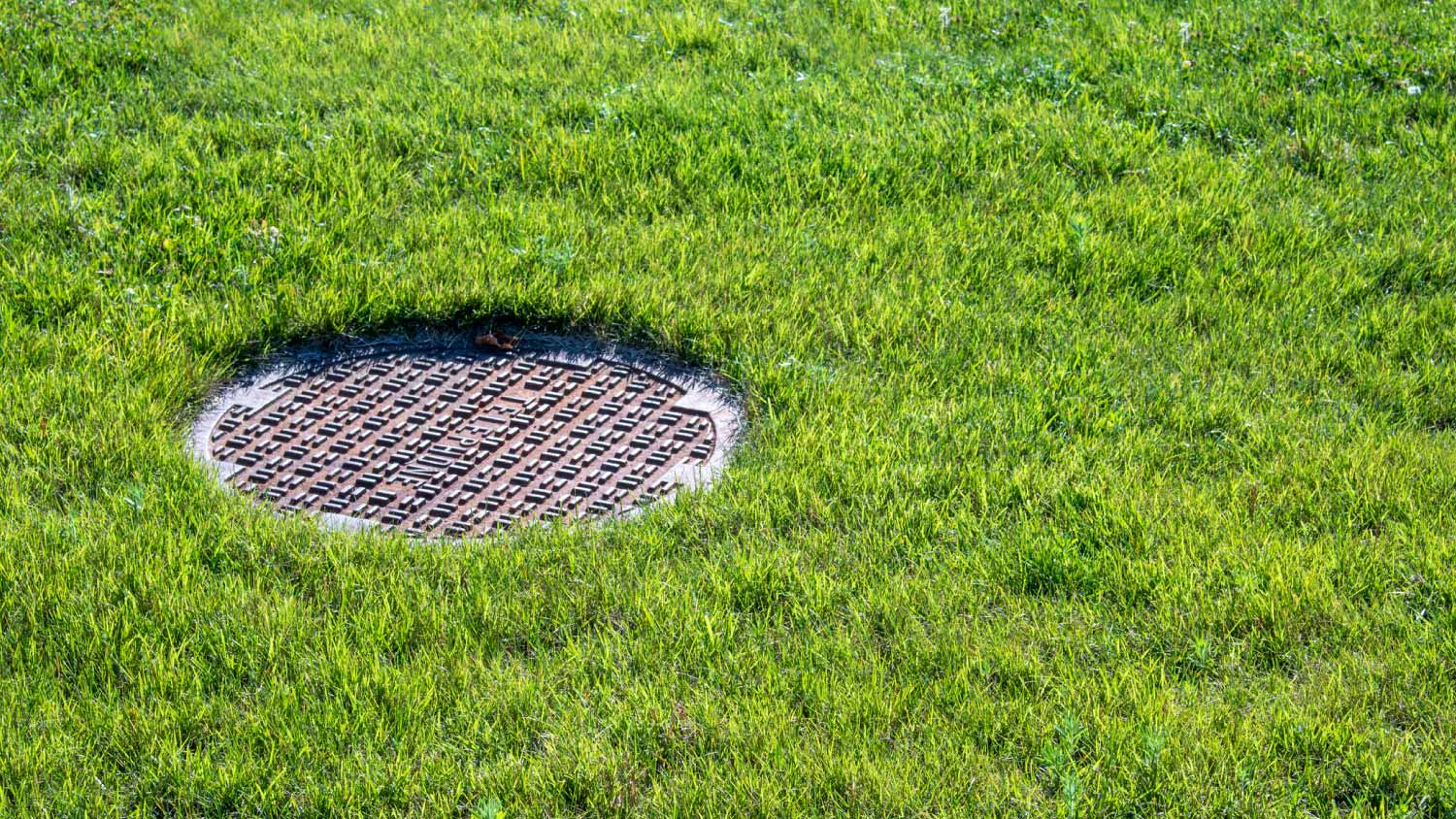
They can if they’re not installed correctly or if the caps or covers were dislodged by a lawn mower or other yard equipment. This is why it pays to hire a reputable septic tank company that’s experienced in septic tank installation and maintenance. You should also check caps and covers often to see that they’re in place and take measures to tighten or secure them, provided it is safe to do so.
The Webb, MS homeowners’ guide to septic tank services
From average costs to expert advice, get all the answers you need to get your job done.
Caring for your septic system is crucial to ensuring its long life. But how much does it cost to pump a septic tank? We explore the different cost factors.
A damaged septic system can leak odors and sewage, so repairs are urgent. Find out how much septic tank repair costs based on repair type, tank size, and more.
Septic tank risers make it easy to access your septic tank when it’s time for routine inspection, maintenance, and pumping, saving you precious time and labor costs.
Septic tank sizes vary depending on the size of your home, how many people live there, how much water you use, and more. Read on to learn how to determine the right size for you.