







Top-rated septic tank pros.

Get matched with top septic tank pros in Boyle, MS

Enter your zip and get matched with up to 5 pros

Need a pro for your septic tank service project in Boyle, MS?

Select your specific project to find the pro for you.

Find Septic tank pros in Boyle

Avatar for Thigpen Septic Tank Service
Thigpen Septic Tank Service
4.7(
55
)
Septic System - Install or ReplaceSeptic System - Install or Replace - For BusinessSeptic System - Repair+3 more

Serving Boyle, MS and surrounding areas

Credit card accepted

"Noticed we were starting to have issues with our septic tank. Gave Thigpen a call and set up an appointment for the next day. They were here on time and completed the job quickly. No trying to talk me into any other services I didn't need, no bs, just straight up honest work. Will definitely hire again when the time comes."

Truck
Truck & Jerrys
Truck door & Jerrys
Truck
Additional Photos

+5

Recommended by96%of homeowners

Septic Tanks questions, answered by experts

The ideal depth of a septic drain field is 18 to 36 inches below the surface. The trenches must be deep enough to allow proper wastewater distribution and filtration while remaining shallow enough for oxygen to reach the soil, promoting bacterial activity that helps break down contaminants. In areas with high groundwater or poor drainage, shallower systems like mound drain fields may be required.

Deciding between an engineered septic system and a conventional one depends on property size, soil quality, local regulations, and environmental factors. If your property has limited space, poor soil, or is close to sensitive environmental features, an engineered system may be required. Professional site evaluations, considering water usage, long-term plans, and budget constraints, can help determine the appropriate choice. Consulting with a septic system professional is crucial for ensuring compliance with regulations and selecting the best system for your property's unique needs.

There are a couple of ways you can determine the depth of your well. One method is to use a device called a well sounder. This tool has a long measuring tape containing a sensor to alert you once the end reaches the water. 

Or you can DIY it by using a long tape measure with a half-filled bottle of water attached to it. Lower the tape measure into your well. Once you feel tension on the tape, you’ll know the bottle has reached your static water level. This will give you an approximate idea of your well’s depth.

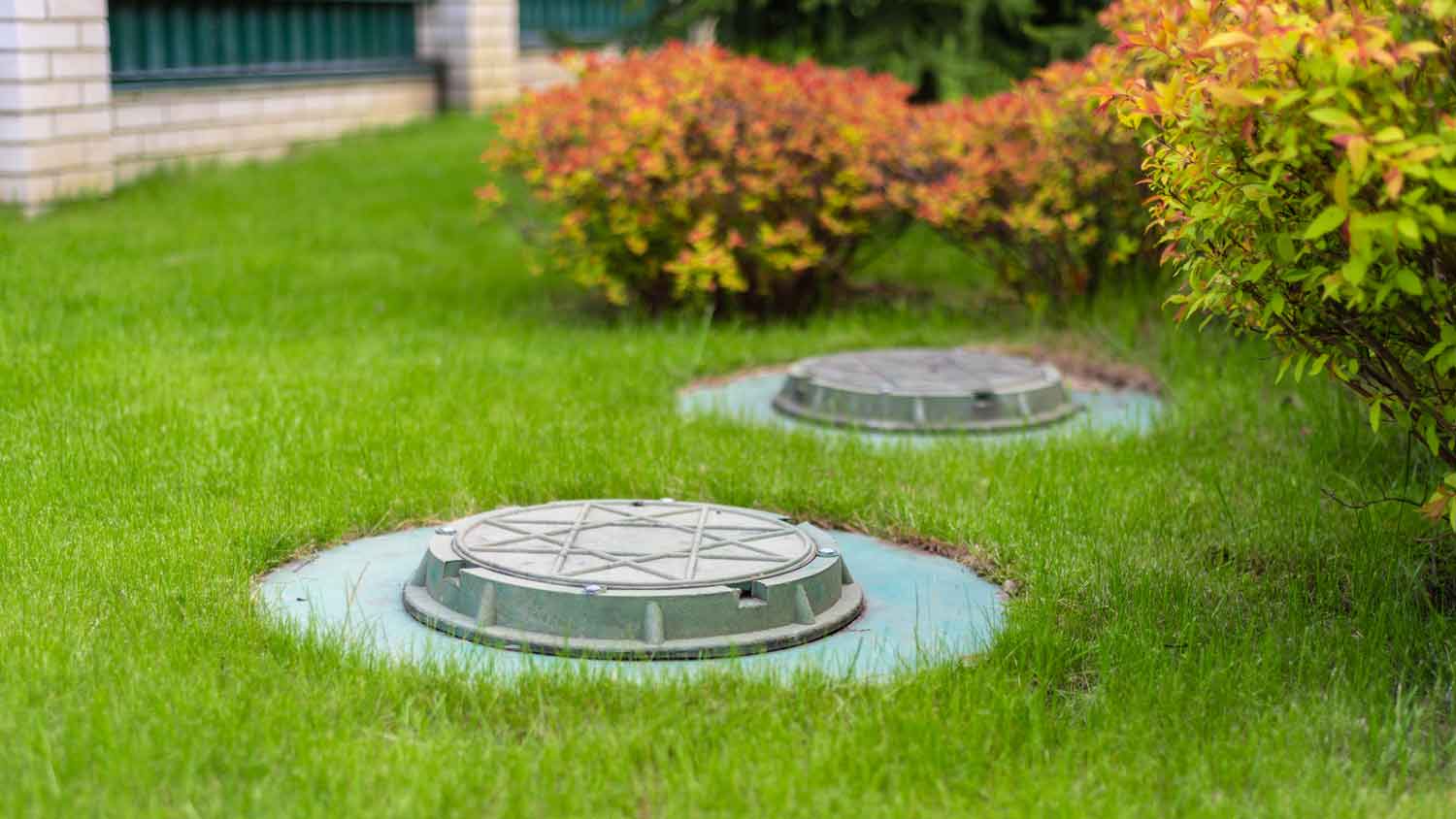
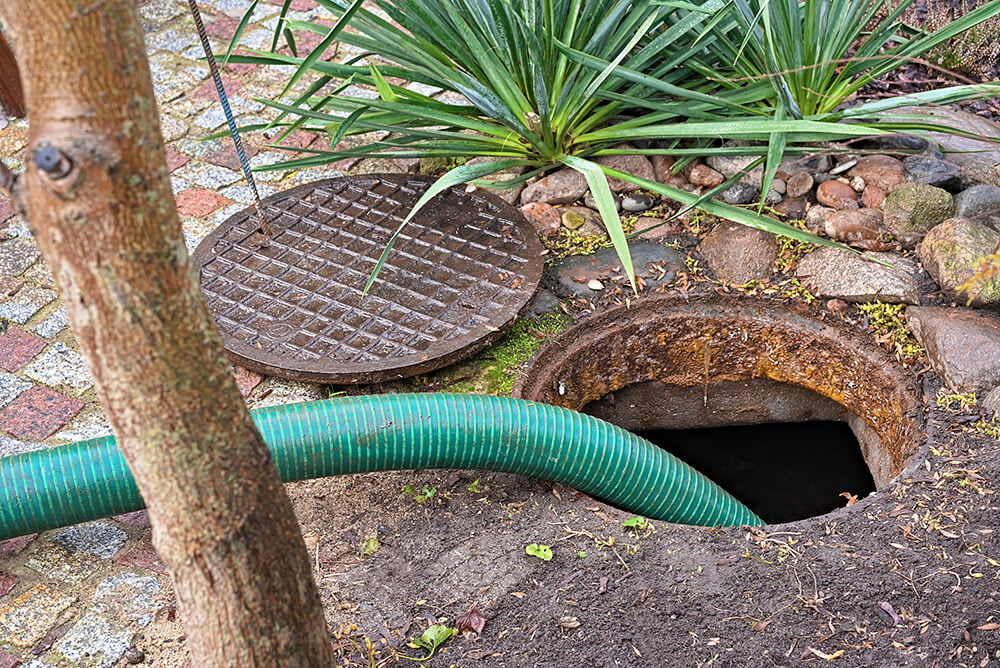
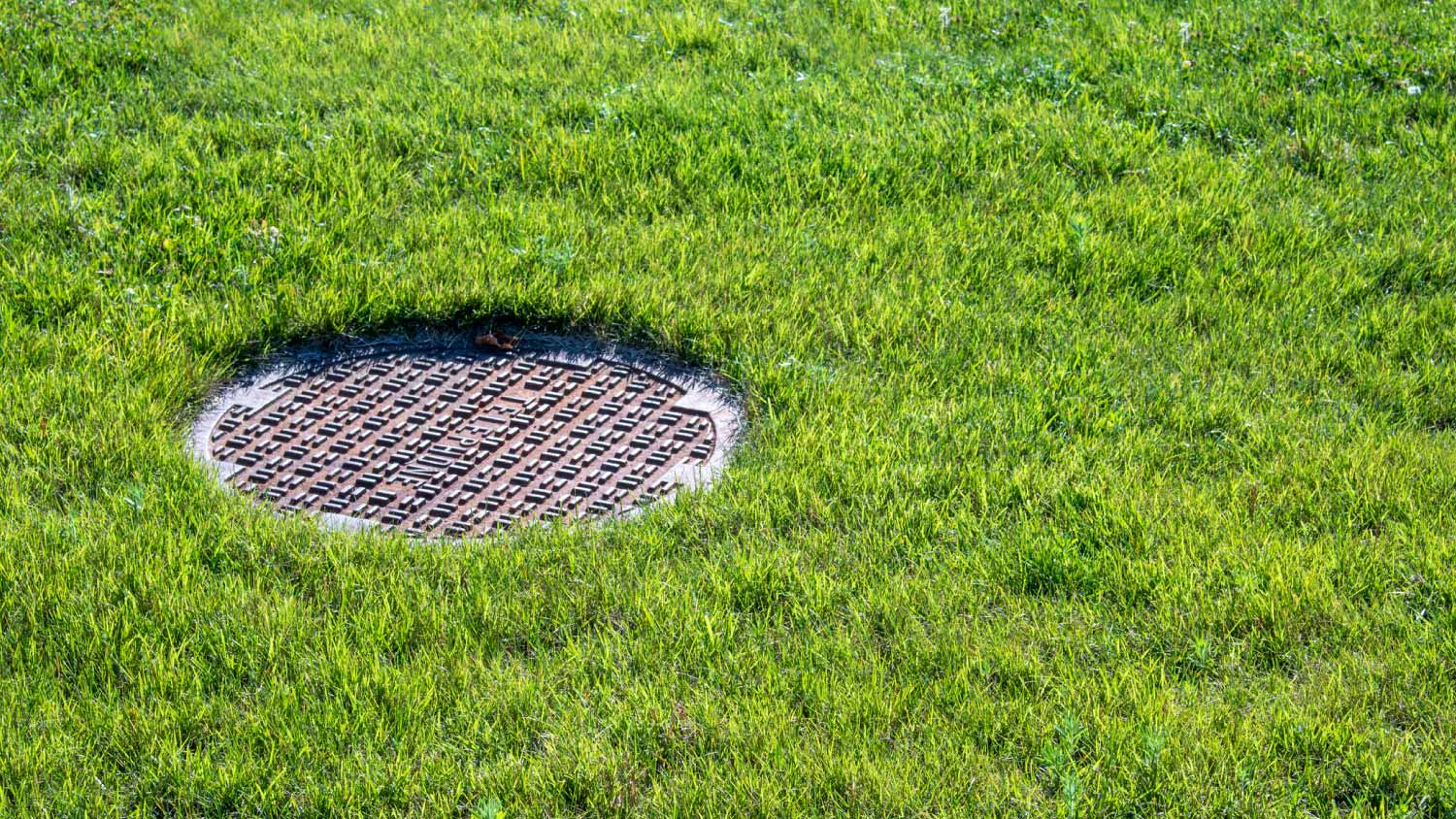
Modern septic tanks have two lids: one that covers the inlet where wastewater flows into the tank and one that covers the outlet where the treated water flows out to the drain field. However, older septic tanks installed before 1975 may have only one lid. Because septic tanks last 20 to 40 years, if yours only has one lid, it may be time for a replacement.

Septic tanks and cesspits are both types of sewage and wastewater systems, but they differ in key ways. The main difference between the two systems is that septic tanks separate sewage from wastewater and allow the latter to flow into a drainage field to filter and disperse into the soil. Cesspits don’t have outlets and instead, store sewage until it needs to be pumped by a professional.

The Boyle, MS homeowners’ guide to septic tank services

From average costs to expert advice, get all the answers you need to get your job done.