


Top-rated basement waterproofing pros.

Get matched with top basement waterproofing pros in Robinhood, MS

Enter your zip and get matched with up to 5 pros

Find Basement waterproofing pros in Robinhood

Avatar for AKM Air Solutions
AKM Air Solutions
5.0(
60
)
Foundation, Basement or Crawlspace - Waterproofing / Encapsulation

Serving Robinhood, MS and surrounding areas

Approved

In business since 2010

Free estimates

Emergency services offered

"The service man was great . Prompt and courteous,explained what the problem was and was able to get it fixed. I will definitely use them again and recommend them to everyone."
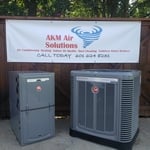
RHEEM
Duct Cleaning
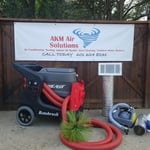
Rotobrush
SAVE
UV Lights

+9

Response time9 hrs
9 neighbors recently requested a quote
Recommended by98%of homeowners
Avatar for Southern Affordable Mold Busters
Southern Affordable Mold Busters
4.6(
28
)
Foundation, Basement or Crawlspace - Waterproofing / Encapsulation

Serving Robinhood, MS and surrounding areas

In business since 2015

Free estimates

Warranties offered

"Kim and the guys did a great job! They worked diligently to get the job completed and closed out on schedule and within our budget. Kim was there to answer all of our questions and make sure we understood the process. They show up when they say they will and work hard to get the job! I highly recommend!!!"
Response time1 day
Response rate91%
Recommended by92%of homeowners
Showing 1-10 of 36
Basement Waterproofing questions, answered by experts

Preventing water accumulation involves regular inspections, maintaining effective drainage systems, ensuring proper roof maintenance, and taking preventive measures against heavy rainfall or floods.

Yes, professional installers use weather-resistant materials to protect the dish and cabling from environmental damage.

You can DIY basement waterproofing in some ways to help save on the overall costs. If your basement isn’t experiencing a lot of water but is noticeably humid, you can try running a dehumidifier that will pull the excess water out of the air. If you notice water leaking due to outdoor drainage issues, you can add downspout extensions to keep rainwater away from your home. 

However, if the problem is more severe and requires a more extensive solution, it’s best to call a basement waterproofing professional to assess the treatment you need and install waterproofing safeguards properly. Since keeping water out of your basement is important, ensuring this job is done correctly the first time is best.

While a standard gutter system is widely considered the most effective way to prevent water damage to your home's foundation, several alternatives are available. These options can be used on their own in certain climates or as supplementary protection.

Common alternatives include:

  • Rain Chains: These are decorative chains that hang from the roof's edge, guiding rainwater to the ground.

  • Drip Edges: These metal strips are installed at the edge of the roof to direct water away from the fascia. While often used with gutters, they can be paired with a ground-level solution but are typically not sufficient on their own.

  • Rain Dispersal Systems: These systems work by breaking up the heavy sheet of water flowing off the roof, dispersing it over a wider area.

  • French Drains: This ground-level system uses a perforated pipe in a gravel-filled trench to collect and redirect water runoff away from the house.

  • Drip Paths: Placed directly below the roofline, these paths made of concrete, stone, or other materials prevent soil erosion and guide water away.

It's important to note that some alternatives like rain chains and dispersal systems may not be adequate in regions with heavy rainfall because they don't divert water away from the foundation as effectively as a full gutter system. Ground-based solutions like French drains can be very effective but are often more expensive and can affect your landscaping and curb appeal. Many experts recommend installing a full gutter system for maximum protection and using alternatives as supplementary measures.

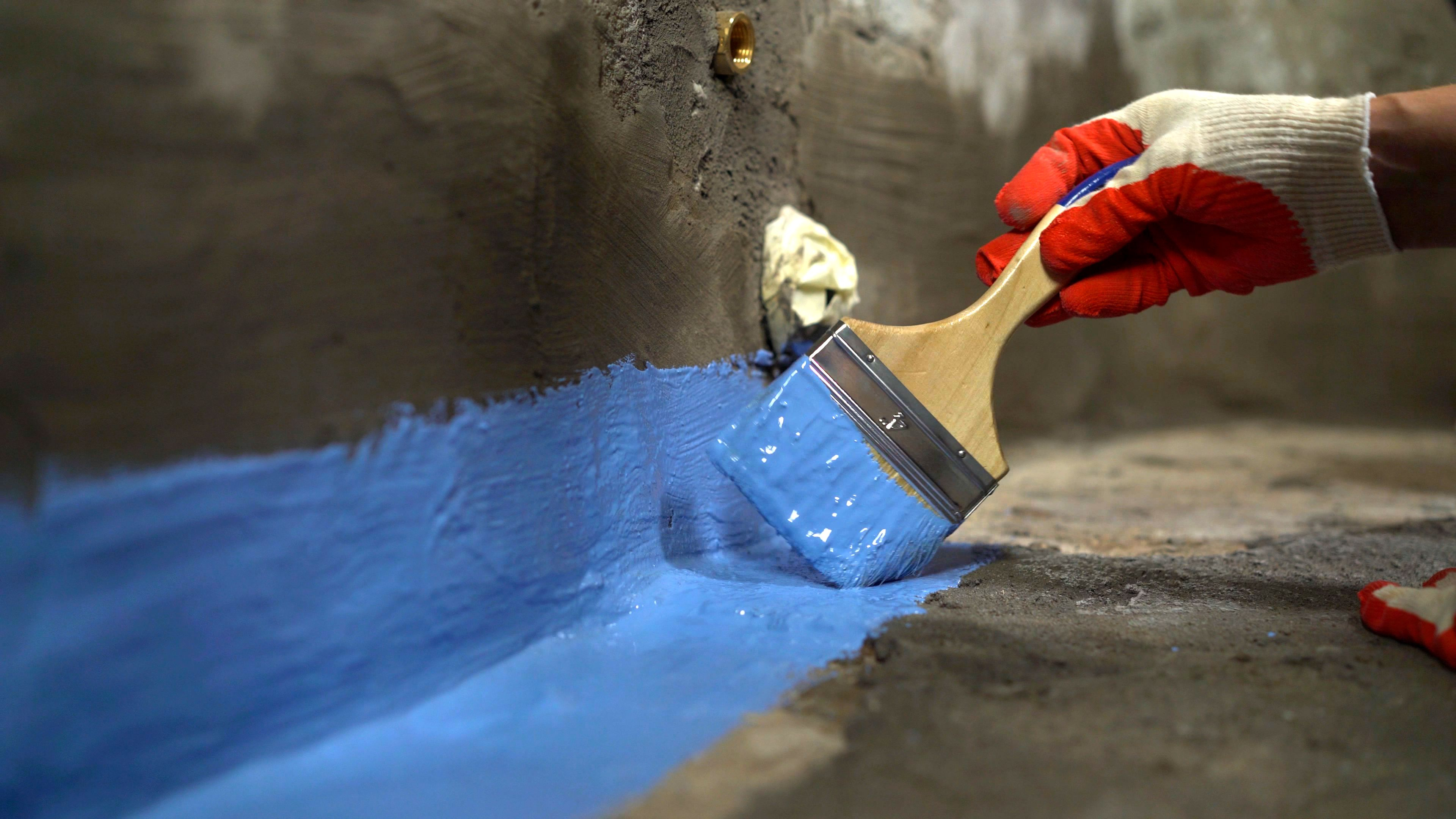
Topical sealers adhere to the surface of concrete to create a protective layer. In many cases, this is all you need for concrete that sees light to moderate traffic, such as your basement. Penetrating sealers, on the other hand, bond with the free lime in the top layer of concrete to form calcium silicate, which prevents liquid from passing through. This type of sealer protects the surface from water, oil, and gasoline spills.

The Robinhood, MS homeowners’ guide to basement waterproofing services

From average costs to expert advice, get all the answers you need to get your job done.