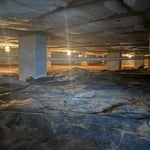
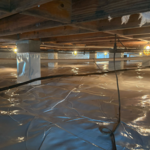
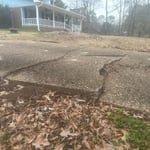
MidSouth Crawlspace Solutions protects and restores homes from the ground up. We specialize in crawlspace repair, foundation repair, basement waterproofing, concrete lifting and leveling, slab repair, and moisture control solutions.\n\nOur team provides thorough inspections, clear explanations, and photo documentation so homeowners fully understand both the problem and the solution. We focus on permanent fixes, not temporary patches, using industry-leading products and proven systems.\n\nWhether you’re dealing with sagging floors, standing water, cracked foundations, musty smells, rotten subfloor, broken crawlspace beams, or uneven concrete, we deliver professional service, honest recommendations, and long-term peace of mind. We treat every home like it’s our own and strive to exceed expectations on every project.
"Stanley came out and took time to thoroughly inspect our foundation and proposed a solution to level the floors and waterproof the crawl space. Really appreciated his thorough service and clear advice."
"He was very helpful. The issue with the vent was not that it was dirty but, the cent is too long. He came over and went under the house and in the basement to figure out the problem. He let us know we should cut an access panel in the deck to make sure the vent is clean and set up properly."
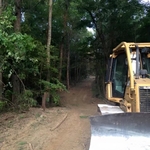
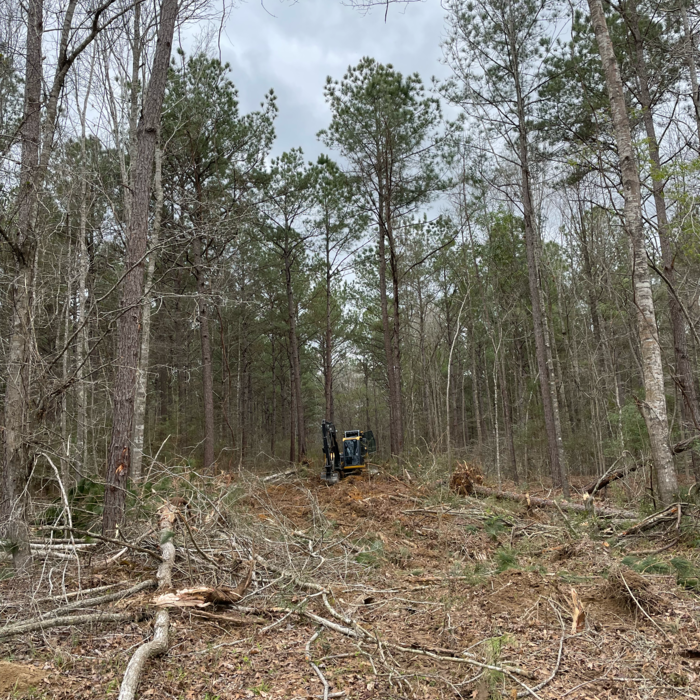
Specialize in dirt work doing house pads, drive ways, drainage work, and land clearing. \n\nWe are a small company that takes pride in the jobs that we do and have 6 years of experience.
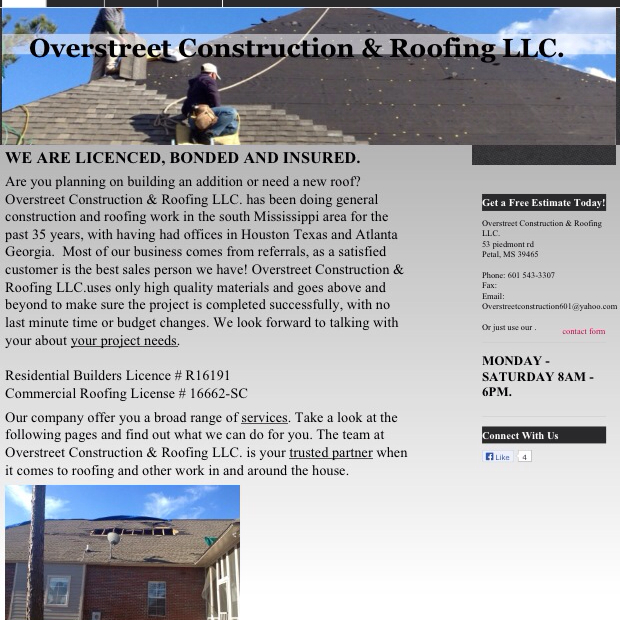
Operating since 1969 with having had offices in Houston Texas and Atlanta Georgia. We are a local company based out of Hattiesburg petal area. We are licensed bonded and Insured.a family owned proud to serve the people overstreet a family name you can count on an trust.
Our mission at Hampton Enterprise LLC is to provide clients with superior customer service, quality work and speedy service in all aspects of their home improvement needs. Licensed, insured and trusted since 1989; come discover the Hampton difference today!\n\nWe specialize in the installation and repair of Windows, Doors, Flooring, Sinks, Bathtubs, Showers, Sprinkler Systems and much more. We also offer Interior and Exterior Home Painting, Custom Welding Fabrication and Carpentry.Localy in your area just call and i will call back with a local number thank you . from James Hampton\n\nAL.Dothan 334-648-3817,\nAL Birmingham 334-648-3817,\nAL Huntsville 334-648-3817,\nAL Mobile 334-648-3817,\nAL Tuscaloosa 334-648-3817,\nAL Montgomery 334-578-4761,\nAR Little Rock 334-648-3817,\nAZ Phoenix 334-648-3817,\nCA LosAngeles/Sacramento 334-648-3817,\nCO Denver/Colorado Springs 334-648-3817,\nCT Hartford 334-648-3817,\nDE Dover 334-648-3817,\nFL Tallahassee 334-648-3817,\nFL Cape Canaveral/ Cocoa 334-648-3817,\nFL. Destin 334-648-3817,\nFL Gainsville 334-648-3817\nFl Jacksonville 334-648-3817,\nFL Orlando 334-648-3817,\nFL Panama City 334-648-3817,\nFL Tampa 334-648-3817,\nFL Miami 334-648-3817,\nGA Atlanta 334-648-3817,\nGA Albany 334-648-3817,\nGA Augusta 334-648-3817,\nGA Columbus 334-648-3817,\nGA Macon 334-648-3817,\nGA Valdosta 334-648-3817,\nIA Des Moines 334-648-3817,\nID Boise 334-648-3817,\nIL Chicago/Springfield 334-648-3817,\nIN Indianapolis 334-648-3817,\nKS Levenworth/Topeka 334-648-3817,\nKY Frankfort 334-648-3817,\nLA New orleans/Baton Rouge 334-648-3817,\nMA Boston 334-648-3817,\nMD Annapolis 334-648-3817,\nME Augusta 334-648-3817,\nMI Detroit/Lansing 334-648-3817,\nMN Saint Paul 334-648-3817,\nMO kansas City/Jefferson City 334-648-3817,\nMS Jackson 334-648-3817,\nMS Biloxi 334-648-3817,\nMS Gulf Port 334-648-3817,\nMT helena 334-648-3817,\nNC Raleigh 334-648-3817,\nND Bismark 334-648-3817,\nNE Lincoln 334-648-3817, \nNJ Trenton 334-648-3817,\nNM Santa Fe 334-648-3817,\nNV Carson City 334-648-3817,\nNV Las Vegas 334-648-3817\nNY Albany 334-648-3817,\nOH Columbus 334-648-3817,\nOK Oklahoma Ciy 334-648-3817,\nOR Salem 334-648-3817,\nPA harrisburg 334-648-3817,\nRI Providence 334-648-3817,\nSC Columbia 334-648-3817,\nSD Pierre 334-648-3817,\nTN nashville 334-648-3817,\nTX Austin 334-648-3817,\nUT Salt Lake City 334-648-3817,\nVA Richmond 334-648-3817,\nVT montpelier 334-648-3817,\nWI Madison 334-648-3817,\nWV Charleston 334-648-3817,\nWY Cheyenne 334-648-3817
Stewart's Plumbing has been in business for 4 years. Chris specializes in all plumbing. Plus he has a leak protection and camera video for your drains. Call today for your free quote!
Basement Waterproofing questions, answered by experts
Covering the dirt floor in your crawl space with a vapor barrier helps insulate the space and improve the air quality in your home. It protects your crawl space from pest infestations, excess moisture, and mold growth. It also makes the crawl space less dusty, which means there’s a lower chance of dust mites breeding and causing allergic reactions in your home.
Damp proofing and waterproofing are both methods to help keep your basement dry. Damp proofing keeps soil moisture from entering your basement, which is helpful since your basement is underground. Waterproofing, however, keeps both soil moisture and liquid water out of the basement, which is essential, especially if you live in a wet environment. Because it’s more protective, waterproofing typically costs more than damp proofing.
Ductwork sweats due to a temperature difference between the air inside the ducts and the surrounding air, similar to how a cold drink develops condensation in the heat. This sweating is a sign that your HVAC system is not operating at peak efficiency. The best way to keep ductwork from sweating is to wrap it in proper insulation, which also improves your system's energy efficiency. Another option is to close off your crawl space and install a dehumidifier to dry the air and lower its dew point.
You can DIY basement waterproofing in some ways to help save on the overall costs. If your basement isn’t experiencing a lot of water but is noticeably humid, you can try running a dehumidifier that will pull the excess water out of the air. If you notice water leaking due to outdoor drainage issues, you can add downspout extensions to keep rainwater away from your home.
However, if the problem is more severe and requires a more extensive solution, it’s best to call a basement waterproofing professional to assess the treatment you need and install waterproofing safeguards properly. Since keeping water out of your basement is important, ensuring this job is done correctly the first time is best.
Some disadvantages of crawl spaces are mostly regarding the air itself—moisture build-up and poor ventilation, which can cause problems both in the house and underneath it, even damaging the foundation itself. Crawl spaces are difficult to access and often invite unwanted pests during the hot summer months and the cold winter ones. These hard-to-seal spaces are also susceptible to water damage during periods of heavy rain or melting snow.
The Lake, MS homeowners’ guide to basement waterproofing services
From average costs to expert advice, get all the answers you need to get your job done.
Need to fix basement water problems or safeguard your home from damage in the future? Use this basement waterproofing cost guide to budget appropriately.
An unfinished basement has a lot of potential for a family room or guest suite. So how much does it cost to finish a basement? Read on for all cost factors.
Dealing with a damp basement? Follow these steps for DIY basement waterproofing to keep water and moisture out and boost your home’s energy efficiency.
Can’t seem to get rid of the moisture and mold in your basement? Learn why basements tend to hold moisture and how to get rid of moisture in the basement.