








Top-rated basement waterproofing pros.

Get matched with top basement waterproofing pros in Utica, MS

Enter your zip and get matched with up to 5 pros

Find Basement waterproofing pros in Utica

Showing 1-10 of 22
Basement Waterproofing questions, answered by experts

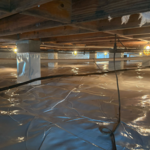
Yes, crawl spaces can attract bugs, especially since moisture tends to build up in the space, and moisture attracts pests. A good way to prevent pest infestation in your crawl space is to install a vapor barrier—called crawl space encapsulation—on the interior to seal the space, along with a French drain or some other kind of foundation drainage system outside to keep runoff out of your crawl space. You can also seal foundation cracks and repair damages to cut off access to pests.

Yes, if your crawl space is prone to humidity, a dehumidifier can help keep it dry. For use in a crawl space, you’ll need a high-capacity and high-efficiency dehumidifier with built-in air filtration. It’s also wise to purchase one with a self-draining feature. Otherwise, you’ll need to climb into the crawl space to empty the dehumidifier.

Encapsulation can take the place of crawl space vents since it protects the area from moisture and air all year round. Determining whether you should open or close crawl space vents can be complicated since it often depends on the weather and humidity. Skip this step by investing in crawl space encapsulation whenever possible.

The best basement waterproofing method depends on the specific issue causing the water intrusion. For minor problems, simple solutions like installing a properly functioning gutter system to direct runoff away and grading the soil to slope away from your foundation can be effective.

If you have more significant water problems, the solution will need to be more robust:

  • For standing water on the basement floor, a floor drain or a sump pump system may be the best solution.

  • For water pooling around the foundation, installing an exterior French drain can intercept water before it reaches the basement walls.

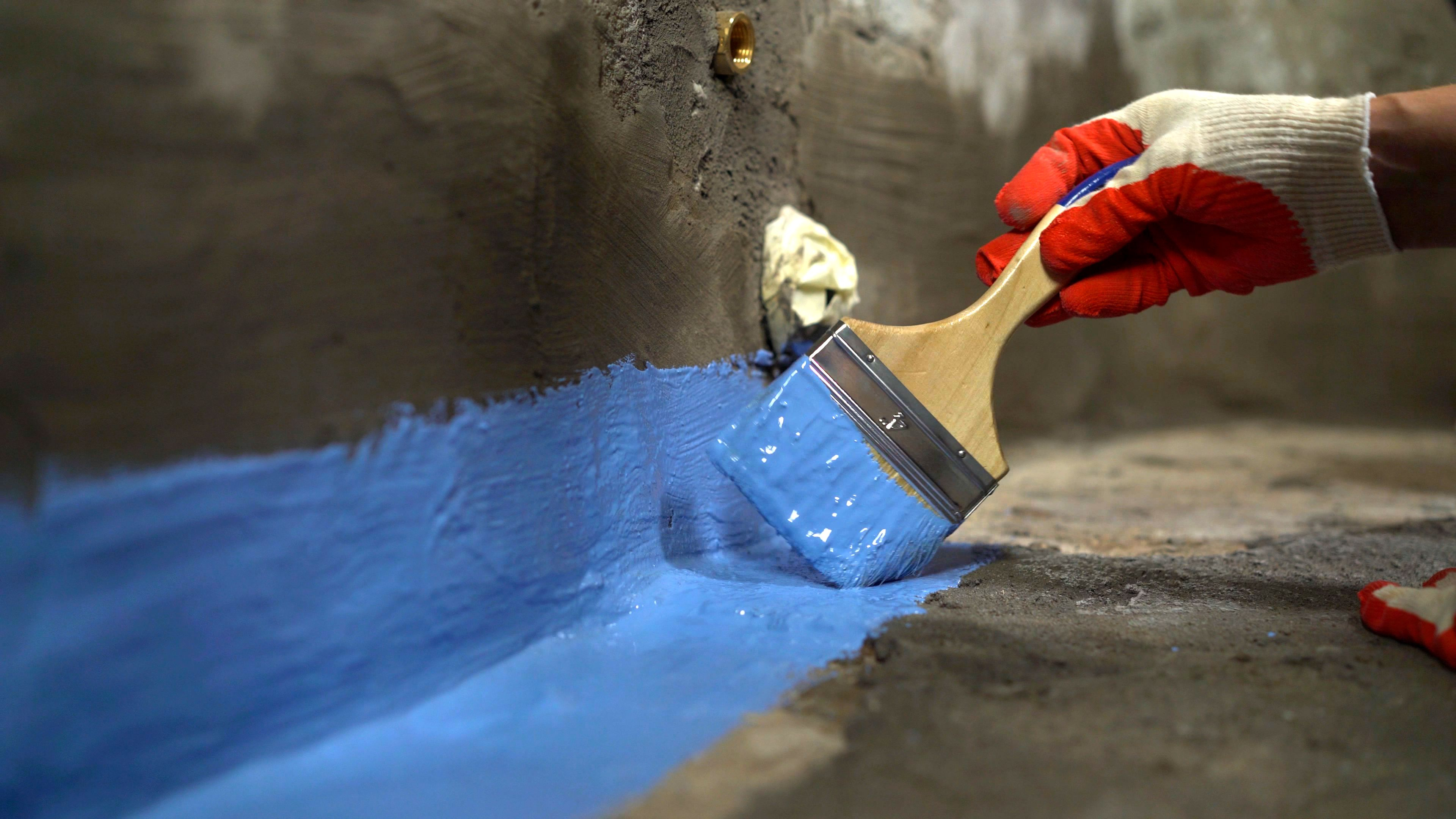
Other effective waterproofing methods, which can be used depending on your home's specific needs, climate, and soil type, include sealing the interior walls, landscape alteration, installing interior drainage systems, and using a dehumidification system to control moisture levels.

While a standard gutter system is widely considered the most effective way to prevent water damage to your home's foundation, several alternatives are available. These options can be used on their own in certain climates or as supplementary protection.

Common alternatives include:

  • Rain Chains: These are decorative chains that hang from the roof's edge, guiding rainwater to the ground.

  • Drip Edges: These metal strips are installed at the edge of the roof to direct water away from the fascia. While often used with gutters, they can be paired with a ground-level solution but are typically not sufficient on their own.

  • Rain Dispersal Systems: These systems work by breaking up the heavy sheet of water flowing off the roof, dispersing it over a wider area.

  • French Drains: This ground-level system uses a perforated pipe in a gravel-filled trench to collect and redirect water runoff away from the house.

  • Drip Paths: Placed directly below the roofline, these paths made of concrete, stone, or other materials prevent soil erosion and guide water away.

It's important to note that some alternatives like rain chains and dispersal systems may not be adequate in regions with heavy rainfall because they don't divert water away from the foundation as effectively as a full gutter system. Ground-based solutions like French drains can be very effective but are often more expensive and can affect your landscaping and curb appeal. Many experts recommend installing a full gutter system for maximum protection and using alternatives as supplementary measures.

The Utica, MS homeowners’ guide to basement waterproofing services

From average costs to expert advice, get all the answers you need to get your job done.