"The service man was great . Prompt and courteous,explained what the problem was and was able to get it fixed. I will definitely use them again and recommend them to everyone."
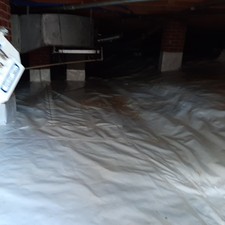
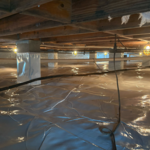
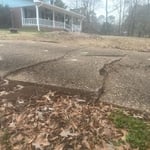
"Stanley came out and took time to thoroughly inspect our foundation and proposed a solution to level the floors and waterproof the crawl space. Really appreciated his thorough service and clear advice."
"Kim and the guys did a great job! They worked diligently to get the job completed and closed out on schedule and within our budget. Kim was there to answer all of our questions and make sure we understood the process. They show up when they say they will and work hard to get the job! I highly recommend!!!"
"They had to work on a home 31+ years old and even slide-ins aren't made for them now. Extra work was done, and they had everything they needed. You could not have asked for a better company, and they were very polite."
"It went well. She was on time and very professional. She was really good and clean. She was really thorough and really talented. She was really amazing and she did a really good job."
The primary reason homes have crawl spaces is so the foundation can reach down below the frost line to avoid dangerous soil movement and structural damage when the ground freezes. They’re more popular in colder climates where the ground freezes down to a few feet, and slabs are most popular in warmer areas where there is no frost line. Crawl spaces also provide a space for utility lines to run where they’re at less of a risk of freezing.
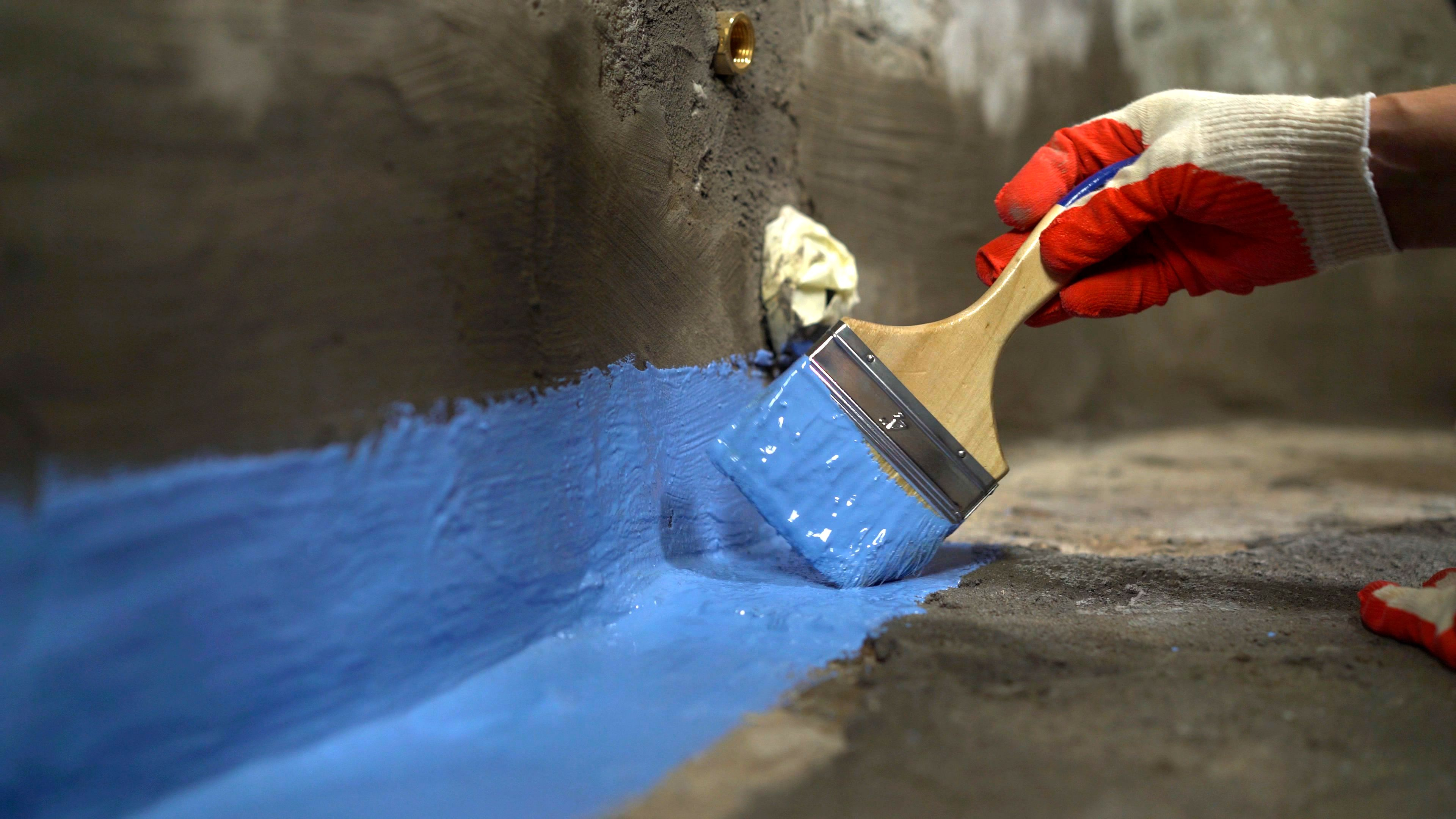
Topical sealers adhere to the surface of concrete to create a protective layer. In many cases, this is all you need for concrete that sees light to moderate traffic, such as your basement. Penetrating sealers, on the other hand, bond with the free lime in the top layer of concrete to form calcium silicate, which prevents liquid from passing through. This type of sealer protects the surface from water, oil, and gasoline spills.
In most cases, it is safe to live in a home with minor foundation problems, but you should not let the issues persist. Virtually all foundations have small cracks from normal settlement, which are not a structural concern but should be sealed to prevent water intrusion. However, major damage—such as large structural cracks, sinking foundations, or bulging walls—can make a home unsafe. Other issues that can pose safety and health risks include poor indoor air quality from mold or pests, uneven floors, and rotten beams or joists. It is always best to have a foundation repair expert or structural engineer inspect any issues to determine if your home is safe to live in.
You’ll need to reseal the foundation every five to 10 years, depending on the sealant you’ve used, the moisture conditions present in and around your home, and the condition of your foundation. Having a foundation inspection conducted before reapplication can help you catch any problems before you begin resealing. Of course, if you notice any new leaks or other moisture problems at any time, it may be necessary to reseal the foundation sooner.
Costs depend on the area's size and condition, damage extent, and chosen method. A professional evaluation provides a tailored estimate based on specific needs.
The Canton, MS homeowners’ guide to basement waterproofing services
From average costs to expert advice, get all the answers you need to get your job done.
Need to fix basement water problems or safeguard your home from damage in the future? Use this basement waterproofing cost guide to budget appropriately.
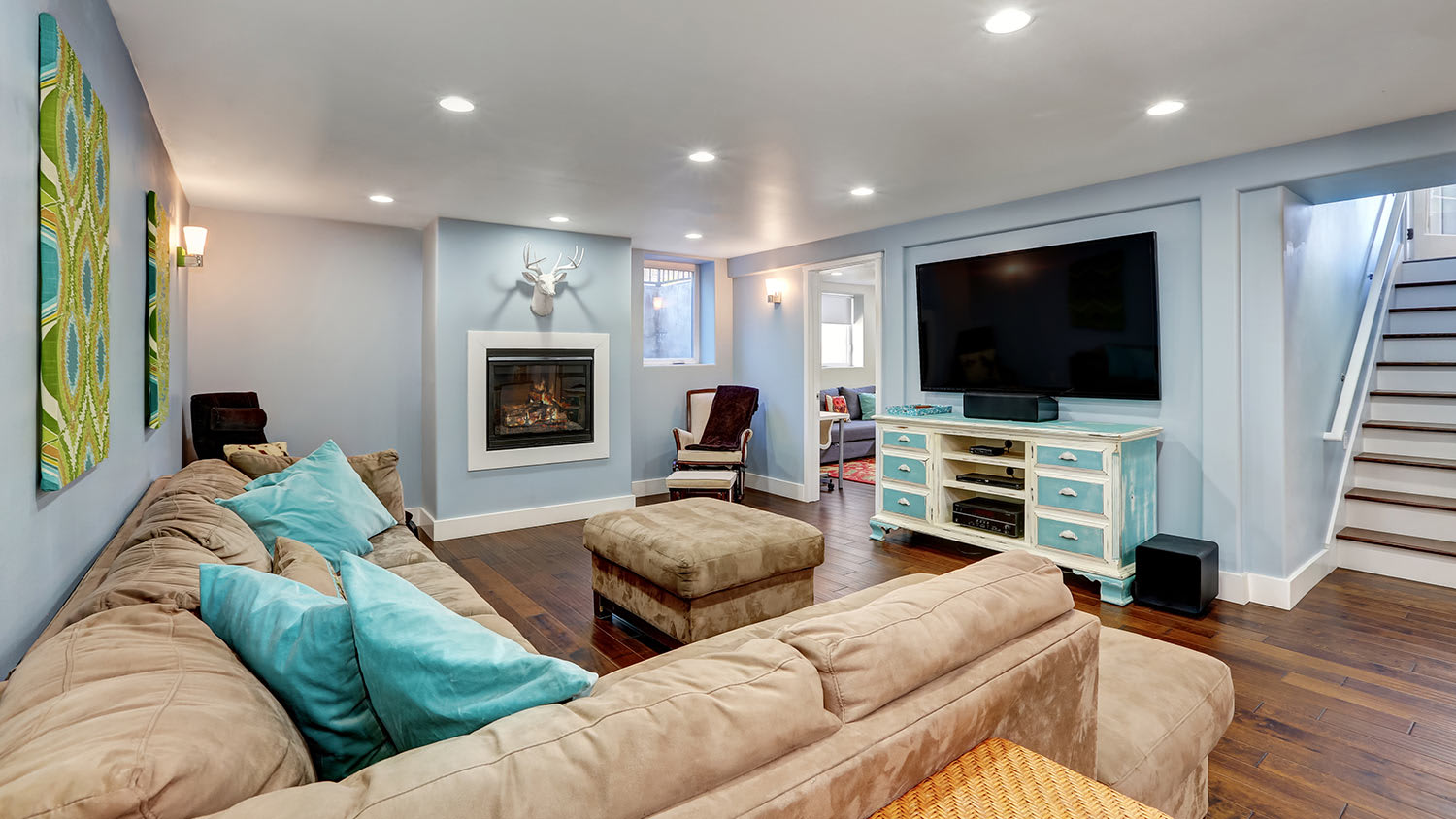
An unfinished basement has a lot of potential for a family room or guest suite. So how much does it cost to finish a basement? Read on for all cost factors.
A variety of factors can affect your total crawl space encapsulation cost. Here’s a breakdown of the cost of this project, whether you hire a pro or DIY.
Waterproofing your basement is important to protect your home. Follow these tips to ensure that you hire the right waterproofing contractor for the job.
Dealing with a damp basement? Follow these steps for DIY basement waterproofing to keep water and moisture out and boost your home’s energy efficiency.