




Top-rated excavation pros.

Best excavation pros near Boyle, MS

Enter your zip and get matched with up to 5 pros

Need a pro for your excavation project in Boyle, MS?

Select your specific project to find the pro for you.

Top-Rated Excavation pros in Boyle - Updated Nov 2026

Cow Creek Construction
5.0(
2
)
Building Site - Preparation and ClearingBuilding Site - Preparation and Clearing - For BusinessExcavation - Major Grading or Resloping+2 more

Serving Boyle, MS and surrounding areas

Free estimates

Emergency services offered

Credit card accepted

"I needed about 20 acres cleared to turn into pasture land. They came out back in February 2022, did an absolute amazing job for a great price. Will most definitely recommend them to everyone!"
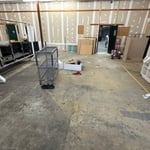
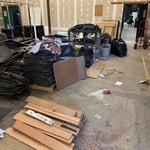
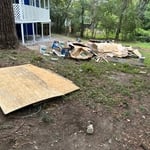
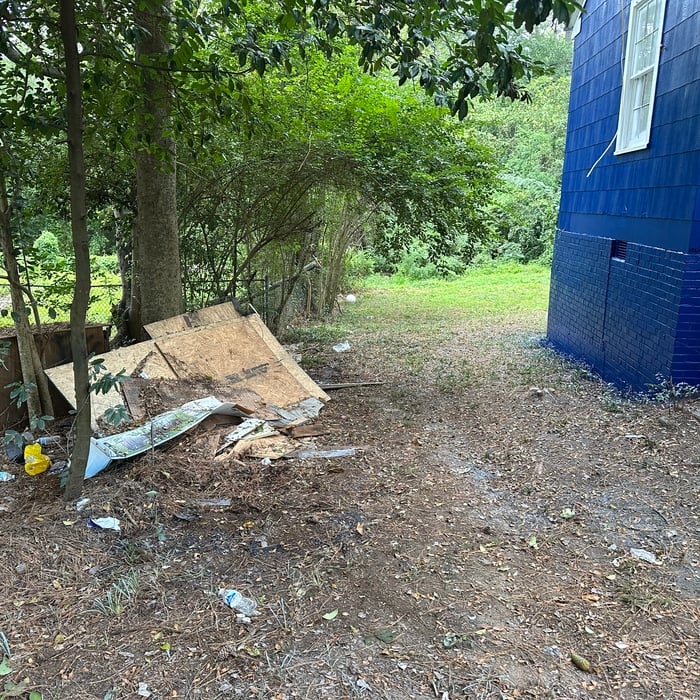
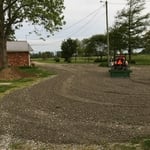
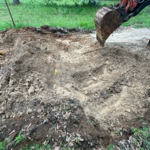
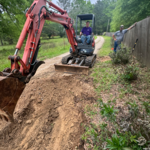
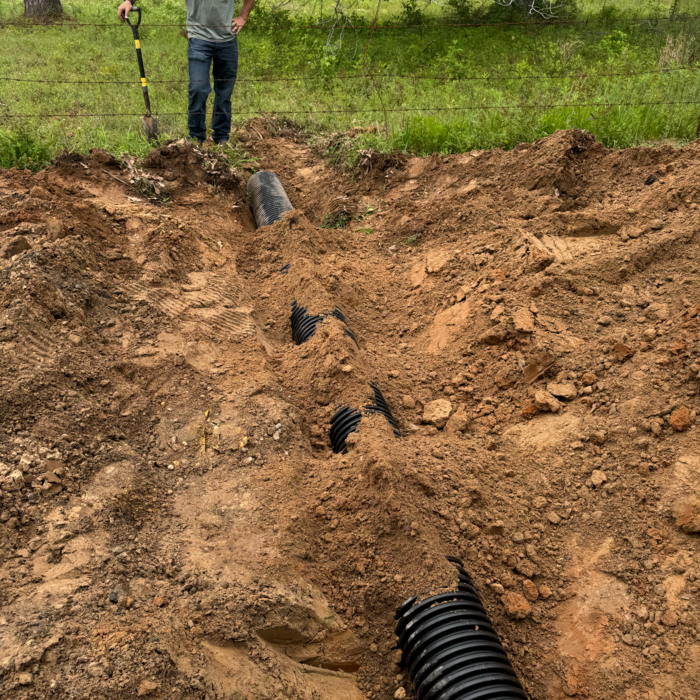
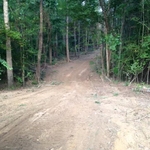
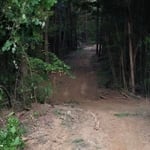
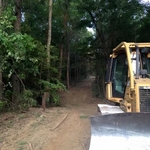
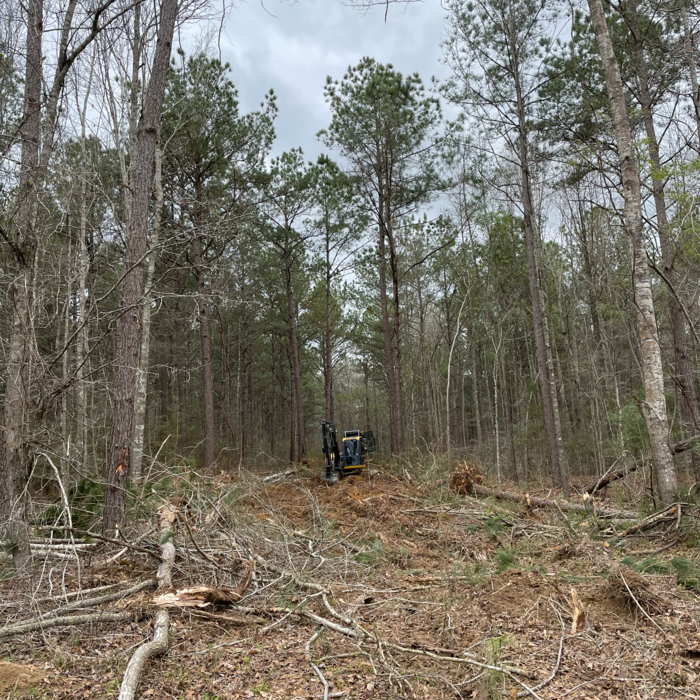
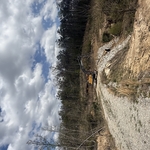
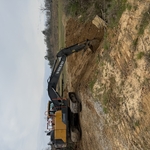
Excavating Project
Excavating Project
Excavating Project
Excavating Project
Additional Photos

+4

Recommended by100%of homeowners
Overby Dozer and Land Service
New to Angi
Building Site - Preparation and ClearingBuilding Site - Preparation and Clearing - For BusinessExcavation - Major Grading or Resloping+1 more

Serving Boyle, MS and surrounding areas

In business since 2020

Free estimates

Credit card accepted

With several years experience, we work hard to bring each customer the best possible service and quality available. We look forward to working with you on your next project. We welcome your questions and thank you for your interest. \n

Response time8 hrs
Response rate100%
Delta Dirt & Spray Foam
New to Angi
Building Site - Preparation and ClearingExcavation - Major Grading or Resloping

Serving Boyle, MS and surrounding areas

We handle your project from start to finish:\n • Land clearing & brush removal\n • Excavation & site prep\n • Grading & leveling\n • Pond building & pond expansion\n • Driveways, pads & trenching\nCulverts and water control \nReliable equipment. Clean results. On-time service.�📞 Call/Text: 662-897-5610�📍 Serving Mississippi

Culvert installation
Showing 1-10 of 28
Excavating FAQs, answered by experts

If you have a broken sprinkler pipe underground, there will be some signs you can easily spot to locate it and take action. These include leaks, water spouts, flooding, consistently damp areas on your lawn, low water pressure, and grass around the sprinkler head that’s taller and darker than anywhere else in the yard. 

If there are no obvious signs of a broken pipe, you can use tools such as water leak mics, leak noise loggers, audio devices that record leaks, and acoustic testing links. 

Broken pipes can lead to uneven watering, plant damage, and higher utility bills. The longer you wait to fix them the more the repair cost may be.

Sewer lines can be buried anywhere from 18 inches to 8 feet deep, with a common average depth between 18 and 30 inches. The exact depth depends on local factors like climate and soil type. In colder regions, pipes must be buried deeper (below the frost line) to prevent freezing, sometimes as deep as 8 feet. The digging depth can also impact the cost of sewer line replacement. To find the specific depth for your property, you can check the building plans for your system, which should be on file with your city or local sanitation department since permits are required for installation.

Trenching is a specific kind of digging. Trenching means digging a depression in the earth that’s deeper than it is wide, often with heavy machinery. Digging refers to any kind of removal of earth in order to create a human-made depression, hole, or cut in the earth’s surface. You can dig with big tools or even with just a hand shovel.

Yes, chipmunk holes may have two or more entrances. Chipmunks can create an entire network of burrows. Having multiple entrances makes it easier for them when trying to escape from a predator, such as a snake, or if an entrance collapses due to flooding. Each entrance leads to the nesting chamber underground, which is where the chipmunk spends the majority of its time sleeping.

Septic drain lines (or leach lines) are typically buried between 18 and 36 inches underground, and should be at least 6 inches below the surface. These pipes are perforated and surrounded by filtering materials like sand or gravel. Burying the lines at this depth helps minimize odors and allows bacteria and other biological processes in the soil to effectively treat the wastewater. Burying lines too close to the surface can cause issues unless the soil is very compact and stable.

The Boyle, MS homeowners’ guide to excavation services

From average costs to expert advice, get all the answers you need to get your job done.